


Why Quality Is Important for Business Success
What Is Quality in Business?
Quality in business means providing products or services that meet customer needs and expectations. A quality product should work well, look good, and provide value. A quality service should be helpful, reliable, and easy to use. Quality is not only about making an expensive product.
It is about doing the right things and giving customers a good experience. Think about a restaurant. Customers do not only judge the food. They also notice the service, cleanliness, waiting time, and staff behavior. All these things become part of quality.For this reason, quality should be a basic part of daily business operations.
Quality Means Meeting Customer Needs
Customers buy products and services because they have a need or problem. They expect the business to solve that problem. If a company understands those needs, it can provide better quality. For example, a customer buying a mobile phone may want good battery life, a strong camera, and reliable performance. If the phone provides these things, the customer may consider it a quality product.
Businesses should not simply guess what customers want. They should listen to customer reviews, questions, complaints, and suggestions. This information can help a business improve its products and services. Customer needs can also change over time. A product that was useful five years ago may not satisfy customers today. Good businesses keep learning and changing.
Why Quality Matters in Business
Quality matters because it affects almost every part of a business. It can influence customer satisfaction, reputation, sales, costs, and growth. When customers receive a good product, they are more likely to trust the company. When they receive poor quality, they may look for another business. A single bad experience can also affect how people talk about a brand.
In today’s digital world, customers can share their opinions online very quickly. This makes quality even more important. A business cannot depend only on advertising to build a strong image. Its actual products and services must support its promises. Quality also helps a company reduce errors and waste. Fewer errors can mean fewer refunds, complaints, repairs, and replacements. This can save money over time.

Quality Builds Customer Trust
Customer trust is one of the most valuable assets of any business. People want to buy from companies they believe will deliver what they promise. Quality helps create this belief. When a company provides reliable products again and again, customers begin to feel confident. They know what they can expect from the business. This confidence can lead to repeat purchases.
Trust can take years to build, but it can disappear after a few poor experiences. Imagine ordering the same product from an online store several times. If every order arrives on time and the product matches the description, you will probably trust that store. If one order is completely different from the description, your trust may fall. This simple example shows why consistent quality matters.
Quality Improves Customer Satisfaction
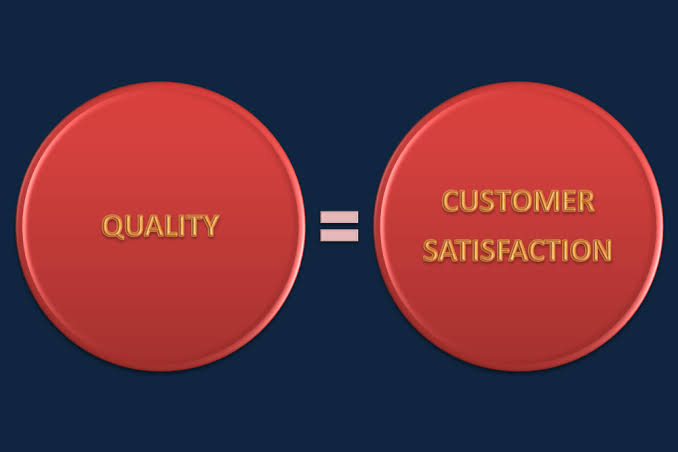
Customer satisfaction is closely connected with quality. When customers receive what they expected, they are more likely to feel satisfied. When a product works properly and a service is easy to use, the customer has less reason to complain. Satisfaction can also make customers more willing to return.
A satisfied customer may become a regular customer. For example, people often return to the same shop because they know the products are reliable and the service is good. Businesses should therefore look at the full customer experience. Quality does not stop when a product is sold. Customer support, delivery, communication, and after-sales service also matter.
A company can have a great product but still lose customers because its support team is slow or unhelpful. Every customer interaction can affect satisfaction. Businesses should make these interactions simple and respectful. When customers feel valued, they are more likely to have a positive opinion of the brand.
Quality Helps Build a Strong Brand
A strong brand is not created only by a logo, color, or slogan. A brand is also built through customer experiences. Quality gives customers a reason to remember and trust a company. When a business regularly delivers good products and services, people start to connect the brand with reliability. This can make the business easier to recognize in a crowded market.
Consider two companies selling similar products. One company offers cheap products but often receives complaints. The other offers dependable products and provides helpful support. Many customers may choose the second company even if its price is slightly higher. This happens because people often consider value, not just price. Quality can therefore become a major part of a brand’s identity. A business that wants a strong brand should make quality a daily priority. Every employee should understand the company’s quality standards. Every product should meet those standards. Every customer should receive respectful service. Over time, these actions can create a positive brand image.
Quality Creates a Good Reputation
Business reputation can have a major effect on future sales. People often search for reviews and opinions before buying something. A company with a good reputation may find it easier to attract new customers. Quality plays an important role in creating that reputation. When people have good experiences, they may leave positive reviews or recommend the business.
When they have poor experiences, they may share complaints. This means every customer experience can influence the public image of a business. Companies should take complaints seriously. A complaint can show where quality needs to improve. Instead of becoming defensive, a business can listen and solve the problem. This can sometimes turn an unhappy customer into a loyal one. A strong reputation does not happen overnight. It comes from many small positive experiences. Businesses that focus on quality every day have a better chance of building a reputation that supports long-term success.
Quality Supports Business Growth
Quality can help a business grow in a healthy way. Growth is not only about getting more customers. It is also about keeping existing customers and delivering good service as the business becomes larger. If quality falls when sales increase, customers may become unhappy. This can damage growth. Businesses should create clear quality standards before they expand too quickly. They should train employees and check their work regularly.
They should also use customer feedback to find problems early. Good quality can make expansion easier because customers already trust the business. A trusted business can have a stronger foundation for entering new markets. Quality can also help companies develop new products. When a business understands what customers value, it can create better solutions. Growth should therefore be built on value, trust, and consistency. A company that grows while protecting quality is more likely to create lasting success.
Quality Brings Repeat Customers
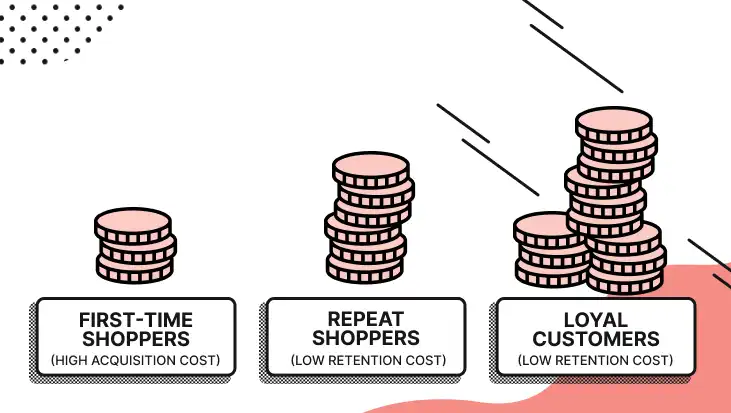
Repeat customers are very important for many businesses. When customers are happy with a product or service, they may buy again. They may also try other products from the same company. Quality gives them a reason to return. Imagine buying a pair of shoes that are comfortable and durable. If you need another pair later, you may remember the same brand. You already know what to expect. This reduces the risk of trying an unknown company.
Businesses can build loyalty by making quality consistent. They should not provide excellent service only when trying to attract a new customer. Existing customers also deserve attention. Good customer service, reliable products, fair policies, and quick support can encourage people to stay. A loyal customer can become one of the strongest supporters of a business.
Quality Creates Word-of-Mouth Marketing
People often share good experiences with friends and family. This is called word-of-mouth marketing. It can be very useful because recommendations often feel more personal than advertisements. If a friend says that a business provides reliable service, you may be more willing to try it. Quality creates the experiences that lead to these recommendations. A customer who is happy with a product has a natural reason to talk about it. Businesses should not try to force customers to recommend them.
Instead, they should give customers a good reason to do so. Great quality, helpful service, and honest communication can create that reason. Online reviews work in a similar way. Positive experiences can lead to positive reviews. Poor experiences can lead to negative reviews. This is why businesses should treat every customer as important.
Quality Reduces Business Costs
Quality can also help control costs. Poor quality often creates hidden expenses. A defective product may need to be repaired or replaced. A service mistake may require extra employee time. A customer complaint may require refunds or compensation. These problems can increase operating costs. Quality control can help prevent many of these issues. It is usually better to prevent a problem than to fix it later. Businesses can check products before delivery. They can train employees properly.
They can create simple processes that reduce mistakes. They can also monitor customer complaints to find repeated problems. These steps can improve efficiency. When work is done correctly the first time, employees spend less time fixing errors. This saves both time and money. Quality is therefore not simply an expense. It can be an investment in better business performance.
Quality Reduces Mistakes and Waste
Every business wants to use its resources wisely. Poor quality can create waste in many forms. Materials may be wasted because of production errors. Time may be wasted because employees have to repeat work. Money may be wasted because products need replacement. Good quality systems can reduce these problems. Employees should understand what needs to be done and how it should be done. Simple checklists and clear instructions can help.
Regular quality checks can also identify problems before they become large. Businesses should not create complicated systems just for the sake of control. The best systems are simple, practical, and easy for employees to follow. When waste decreases, the company can use more of its resources for growth and innovation.
Quality Improves Employee Performance
Quality is not only the responsibility of managers. Employees play a major role in maintaining quality. When workers understand what good quality means, they can make better decisions. Training can help employees develop the skills they need. Clear goals can also help them understand what the business expects. Employees should feel comfortable reporting problems. If workers are afraid to talk about mistakes, small problems can become bigger problems.
Managers should create an environment where employees can learn from errors. Recognition can also motivate employees to maintain high standards. When employees see that their work matters, they may take greater care. A positive workplace can therefore support better quality. The customer may never see the internal process, but they will see the final result.

Quality Helps Beat Competitors
Competition is common in almost every industry. Many businesses sell similar products or services. Price can attract customers, but quality can help keep them. A company that provides better value may stand out from competitors. Quality can become a competitive advantage. This does not mean that a business must always offer the most expensive product. It means the business should give customers a strong reason to choose it. That reason could be durability, reliability, design, service, speed, or convenience.
Businesses should study their competitors and understand what customers like and dislike. They can then improve their own offerings. Quality should be connected to what customers actually value. A company that understands this can compete more effectively.
How to Improve Quality in Business
Improving quality starts with clear standards. A business should decide what good quality looks like. These standards should be simple and easy to understand. Employees should know what customers expect and what the company promises. Businesses should also check their processes regularly. If a process creates repeated mistakes, it needs improvement. Technology can help with tracking, communication, and quality checks, but technology alone cannot solve every problem. People still need to make good decisions. Businesses should also train their employees and update their skills.
Customer feedback should be collected and reviewed. Companies can use complaints as useful information instead of seeing them only as negative events. Small improvements made regularly can create major results over time. Quality is like building a strong wall. Each good process is another brick. When these bricks are placed correctly, the whole business becomes stronger.
Listen to Customer Feedback
Customer feedback is one of the easiest ways to understand quality. Customers can tell a business what works and what does not. Reviews, surveys, emails, social media comments, and direct conversations can all provide useful information. Businesses should look for repeated complaints and common suggestions. One complaint may be unusual, but many similar complaints can show a real problem. The company should respond to feedback in a professional way. It should not promise changes that it cannot make.
Instead, it should focus on practical improvements. Customers appreciate businesses that listen. They also notice when their feedback leads to real changes. Listening to customers can therefore improve both quality and relationships. A business that keeps learning from customers can continue improving its products and services.

Conclusion:
Quality matters in business because it builds trust, improves customer satisfaction, reduces waste, and supports long-term growth. A business can have a great idea, a strong marketing campaign, and a good price, but poor quality can still drive customers away. Quality should be part of every stage of business, from product design to customer service. It should also be consistent because customers want to know what they can expect. Businesses that listen to customers, train employees, reduce mistakes, and improve their processes can create stronger results.
Quality is not something that happens by chance. It comes from daily effort and careful decisions. When a business makes quality a priority, customers have more reasons to trust it and return. In a competitive market, that trust can become one of the most valuable advantages a business can have.
FAQs:
1. Why does quality matter in business?
Quality matters because it helps businesses satisfy customers and build trust. Good quality can also reduce mistakes, complaints, waste, and unnecessary costs. It can help a business create loyal customers and build a strong reputation.
2. How does quality affect customer satisfaction?
Customers are usually more satisfied when a product or service meets their expectations. Reliable products, helpful service, clear communication, and good support can create a better customer experience. This can encourage customers to buy again.
3. Can quality help a small business grow?
Yes. Small businesses can use quality to build trust and attract repeat customers. Happy customers may also recommend the business to others. A good reputation can help a small business compete with larger companies.
4. How can a business improve quality?
A business can improve quality by setting clear standards, training employees, checking processes, reducing mistakes, and listening to customer feedback. Regular improvement is important because customer needs can change over time.
5. Is quality more important than price?
Price and quality both matter, but customers often want good value rather than simply the lowest price. A low price may attract a customer once, but reliable quality can give them a reason to return. Businesses should find a balance between price, quality, and customer needs.