


Why Trust Matters in Business
Introduction:
Brand reputation is one of the most important parts of a successful business. It is the way people think and feel about a brand. A good reputation can help a business attract new customers. It can also help keep old customers for a long time. A bad reputation can create many problems. Customers may stop buying from the business. They may also tell other people about their bad experience.
Today, customers have many choices. They can compare products and services in a few minutes. They can read online reviews. They can check social media pages. They can ask friends for advice. Because of this, businesses must work hard to build trust.
A strong brand reputation does not happen in one day. It takes time and effort. A business must offer good products, provide good service,
What Is Brand Reputation?
Brand reputation is the public opinion about a company or brand. It shows how customers, employees, partners, and other people see the business. A brand with a good reputation is usually seen as honest, reliable, and helpful.
For example, imagine two companies sell similar products. One company has many positive reviews. Customers say the products are good and the service is friendly. The other company has many negative reviews. Customers complain about poor quality and slow support.
Most people would choose the first company. This simple example shows why brand reputation and customer trust are closely connected.A good reputation makes customers feel safe. They believe the business will keep its promises. They also feel more comfortable spending their money.

Why Brand Reputation Is Important
Brand reputation is important because customers often buy from businesses they trust. A customer may not know everything about a product. They may not understand every technical detail. Instead, they may look at the reputation of the brand before making a decision.A strong reputation can make this decision easier. Customers may choose a trusted brand even when another company offers a lower price.
A good reputation can also help a business grow. Happy customers often return. They may also recommend the business to friends and family. This can bring new customers without spending a lot of money on advertising.
A poor reputation can have the opposite effect. Customers may avoid the brand. Negative reviews can spread quickly. One bad experience can reach many people through social media.This is why every business should take its reputation seriously.
The Connection Between Brand Reputation and Customers
Customers are at the center of every business. Without customers, a business cannot survive. The way a company treats its customers can strongly affect its reputation.When customers receive good service, they feel valued. They are more likely to trust the brand. They may also share their positive experience with others.
For example, a customer may have a problem with a product. If the company listens carefully and solves the problem quickly, the customer may still have a positive opinion. The problem itself may not damage the reputation. The way the company handles the problem can make a big difference.This shows that customer service is a key part of brand reputation.

Good Customer Service Builds Trust
Good customer service can create strong relationships with customers. Customers want to feel heard and respected. They do not want to feel like just another number.A business should answer customer questions clearly. It should respond to complaints politely. It should try to solve problems as quickly as possible.
Small actions can have a big impact. A friendly message can make a customer feel important. A quick solution can turn an unhappy customer into a loyal customer.Businesses should also train their employees. Employees are often the face of the brand. Their behavior can affect how customers see the entire company.
Product Quality Matters
A strong brand reputation needs good products or services. Customers expect to receive what they paid for. If a business makes promises but does not deliver, trust can disappear.Product quality does not always mean the product must be perfect. It means the product should provide the value that the business promises.
For example, if a company says its product is strong and long-lasting, the product should meet that promise. If it fails quickly, customers may feel disappointed.Businesses should focus on quality from the beginning. They should listen to customer feedback. They should improve their products when needed.

Honest Communication With Customers
Honesty is one of the strongest foundations of a good reputation. Customers do not expect every business to be perfect. They do expect businesses to be honest.If a company makes a mistake, it should accept responsibility. It should explain what happened. It should tell customers how it plans to fix the problem.
Trying to hide a mistake can make things worse. Customers may lose trust if they discover the truth later.Clear communication is also important during delays or problems. If an order is late, the company should tell the customer. If a service is temporarily unavailable, the business should provide clear information.
Online Reviews and Brand Reputation
Online reviews have become an important part of customer decisions. Many people read reviews before buying a product or using a service.Positive reviews can increase trust. They show potential customers that other people had a good experience.
Negative reviews can also affect a business. However, every negative review does not mean the business is bad. Sometimes mistakes happen. What matters is how the business responds.
A company should not attack customers who leave negative reviews. Instead, it should respond politely. It should try to understand the problem and offer a solution when possible.

Social Media and Customer Trust
Social media has changed the way businesses communicate with customers. Customers can now talk directly to brands through platforms such as Facebook, Instagram, and other social networks.This creates a great opportunity for businesses. They can share useful information. They can answer questions. They can show their products. They can build a community around their brand.
Businesses should use social media carefully. They should communicate in a friendly and professional way. They should avoid making false claims. They should also respond to customer questions when possible.A strong social media presence can help create a positive brand image.
How to Handle Angry Customers
Every business will face an unhappy customer at some point. This is normal. The important thing is how the business responds.The first step is to listen. Do not immediately argue with the customer. Let the customer explain the problem.
The next step is to show understanding. A simple statement such as “We understand your concern” can help calm the situation.Then, try to find a solution. The solution may be a replacement, refund, correction, or explanation.
Businesses should remember that an angry customer may become a loyal customer if the problem is handled well. Good problem-solving can sometimes create more trust than a perfect transaction.
Customer Feedback Can Improve a Brand
Customer feedback is a valuable source of information. Customers can show businesses what is working and what needs improvement.A business should ask customers for feedback. It can use surveys, reviews, emails, or social media comments.Not every suggestion can be followed. However, every suggestion can be considered.
When businesses listen to feedback, customers feel respected. They feel that their opinions matter.Feedback can also help businesses find problems early. A small problem can be fixed before it becomes a large problem.This makes customer feedback an important tool for protecting brand reputation.
Brand Reputation and Customer Loyalty
A good reputation can create customer loyalty. Loyal customers do not only buy once. They return again and again.Customer loyalty is valuable for every business. Loyal customers already know the brand. They understand its products and services. They may also trust the company more than competitors.
Loyal customers can become brand supporters. They may recommend the business to friends. They may post positive reviews. They may share products on social media.To build loyalty, businesses must provide consistent value. They should not offer great service today and poor service tomorrow.Consistency builds trust. Trust builds customer loyalty. Loyalty supports long-term growth.
How Businesses Can Protect Their Reputation
Businesses should take simple steps to protect their reputation. They should always focus on customer needs.They should keep their promises. They should provide good products. They should respond to complaints. They should communicate clearly.
Businesses should also monitor what people are saying about them online. This can help them find problems early.Employees should understand the company’s values. Everyone who works with customers should know how to communicate respectfully.
A business should also have a plan for handling serious problems. When a crisis happens, quick and honest communication can help reduce damage.The goal is not to avoid every mistake. The goal is to handle mistakes in a responsible way.
The Role of Trust in Buying Decisions
Trust plays a major role in customer decisions. People want to know that their money is safe. They also want to know that the business will support them if something goes wrong.A trusted brand can make customers feel confident. This is especially important when customers are buying expensive products or services.
For example, a person may spend more money with a trusted company because they believe the quality will be better. They may also believe that customer support will be available when needed.This is why businesses should see trust as a long-term asset. It may not appear on a balance sheet, but it can have a major effect on business success.
Brand Reputation Takes Time to Build
Building a strong reputation takes time. A business cannot create trust overnight.Every customer interaction adds something to the brand reputation. A helpful phone call adds trust. A good product adds trust. A quick solution adds trust.
At the same time, poor service can reduce trust. Broken promises can damage the brand. Repeated problems can create a negative image.This means reputation should be managed every day. Businesses should not wait until a problem becomes serious.
A good reputation is like a garden. It needs regular care. If a business takes care of its customers, the reputation can grow stronger over time.
The Importance of Keeping Promises
Promises are powerful in business. When a brand makes a promise, customers expect the company to keep it.A business should avoid making promises it cannot fulfill. It is better to make a small promise and keep it than to make a big promise and fail.
For example, if a company promises fast delivery, it should have a system that supports fast delivery. If it promises easy returns, the return process should actually be easy.Keeping promises shows reliability. Reliability creates trust. Trust creates a strong relationship between the brand and the customer.
How Small Businesses Can Build a Strong Reputation
Small businesses may not have large marketing budgets. However, they can still build a strong reputation.They can focus on personal customer service. They can answer questions quickly. They can remember regular customers. They can provide honest advice.Small businesses can also ask happy customers to leave reviews. Positive word-of-mouth can be very powerful.
The key is to focus on the customer experience. A small business that treats customers well can compete with much larger companies.Customers often remember how a business made them feel. A friendly experience can create a lasting connection.
The Long-Term Value of a Good Reputation
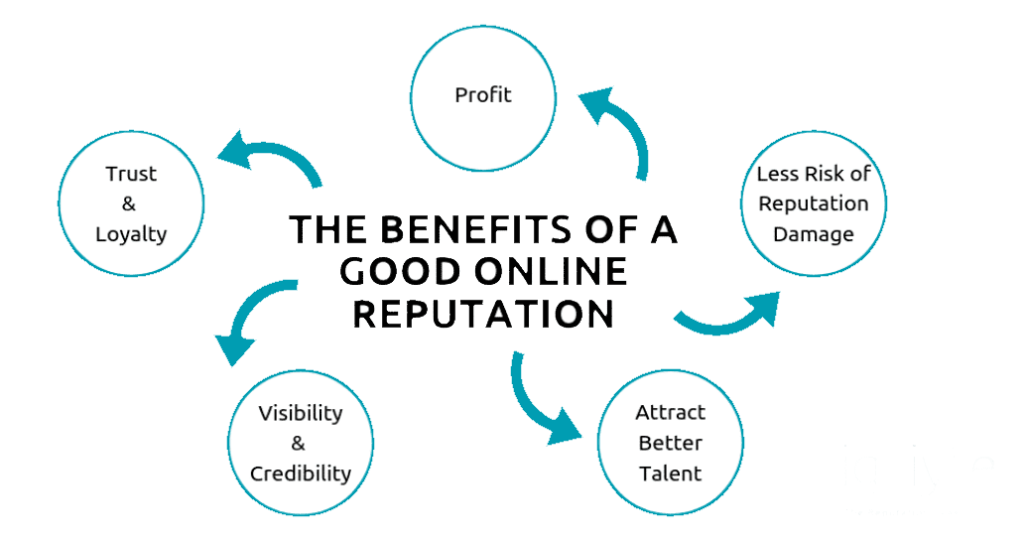
A strong brand reputation can create long-term business value. It can help a company attract customers and keep them.
It can also make marketing easier. People are more likely to listen to a brand they already trust.A good reputation can help a business during difficult times. If a trusted company makes a mistake, customers may be more willing to give it another chance.
A poor reputation can make every business challenge harder. Customers may leave quickly. Employees may also feel less proud of the company.For this reason, reputation should be treated as a long-term business investment.
Conclusion:
Brand reputation and customer relationships are deeply connected. A business with a good reputation can build trust, attract customers, and create long-term loyalty. A business with a poor reputation may struggle to keep customers, even if its products are good.
The best way to build a strong reputation is simple. Treat customers with respect. Offer good products and services. Keep your promises. Listen to feedback. Answer questions. Handle complaints with care. Be honest when mistakes happen.
Every customer interaction is an opportunity to build trust. One good experience can create a loyal customer. One bad experience can affect many potential customers through online reviews and social media.
FAQs:
1. What is brand reputation?
Brand reputation is the way customers and the public think about a company. It is based on customer experiences, product quality, service, reviews, communication, and business behavior.
2. Why is brand reputation important for customers?
Brand reputation helps customers decide whether they can trust a business. A good reputation can make customers feel more confident when buying products or services.
3. How does customer service affect brand reputation?
Good customer service can create trust and loyalty. Poor service can create negative experiences and damage the reputation of a brand.
4. Can negative reviews damage a brand?
Yes, negative reviews can affect customer trust. However, a professional response and a good solution can help reduce the damage and show that the business cares.
5. How can a business improve its brand reputation?
A business can improve its reputation by offering quality products, keeping promises, communicating honestly, providing excellent customer service, responding to feedback, and solving customer problems quickly.