


What Is Competitive Intelligence?
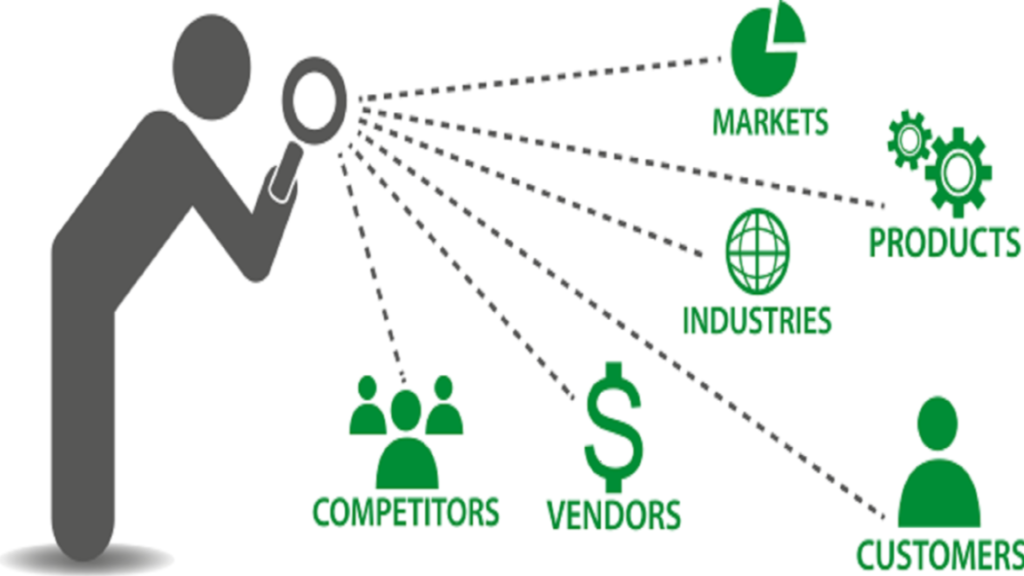
Competitive intelligence is the process of collecting and studying information about competitors, customers, markets, and industry changes. The goal is to help a business make better decisions and stay ahead of competitors. It is not simply about watching what another company does. It is about understanding what competitors are doing, why they are doing it, and what those actions could mean for your business. Current business guidance describes competitive intelligence as an ongoing activity that turns outside information into useful decisions.
For example, a company may study a competitor’s prices, products, advertisements, customer reviews, website, social media activity, and new services. This information can help the company find weaknesses in its own business and discover new opportunities. Competitive intelligence should use legal and ethical sources, such as public websites, industry reports, customer feedback, and published company information.
Why Competitive Intelligence Is Important
Business markets can change quickly. A competitor may launch a new product, reduce prices, improve customer service, or enter a new market. If a business does not notice these changes, it may lose customers and sales.
Competitive intelligence helps businesses reduce uncertainty and prepare for change. Instead of waiting for a problem to happen, managers can watch market signals and make plans early. Research and current business guides also highlight its role in identifying opportunities, threats, market changes, and areas for improvement.
Think of competitive intelligence like a business radar. A radar helps a ship see what is ahead before it reaches danger. In the same way, competitive intelligence helps a company understand what is happening around it before those changes become serious problems.

What Information Do Businesses Study?
Businesses can collect many types of competitive information. Pricing is one important area. A company can compare competitor prices, discounts, packages, and special offers.
Products and services are another important area. Businesses can study new features, product launches, service quality, and customer complaints. Customer reviews can be especially useful because they show what people like and dislike about competing products.
Companies can also study marketing and branding. They may look at competitor websites, advertisements, social media posts, email campaigns, and search business strategies. Job advertisements and public company announcements can sometimes provide useful signals about future business priorities.
How Competitive Intelligence Helps Business Growth
One major benefit of competitive intelligence is better decision-making. When managers have useful information, they can make decisions based on evidence instead of guesses. This can improve decisions about products, prices, marketing, sales, and business expansion.
Competitive intelligence can also help a business find market gaps. Suppose several competitors sell expensive products, but customers want affordable options. This could create an opportunity for a business to offer a lower-cost product with good quality.
It can also improve customer relationships. By studying competitor reviews and complaints, a company can learn what customers expect. The business can then improve its own service and give customers a better experience.

Competitive Intelligence and Small Businesses
Competitive intelligence is not only for large companies. Small businesses can use simple methods to understand their competitors. A small business owner can regularly check competitor websites, social media pages, prices, customer reviews, and new products.
The important point is to focus on useful information, not collect information just for the sake of collecting it. A long list of competitor facts is not helpful unless it supports a business decision. Good competitive intelligence turns information into practical action.
For example, a small clothing store may notice that competitors are offering free delivery. The owner can study whether customers value this service and decide whether free delivery, a smaller delivery fee, or another benefit would make the business more competitive.
Ethical Competitive Intelligence
Competitive intelligence must always be legal and ethical. Businesses should use public and properly obtained information. They should not steal confidential documents, break into accounts, pretend to be someone else to obtain private information, or use illegal methods.
Ethical research also builds trust. A company can learn a great deal from public information without crossing professional boundaries. The purpose is to understand the market better, not to conduct industrial espionage.

Competitive Intelligence vs. Business Intelligence
Competitive intelligence and business intelligence are related, but they are not the same. Business intelligence mainly examines a company’s internal information, such as sales, costs, customer data, and performance. Competitive intelligence focuses more on the external environment, including competitors and market changes.
Both are useful. Business intelligence tells a company how it is performing, while competitive intelligence helps explain what is happening around the company and how competitors may affect its future.
Simple Steps to Use Competitive Intelligence
A business can begin with a simple process:
- Identify competitors that directly or indirectly affect the business.
- Choose important information such as prices, products, marketing, and customer reviews.
- Collect information ethically from reliable public sources.
- Compare the information with your own business performance.
- Find opportunities and threats in the market.
- Take action based on the most useful findings.
- Continue monitoring because competitors and markets keep changing.
Competitive intelligence works best when it is continuous rather than treated as a one-time report.
Conclusion:
Competitive intelligence in business helps companies understand competitors, customers, and market changes. It gives businesses a clearer picture of what is happening outside their organization and helps them make smarter decisions. From pricing and product development to marketing and customer service, competitive intelligence can support many areas of business.
A company does not need expensive systems to begin. It can start by carefully observing competitors, studying customer feedback, following market trends, and turning useful information into action. In a competitive market, knowledge can become a powerful advantage. A business that watches the market carefully is more prepared to face challenges, find opportunities, and build long-term growth.
FAQs:
1. What is competitive intelligence in business?
Competitive intelligence is the process of collecting and analyzing information about competitors, markets, customers, and industry changes to support better business decisions.
2. Why is competitive intelligence important?
It helps businesses understand competitors, identify opportunities, recognize threats, improve products, and make more informed decisions.
3. Is competitive intelligence legal?
Yes. Ethical competitive intelligence uses publicly available and properly obtained information. It should never involve stealing confidential information or using deceptive methods.
4. Can small businesses use competitive intelligence?
Yes. Small businesses can study competitor websites, prices, social media, customer reviews, products, and marketing without needing expensive tools.
5. What is the main goal of competitive intelligence?
The main goal is to turn external information into useful insights that help a business compete more effectively and make better decisions.