


1. The Role of Strategic Planning in Business Growth Policies
Strategic planning is the backbone of any growth policy. It defines where a business wants to go and how it plans to get there. Without a clear business roadmap, growth becomes inconsistent and reactive rather than intentional.
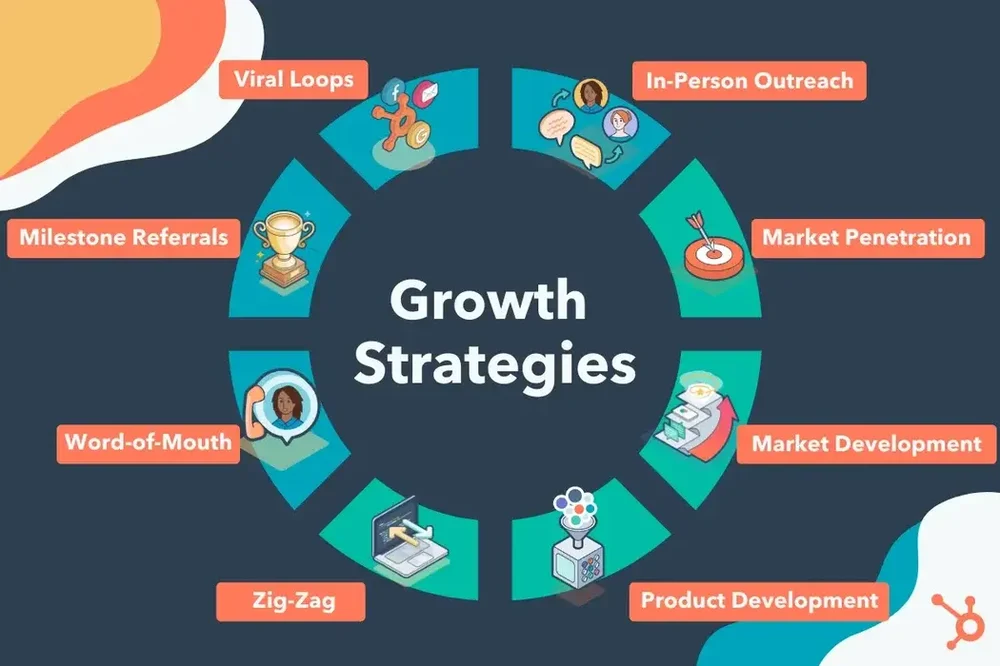
2. Market Expansion as a Growth Policy
Expanding into new markets—whether local or international—is a common growth strategy. Businesses must evaluate demand, competition, and cultural differences before entering new territories.
3. Innovation-Driven Growth Policies
Innovation helps businesses stay competitive and relevant. Companies that invest in research and development often create unique products that drive long-term growth.

4. Financial Management in Growth Strategies
Effective financial planning ensures that growth is sustainable. This includes budgeting, forecasting, and managing cash flow to support expansion without risking stability.
5. Customer-Centric Growth Policies
Focusing on customer needs and satisfaction leads to stronger loyalty and repeat business. Growth policies often include improving customer experience and engagement.
6. Digital Transformation for Business Growth
Adopting digital tools and technologies can significantly boost efficiency and reach. Businesses leverage automation, AI, and online platforms to scale faster.

7. Human Resource Development and Growth
Employees play a crucial role in business expansion. Training, leadership development, and a positive work culture contribute directly to growth success.
8. Partnerships and Strategic Alliances
Collaborating with other businesses can open new opportunities. Partnerships help companies access new markets, technologies, and customer bases.
9. Risk Management in Growth Policies
Growth always involves uncertainty. Identifying potential risks and creating contingency plans helps businesses navigate challenges effectively.
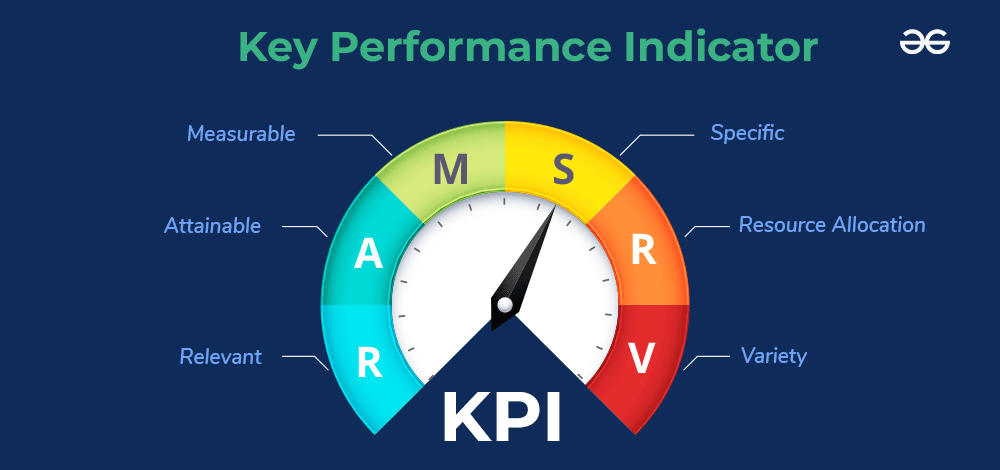
10. Measuring Success Through KPIs
Key Performance Indicators (KPIs) help track growth progress. Metrics like revenue growth, customer acquisition, and market share provide valuable insights for decision-making.
Conclusion:
Business growth policies are the foundation that turns ambition into structured, sustainable progress. They provide clarity, direction, and a framework that helps organizations expand without losing control or focus. Instead of relying on guesswork, businesses with strong growth policies make informed decisions based on strategy, data, and long-term vision.
What really sets successful companies apart is not just their desire to grow, but how deliberately they approach that growth. From choosing between organic and inorganic strategies to investing in people, technology, and innovation, every decision plays a role in shaping outcomes.
FAQs:
1. What are business growth policies?
Business growth policies are structured strategies and guidelines that organizations use to expand their operations, increase revenue, and improve market presence. They outline how a business plans to grow while managing resources, risks, and opportunities effectively.
2. Why are business growth policies important?
They provide direction and consistency in decision-making. Without clear growth policies, businesses may expand in an unorganized way, leading to inefficiencies, financial risks, and missed opportunities.
3. What are the main types of business growth policies?
The two primary types are organic growth (internal expansion through sales, marketing, and product development) and inorganic growth (external expansion through mergers, acquisitions, and partnerships).
4. How do growth policies help in risk management?
Growth policies include risk assessment and contingency planning, allowing businesses to anticipate challenges and prepare solutions in advance, reducing the likelihood of major losses.
5. What role does technology play in business growth policies?
Technology enables businesses to scale efficiently through automation, data analytics, and digital platforms. It helps improve productivity, customer experience, and decision-making.