


Sustainability in Business:
Introduction to Sustainability in Business
Sustainability in business refers to operating in a way that balances profit, environmental responsibility, and social impact. Companies today are no longer judged only by their financial success but also by how they contribute to society and protect the planet. With increasing awareness of climate change and ethical practices, sustainability has become a core part of modern business strategies.
Environmental Sustainability
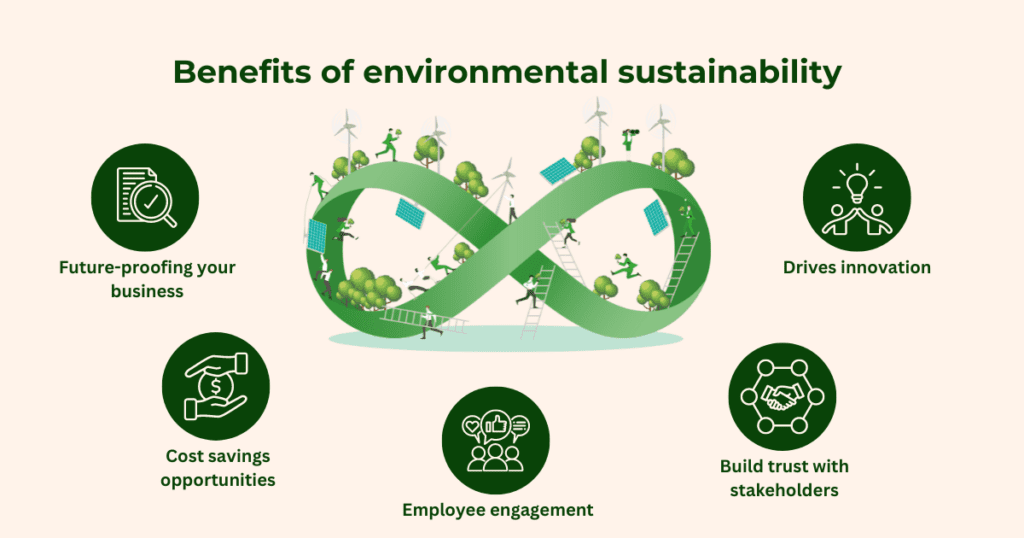
This topic focuses on how businesses reduce their impact on the environment. It includes actions like lowering carbon emissions, minimizing waste, and using renewable energy. Companies are adopting eco-friendly packaging, reducing plastic use, and improving energy efficiency. These efforts not only help the planet but also reduce long-term costs.
Social Responsibility
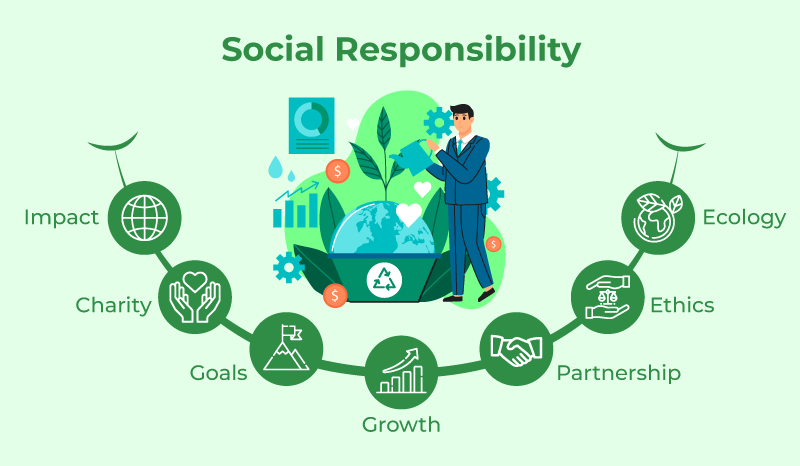
Social sustainability is about treating people fairly and ethically. This includes employees, customers, and communities. Businesses are now focusing on fair wages, safe working conditions, diversity, and inclusion. Supporting local communities and engaging in charitable activities also fall under this category.
Economic Sustainability
Economic sustainability ensures that a business remains profitable while being responsible. It involves long-term planning, ethical investments, and risk management. Companies that focus on sustainability often build stronger customer trust and achieve steady growth over time.
Sustainable Supply Chain
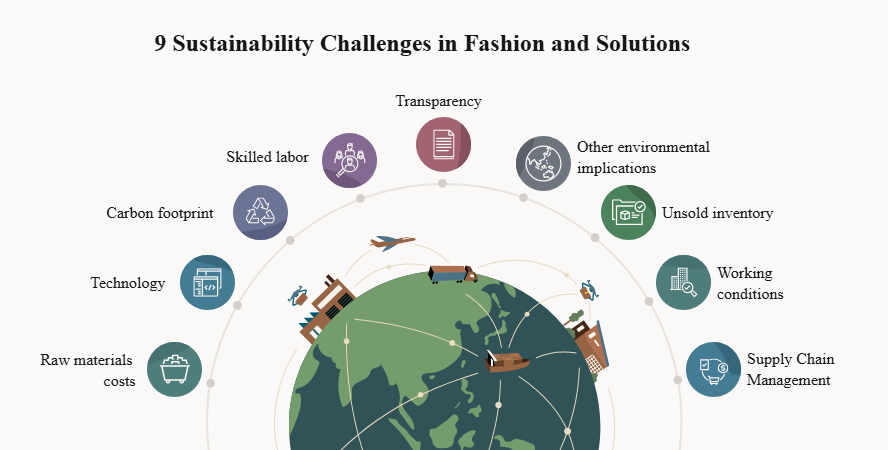
A sustainable supply chain ensures that products are sourced and produced ethically. This means working with suppliers who follow environmental and labor standards. Transparency in sourcing materials is becoming increasingly important as consumers demand accountability.

Green Innovation
Businesses are investing in innovation to create sustainable products and services. This includes renewable energy technologies, biodegradable materials, and energy-efficient systems. Innovation not only supports sustainability but also opens new market opportunities.
Corporate Social Responsibility (CSR)
CSR refers to initiatives taken by companies to give back to society. This includes environmental programs, community development, and ethical business practices. CSR helps improve brand image and strengthens relationships with stakeholders.
Benefits of Sustainability in Business
Adopting sustainability offers several advantages:
- Cost savings through efficient resource use
- Improved brand reputation
- Increased customer loyalty
- Competitive advantage in the market
Challenges of Sustainability
Despite its benefits, businesses face challenges such as high initial costs, lack of awareness, and difficulty measuring impact. However, with proper planning and commitment, these challenges can be overcome.
Future of Sustainable Business
The future of business lies in sustainability. With stricter regulations and growing consumer awareness, companies must adapt to stay relevant. Technology and innovation will continue to drive sustainable practices forward.
FAQs:
1. What is sustainability in business?
It is the practice of operating a business in a way that balances profit with environmental and social responsibility.
2. Why is sustainability important for companies?
It helps improve brand reputation, reduce costs, and meet consumer expectations.
3. What are the three pillars of sustainability?
Environmental, social, and economic sustainability.
4. How can businesses become more sustainable?
By reducing waste, using renewable energy, and adopting ethical practices.
5. What are examples of sustainable practices?
Recycling, energy efficiency, fair labor policies, and eco-friendly products.
Conclusion:
Sustainability in business is no longer optional—it’s essential. By focusing on environmental, social, and economic factors, companies can create long-term value while making a positive impact on the world. Businesses that embrace sustainability today are more likely to succeed in the future.
Explore more on my Patreon.