

Introduction:
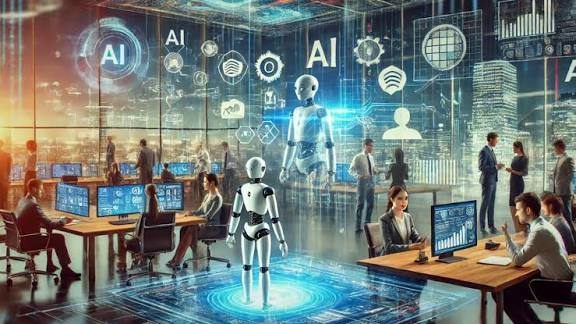
Artificial intelligence, or AI, is becoming one of the most important technologies in modern business. Companies are using AI to save time, understand customers, analyze information, create content, and improve daily operations. What once seemed like a futuristic idea is now becoming a practical business tool. Research shows that AI adoption is continuing to grow, although many companies are still in the early stages of using it.
The future of AI in business will not simply be about using chatbots or generating text. AI is moving toward systems that can understand information, make suggestions, complete tasks, and work with employees. Businesses that learn how to use these tools responsibly may gain better productivity and stronger competition in their markets.
AI Will Become Part of Everyday Business
In the future, AI will become a normal part of many business activities. Employees may use AI to write emails, summarize meetings, study documents, prepare reports, analyze sales information, and answer customer questions. Instead of replacing every worker, AI will often work like a digital assistant that helps people complete their jobs faster.
Current data already shows this movement. A 2026 U.S. Census Bureau analysis found that overall business AI use stayed around 17% to 20% between December 2025 and May 2026, while larger companies were much more likely to use AI. This suggests that adoption is growing, but there is still plenty of room for AI to expand across smaller businesses and different industries.
AI Agents Will Change Business Operations
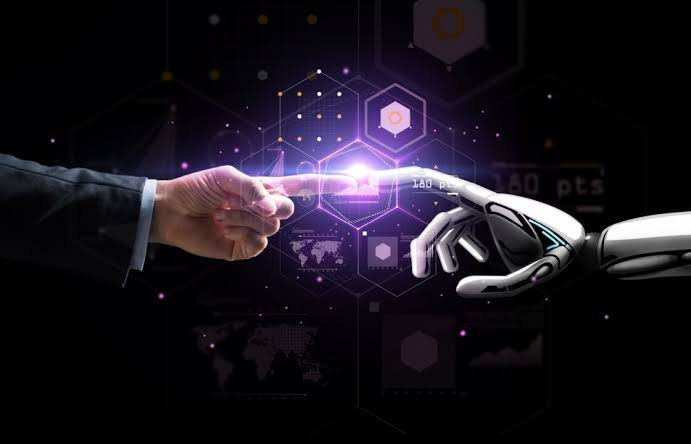
One of the biggest developments will be AI agents. Traditional AI usually gives an answer after receiving a question. AI agents can go further by helping complete a series of tasks.
For example, an AI agent could receive a customer request, check company information, prepare a response, update a record, and send the information to the correct employee. This can reduce repetitive work and allow workers to focus on more important activities.
Deloitte’s 2026 research found that nearly three-quarters of companies expect to deploy agentic AI within two years, although governance is still developing. This means businesses will need clear rules before allowing AI systems to perform important tasks independently.
Better Customer Service
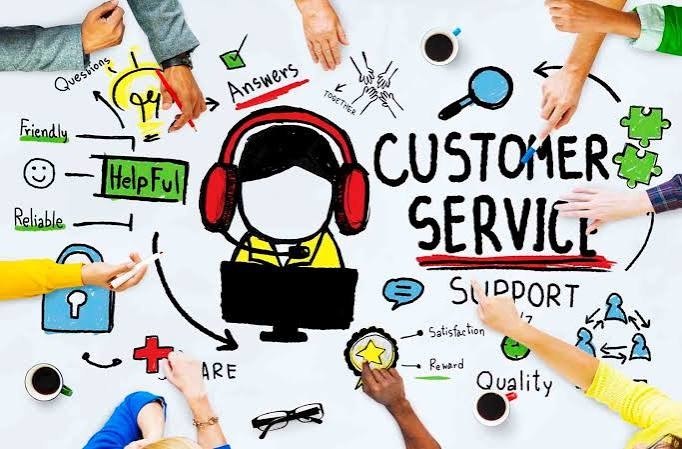
AI will also change the way businesses communicate with customers. AI-powered customer service tools can answer common questions at any time of day. They can help customers find products, understand services, track orders, and solve simple problems.
The future will not necessarily mean removing human customer service. Instead, AI can handle simple questions while human employees deal with complicated or sensitive situations. This combination can create faster service without losing the human connection that customers value.
AI Will Help Small Businesses
AI is not only for large corporations. Small businesses can also use affordable AI tools for marketing, accounting support, customer communication, research, and content creation.
A 2026 Goldman Sachs survey found that 76% of surveyed small businesses were using AI, while 93% of those users reported a positive business impact. This shows why AI could become especially useful for small companies that have limited staff and budgets.
A small business owner may not have a large marketing department, data team, and customer service department. AI can help one person perform many supporting tasks more efficiently.
More Personalized Marketing
The future of AI in business will also bring better personalized marketing. Businesses collect large amounts of information about customer interests, purchases, and behavior. AI can analyze this information and help companies understand what different customers may want.
For example, an online store could use AI to recommend products based on previous purchases. A marketing team could use AI to create different messages for different customer groups. This can make marketing more relevant and reduce wasted effort.

AI Will Improve Business Decisions
Good decisions depend on good information. AI can process large amounts of business data much faster than humans can manually review it. This can help managers identify trends, compare results, forecast demand, and discover possible problems.
However, AI should not automatically make every important decision. Human judgment will remain essential because business decisions often involve ethics, relationships, risk, and situations that data cannot fully explain.
New Skills Will Become Important
As AI changes business, employees will need new skills. Workers will need to understand how to use AI tools, check AI-generated information, protect business data, and communicate effectively with technology.
Deloitte reports that AI skills gaps remain a major barrier to successful integration. Companies that invest in employee training may therefore have an advantage over businesses that simply purchase AI software without teaching their teams how to use it.
AI Will Create New Business Opportunities
AI will not only improve existing businesses. It will also create new products, services, and careers. Entrepreneurs may build companies around AI-powered education, healthcare support, marketing, cybersecurity, finance, design, logistics, and other areas.
The most successful businesses may be those that identify real customer problems and then use AI to solve them. Technology alone is not a business strategy. The real opportunity comes from combining AI, human creativity, customer needs, and strong business planning.
Challenges of AI in Business
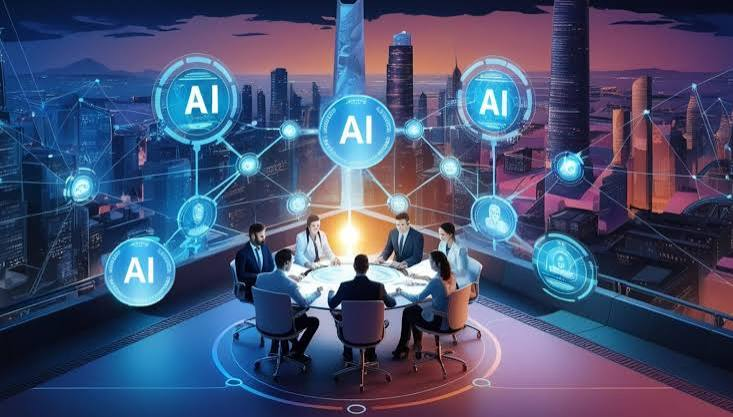
The future of AI also has challenges. Businesses must think about privacy, cybersecurity, incorrect information, employee training, costs, and responsible use.
Data quality is another major problem. SAP’s 2026 research found that incomplete data remains a significant challenge for companies trying to gain value from AI. If a business gives an AI system poor information, the results may also be poor.
Companies should therefore introduce AI carefully. They need clear policies, secure systems, trained employees, and human oversight.
Conclusion:
The future of AI in business looks powerful and full of opportunity. AI will help companies automate repetitive work, improve customer service, analyze information, personalize marketing, and support better decisions. AI agents may take this transformation even further by completing groups of tasks instead of simply answering questions.
At the same time, successful AI adoption will require more than buying new software. Businesses will need good data, skilled employees, strong security, and responsible leadership. The companies that combine artificial intelligence with human creativity and judgment will be in a strong position to compete in the future.
FAQs:
1. What is the future of AI in business?
The future of AI in business includes automation, AI agents, personalized customer service, better data analysis, smarter marketing, and improved decision-making.
2. Will AI replace business employees?
AI may automate some tasks and change certain jobs, but many businesses are using it to support employees and improve productivity. Human skills such as creativity, communication, judgment, and leadership will remain important.
3. Can small businesses benefit from AI?
Yes. Small businesses can use AI for marketing, customer support, research, content creation, data analysis, and many other tasks.
4. What is an AI agent?
An AI agent is a system designed to perform tasks and work through multiple steps with less human involvement than a traditional chatbot.
5. What is the biggest challenge of using AI in business?
Important challenges include data quality, privacy, cybersecurity, employee training, cost, accuracy, and responsible AI governance.