


Introduction:
Communication is one of the most important skills in business. Every successful business depends on clear communication. It helps people understand each other. It builds trust between employees, customers, and business owners.
Good communication also helps solve problems quickly. Without communication, even a great business idea can fail. Every person in a business should learn how to speak, listen, write, and share ideas clearly. Strong communication creates a better workplace and helps a business grow faster.
What Is Communication?
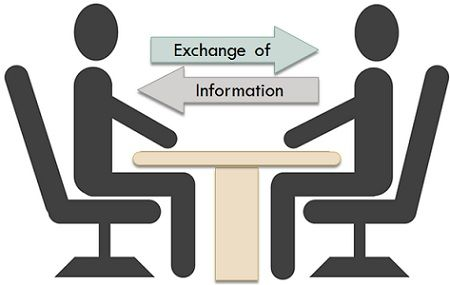
Communication is the process of sharing information with others. It can happen through speaking, writing, listening, or body language. Communication allows people to exchange ideas, give instructions, ask questions, and solve problems. In business, communication happens every day.
Employees talk to managers, managers talk to customers, and teams work together to complete projects. Good communication means the message is clear and easy to understand. It also means listening carefully to others before giving a response. When communication is simple and honest, people feel respected and valued.
Why Communication Matters in Business
Communication is the foundation of every successful business. A business cannot operate without sharing information. Employees need clear instructions to complete their work. Managers need reports and feedback to make better decisions. Customers need answers to their questions before buying products or services. Good communication reduces confusion and saves time.
It also helps avoid mistakes that can cost money. A business with strong communication builds better relationships with customers and employees. Trust grows when people communicate honestly and respectfully.
Types of Business Communication
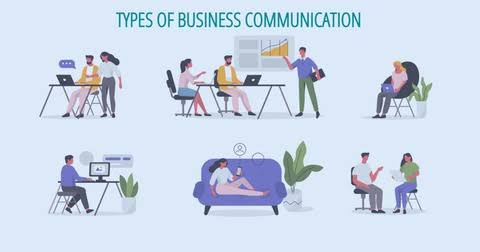
Businesses use different types of communication every day. Each type has its own purpose.
Verbal Communication
Verbal communication means talking with others. It happens during meetings, phone calls, interviews, and presentations. Clear speaking helps people understand important information. A friendly tone also creates a positive environment. Speaking with confidence shows professionalism and builds trust.
Written Communication
Written communication includes emails, letters, reports, text messages, and business documents. Writing should be clear, short, and polite. Good writing reduces misunderstandings and creates a professional image. Every business should use simple language that everyone can understand.
Non-Verbal Communication
Non-verbal communication includes facial expressions, eye contact, hand movements, posture, and body language. Sometimes body language speaks louder than words. A smile shows friendliness. Eye contact shows confidence. Positive body language helps build strong relationships in business.
Benefits of Good Communication
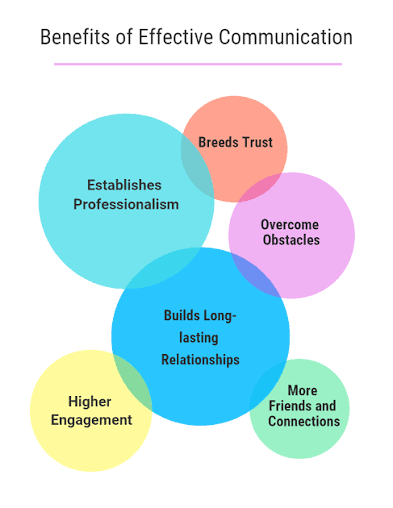
Good communication brings many benefits to a business. It improves teamwork because everyone understands their roles. It increases productivity because employees spend less time fixing mistakes. Good communication also creates happier customers because they receive quick and clear answers. Employees feel more motivated when managers listen to their ideas.
Business leaders make better decisions when they receive accurate information. Communication also helps reduce conflicts by solving problems before they become serious. A business with strong communication often has a better reputation in the market.
| Benefit | How It Helps |
|---|---|
| Better teamwork | Employees work together smoothly |
| Higher productivity | Less confusion and fewer mistakes |
| Happy customers | Better service and quick support |
| Strong relationships | Builds trust and respect |
| Better decisions | Clear information helps leaders |
Communication Between Employees
Employees must communicate with each other every day. They share ideas, solve problems, and complete tasks together. Good communication creates teamwork and respect. It also makes the workplace more enjoyable. Employees should listen carefully and speak politely. They should ask questions if something is unclear. Honest communication helps avoid misunderstandings. Team members who communicate well often complete projects faster and with better quality.

Communication with Customers
Customers are the heart of every business. Good communication helps businesses understand customer needs. Friendly communication makes customers feel welcome. Businesses should answer customer questions quickly and politely. They should explain products in simple words. Listening to customer feedback is also important. Feedback helps businesses improve their products and services. Happy customers often return and recommend the business to others.
Communication with Business Partners
Business partners need trust and clear communication. Regular meetings, emails, and reports keep everyone informed. Honest communication prevents confusion and strengthens partnerships. Businesses should always share important updates on time. Respectful communication helps build long-term business relationships. Strong partnerships often lead to new opportunities and business growth.
How to Improve Communication Skills
Communication skills can improve with practice. People should become good listeners before speaking. They should use simple words instead of difficult language.
Speaking clearly and confidently helps others understand the message. Reading books and articles improves vocabulary. Writing emails regularly improves writing skills. Asking for feedback also helps people learn from their mistakes. Practice makes communication stronger every day.
Here are a few simple tips:
- Listen carefully.
- Speak clearly.
- Use simple words.
- Maintain eye contact.
- Ask questions.
- Respect others.
- Think before speaking.
- Practice every day.
Common Communication Mistakes
Many businesses face communication problems. One common mistake is not listening carefully. Another mistake is giving unclear instructions. Some people use difficult words that confuse others. Others interrupt while someone is speaking. Ignoring customer feedback is also a mistake.
Delaying important information can create problems. Businesses should avoid these mistakes by encouraging open and respectful communication. Clear communication saves time and improves business performance.
Role of Technology in Business Communication
Technology has changed business communication. Today, businesses use email, video meetings, messaging apps, and social media to stay connected. Teams can work together from different cities or countries. Customers can contact businesses at any time.
Technology makes communication faster and easier. Businesses should still use polite language and professional behavior when communicating online. Good digital communication creates trust and strengthens business relationships.

Leadership and Communication
Good leaders are also good communicators. They explain goals clearly and motivate employees. They listen to employee concerns and provide helpful feedback. Leaders who communicate honestly create trust in the workplace. Employees feel more confident when leaders share information openly. Strong leadership communication also helps businesses handle challenges and changes successfully.
Teamwork and Communication
Teamwork depends on communication. Every team member should share ideas and listen to others. Open communication encourages creativity and problem-solving. Team members should respect different opinions and work toward common goals. Businesses with strong teamwork often achieve better results because everyone understands their responsibilities. Communication keeps the team united and focused on success.

Conclusion:
Communication is one of the most valuable skills in business. It helps employees, managers, customers, and business partners work together successfully. Good communication builds trust, improves teamwork, increases productivity, and creates better customer service.
Every business should encourage clear, honest, and respectful communication. People who improve their communication skills become better professionals and stronger leaders. A business that communicates well has a greater chance of long-term success.
FAQs:
1. Why is communication important in business?
Communication helps people share ideas, solve problems, and work together effectively.
2. What are the main types of business communication?
The main types are verbal communication, written communication, and non-verbal communication.
3. How can I improve my communication skills?
Practice listening, speak clearly, write simple messages, ask questions, and accept feedback.
4. How does communication improve customer service?
Clear communication helps customers understand products, receive quick support, and build trust in the business.
5. What happens if communication is poor in a business?
Poor communication can cause mistakes, confusion, conflicts, lower productivity, and unhappy customers.