


How to Manage Fear of Risk in Business
Introduction:
Fear of risk is one of the biggest challenges faced by entrepreneurs, business owners, and professionals. Fear of risk in every business decision comes with some level of uncertainty. You may worry about losing money, making a wrong decision, choosing the wrong market, or failing to reach your goals. These fears are normal, but if you allow fear to control every decision, you may miss valuable opportunities. A person who is always afraid of risk may spend too much time waiting for the perfect moment, while the market continues to move forward.
Fear of risk does not mean removing all risk from your business. That is almost impossible. Instead, it means learning how to understand risk, prepare for problems, and make better decisions. Think of risk like driving a car on a busy road.
What Is Fear of Risk?
Fear of risk is the worry that something may go wrong when you make a decision. In business, this fear can appear in many forms. You may be afraid to start a new business because you think you could lose your money. You may avoid launching a new product because customers may not like it. You may hesitate to invest in marketing because you are not sure about the results. These thoughts can make business decisions feel difficult.
Risk itself is not always bad. In fact, many opportunities require some level of risk. Starting a business, hiring an employee, entering a new market, or creating a new product all involve uncertainty. The problem begins when fear becomes so strong that it stops you from taking reasonable action. If you never take any risk, you may also never experience meaningful growth.
A smart entrepreneur does not ask, “How can I avoid every risk?” A better question is, “How can I understand and manage this risk?” This small change in thinking can make a big difference. It moves your attention away from fear and toward practical solutions.
Why Do People Fear Risk in Business?
There are many reasons why people fear risk. One common reason is the fear of failure. Nobody wants to spend months or years working on something that does not succeed. Business failure can feel personal, especially when your money, time, and reputation are involved.
Another reason is the fear of losing money. Financial loss can create serious pressure, particularly for small businesses and new entrepreneurs. If a person invests more money than they can afford to lose, the fear can become even stronger. This is why financial planning is an important part of managing business risk.
People also fear the unknown. When you do not have enough information, your mind may imagine the worst possible outcome. For example, if you want to enter a new market but do not understand your customers, competitors, or costs, you may feel nervous.
Understand the Difference Between Risk and Fear
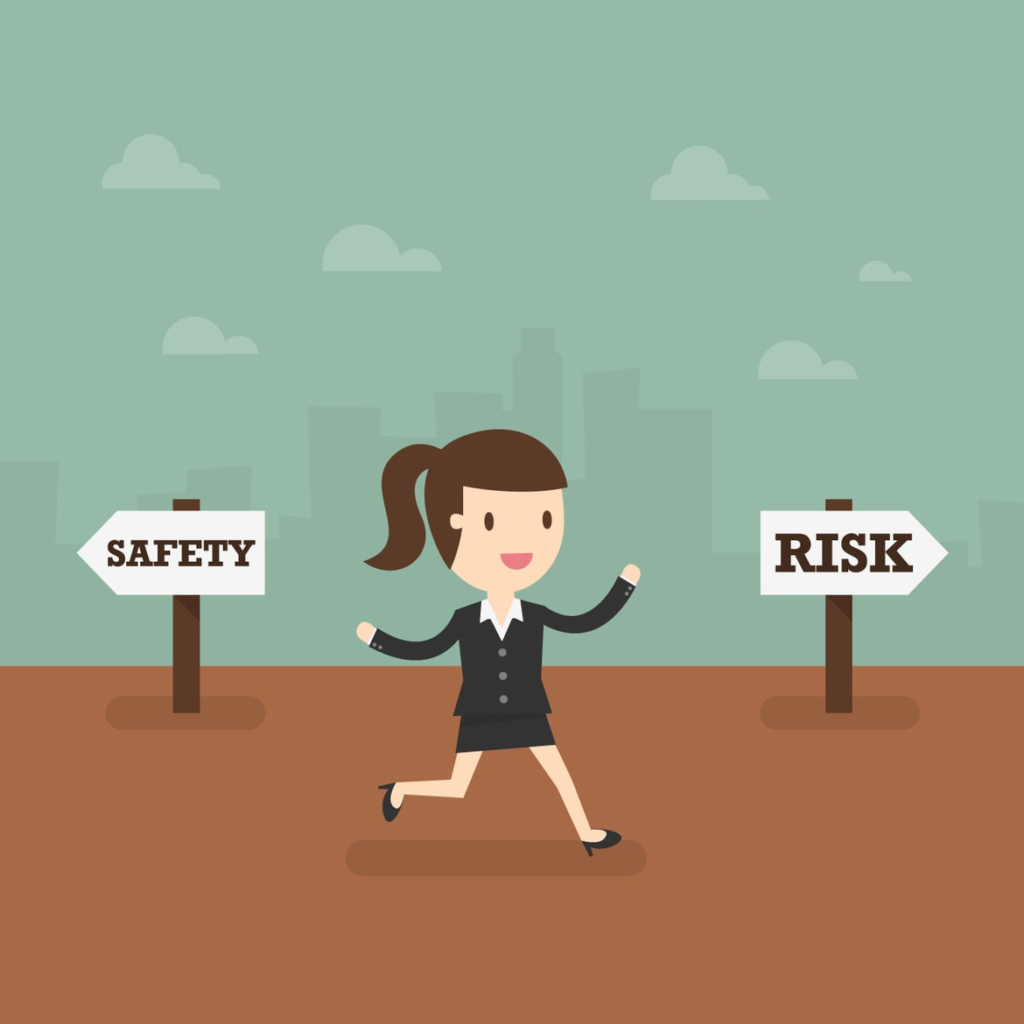
One of the best ways to manage fear is to understand the difference between actual risk and emotional fear. Risk is the possibility that something may happen. Fear is the emotional response you have to that possibility. They are connected, but they are not the same thing.
For example, imagine you are thinking about launching an online store. The real risks may include low sales, advertising costs, strong competition, or delivery problems. Your fear may tell you, “This business will definitely fail.” But that statement is not a fact. It is an emotional prediction.
When you separate facts from emotions, you can think more clearly. Write down what you know and what you do not know. Ask yourself which risks are likely, which are unlikely, and which risks you can control. This simple exercise can help reduce unnecessary worry.
Start With Small Risks
You do not always need to take a huge risk to grow your business. One of the smartest ways to manage fear is to start small. Instead of investing a large amount of money in a new idea, test it with a smaller budget. Instead of launching a product across an entire country, test it with a smaller group of customers.
Small experiments allow you to learn without putting everything at risk. You can discover what works, identify problems, and improve your idea before making a bigger commitment. This approach is especially useful for new entrepreneurs who do not have large amounts of capital.

Do Your Research
Good research can reduce fear because it gives you better information. Before making an important business decision, learn as much as you reasonably can about the situation. Study your customers, competitors, market conditions, costs, and possible challenges.
Customer research is especially valuable. If you are planning to sell a product, find out whether people actually need it. Ask potential customers about their problems and preferences. Look at existing products and understand why customers choose them.
Research does not guarantee success, but it can reduce unnecessary surprises. It helps you replace assumptions with evidence. When you understand the market better, you are more likely to make a confident decision.
Create a Business Plan
A business plan can help you manage uncertainty. It does not need to be a long and complicated document. A simple plan can explain what you want to achieve, who your customers are, how you will make money, and what resources you need.
Your plan should also consider possible problems. What will happen if sales are lower than expected? What if your costs increase? What if a competitor enters the market? Thinking about these questions before problems happen can help you feel more prepared.
A business plan is like a map. A map cannot control the weather or remove every obstacle from the road, but it can show you where you are going and help you choose a better route. The same is true for business planning.

Build an Emergency Fund
Financial preparation is one of the strongest ways to reduce fear of risk. When a business has some financial reserves, unexpected problems become easier to manage. An emergency fund can help cover important expenses during slow periods or unexpected events.
The exact amount needed will depend on the size and type of business. The important point is to avoid using every available dollar for growth. Keeping some money aside gives you more flexibility when things do not go according to plan.
An emergency fund can also improve your mental confidence. When you know that you have some financial protection, you may feel less pressure to make desperate decisions. You can focus on solving problems instead of reacting with panic.
Make Decisions With the Information You Have
Many people delay business decisions because they are waiting for perfect information. The problem is that perfect information rarely exists. Markets change, customers change, and new competitors appear. If you wait until everything is certain, you may wait forever.
Instead, make the best decision you can with the information available at the time. This does not mean acting carelessly. It means accepting that some uncertainty is a normal part of business.
Ask yourself three questions: What do I know? What do I need to learn? What is the next small step I can take? These questions can help you move forward without feeling that you must solve everything at once.
Learn From Failure
Failure is one of the biggest sources of fear, but it can also be one of the best teachers. Not every business idea will succeed. Some products will not sell, some marketing campaigns will not work, and some partnerships may end.
The important thing is to learn from these experiences. After something goes wrong, ask what happened and why. Did you misunderstand your customers? Did you spend too much money? Did you choose the wrong strategy? Once you understand the reason, you can make better decisions next time.
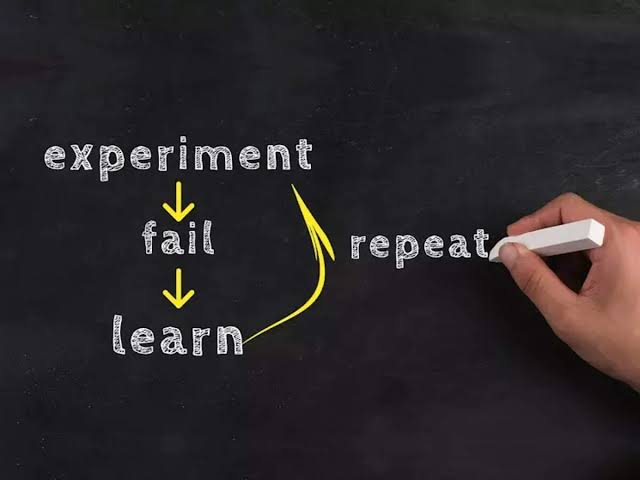
A failed experiment does not always mean that you are a failed entrepreneur. Sometimes, it simply means that one approach did not work. Successful business owners often improve by testing, learning, changing, and trying again.
Avoid Making Emotional Decisions
Fear can cause people to make quick decisions without thinking clearly. When you are worried, you may want to cancel a good project too early or invest money in a desperate attempt to fix a problem.
Try to slow down when emotions are strong. Give yourself time to review the facts. Talk to someone you trust. Look at the numbers. Consider different options before making a final decision.
This does not mean you should ignore your feelings. Your feelings can provide useful signals. However, emotions should be combined with facts and careful thinking. A calm mind usually makes better decisions than a frightened mind.
Learn From Experienced People
You do not have to manage business risk alone. Experienced entrepreneurs, mentors, consultants, and business professionals can provide useful advice. They may have faced problems that you have never experienced before.
Talking to experienced people can also make risks feel less frightening. You may discover that a problem you consider impossible is actually common and manageable. Someone with experience may show you solutions that you had not considered.
Choose advisors carefully and listen to different opinions. Nobody can predict the future perfectly, but good advice can help you see your situation from a new perspective.
Focus on What You Can Control
One major source of fear is worrying about things you cannot control. You cannot control every competitor, economic change, customer decision, or market event. Spending too much energy worrying about these things can make you feel powerless.
Instead, focus on what you can control. You can control the quality of your product. You can improve your customer service. You can manage your expenses. You can learn new skills. You can communicate with your team and respond to customer feedback.
When you focus on controllable actions, fear becomes easier to manage. You may not control the entire road ahead, but you can control how well you prepare and how you respond to challenges.
Use Risk Management Strategies
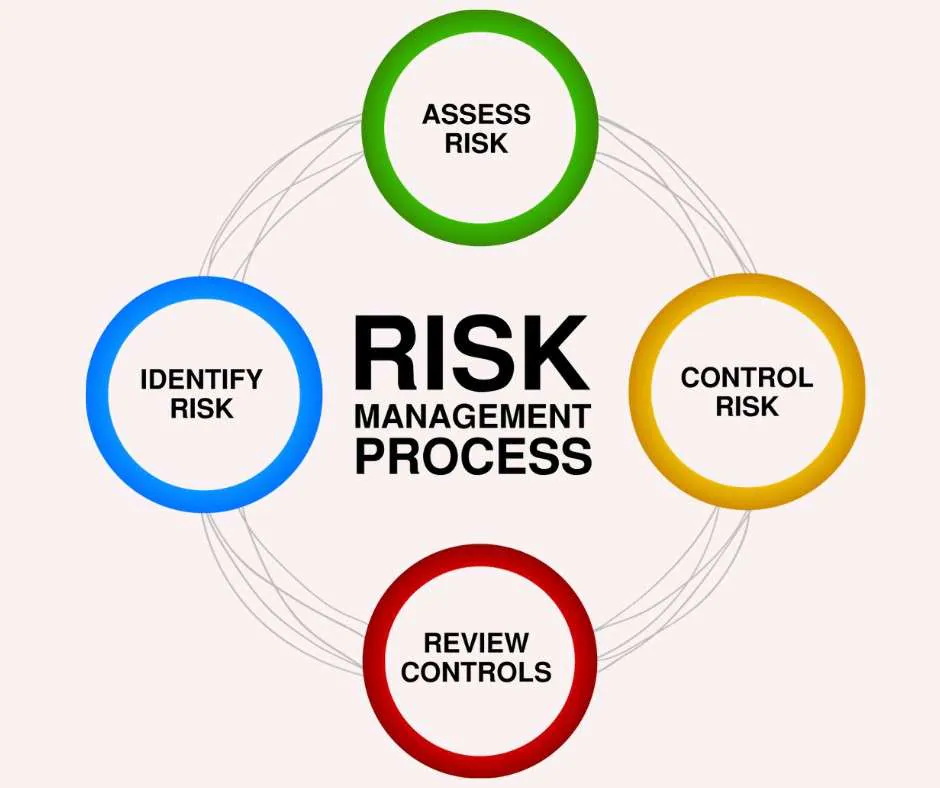
Risk management means identifying possible problems and creating plans to deal with them. A simple risk management process can include identifying the risk, understanding its possible impact, and deciding how you will respond.
For example, if your business depends on one supplier, you may face a supply problem if that supplier stops working with you. One solution is to build relationships with alternative suppliers. If your business depends on one customer, you may reduce risk by finding more customers.
Risk management is not about expecting everything to go wrong. It is about being prepared when something does go wrong. Preparation creates confidence because you know you have a plan.
Develop a Strong Mindset
Your mindset has a major influence on how you respond to risk. If you believe every mistake is a disaster, you may become afraid to act. If you see mistakes as opportunities to learn, you may become more willing to experiment.
A strong business mindset does not mean being positive all the time. It means staying realistic while believing that you can handle challenges. You can recognize that a risk exists without assuming that the worst outcome will happen.
Try to replace negative thoughts with practical questions. Instead of saying, “What if everything goes wrong?” ask, “What can I do if something goes wrong?” This simple change moves your mind from fear toward preparation.
Build Confidence Through Action
Confidence does not always come before action. Often, confidence grows because of action. When you take small steps and see yourself handling challenges, your confidence becomes stronger.
Suppose you are afraid to contact your first customer. You can start by contacting one person. After that, contact another. With each conversation, you learn more and become more comfortable. The fear may not disappear completely, but it becomes easier to manage.
Business confidence works like a muscle. The more you practice making decisions, solving problems, and learning from results, the stronger your confidence becomes.
Create a Simple Risk Checklist
A risk checklist can help you think clearly before making important decisions. Before investing money or starting a new project, consider the following questions:
- What could go wrong?
- How likely is the problem?
- How much could it cost?
- Can I reduce the risk?
- What is my backup plan?
- What is the smallest way to test this idea?
- What can I learn before investing more?
These questions do not remove uncertainty, but they can make uncertainty easier to understand. A clear process is often better than allowing fear to control your thoughts.
Do Not Let Fear Stop Growth
Every successful business faces risk. Companies must adapt to changing customers, new technology, competition, and economic conditions. A business that refuses to change may eventually lose its position.
This does not mean taking foolish risks. Smart growth is based on calculated decisions. You should understand the possible benefits, consider the possible losses, and decide whether the opportunity is worth pursuing.
The goal is not to become fearless. The goal is to become better at managing fear. A brave entrepreneur is not someone who never feels afraid. A brave entrepreneur is someone who feels fear, studies the situation, prepares carefully, and still takes a reasonable step forward.

Conclusion:
Managing fear of risk is an important skill for every entrepreneur and business owner. Risk is a natural part of business, and it cannot be removed completely. However, you can reduce unnecessary risk by doing research, creating a plan, starting with small steps, managing your money, learning from experienced people, and preparing for possible problems.
Fear can either become a wall or a warning sign. If you allow fear to control you, it may stop you from taking valuable opportunities. If you use fear as a reason to prepare, it can help you become more careful and thoughtful. The best approach is to find a balance between courage and caution.
Frequently Asked Questions:
1. What is the best way to manage fear of risk in business?
The best way is to understand the risk before making a decision. Research the market, calculate possible costs, start with a small test, and create a backup plan. These steps can make uncertainty easier to manage and help you make decisions with greater confidence.
2. Is taking risks necessary for business success?
Some level of risk is usually necessary for business growth because new opportunities often involve uncertainty. However, successful entrepreneurs generally try to take calculated risks rather than careless risks. They study the situation, understand possible losses, and prepare before taking action.
3. How can I stop being afraid of business failure?
You may not completely remove the fear of failure, but you can change how you think about it. Treat failure as feedback rather than a final judgment. Learn what went wrong, improve your strategy, and use the experience to make better decisions in the future.
4. Should a new entrepreneur take big risks?
A new entrepreneur should usually avoid unnecessary large risks, especially when they have limited money or experience. Starting small, testing an idea, and growing gradually can reduce potential losses. Small experiments can provide valuable information before making a larger investment.
5. How does planning reduce fear of risk?
Planning gives you a clearer understanding of what you want to achieve and what problems you may face. When you have a plan and a backup strategy, unexpected problems may feel less frightening. Planning cannot guarantee success, but it can help you respond to challenges more effectively.