

1. Risk Management Fundamentals
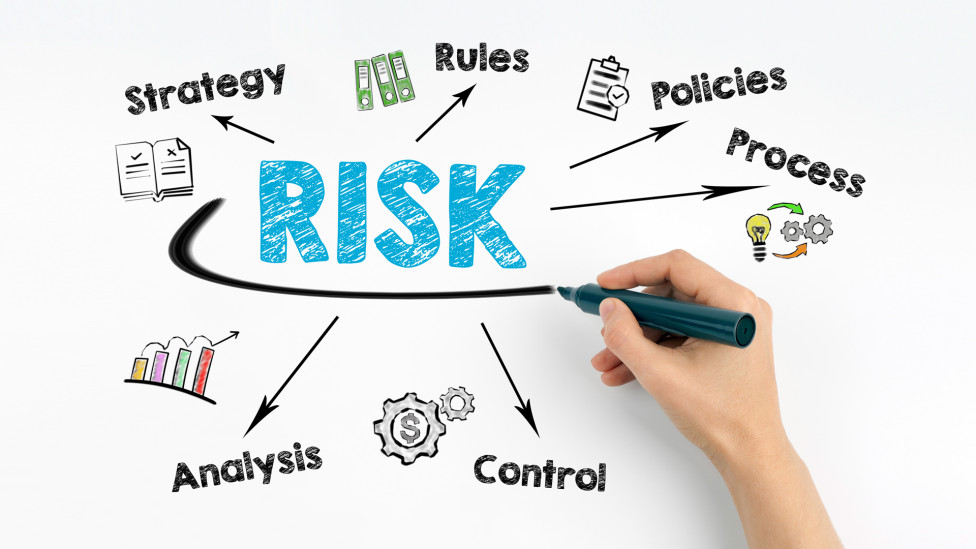
Risk management is all about identifying, analyzing, and controlling uncertainties that could negatively impact goals. Think of it as a decision-making compass—it doesn’t remove uncertainty but helps you navigate through it intelligently. In business, this means preparing for financial losses, operational disruptions, or market changes before they happen. Even in everyday life, choosing insurance or saving money reflects basic risk management principles. Organizations that adopt structured risk practices tend to be more resilient and adaptable. Instead of reacting to problems, they anticipate them, which ultimately leads to smarter and more confident decisions.
2. Risk Identification
Before solving a problem, you need to know it exists. Risk identification involves spotting potential threats that could affect outcomes. Common methods include brainstorming, SWOT analysis, and reviewing past data. For example, a company launching a product might identify risks like low demand or supply delays. Missing this step is like driving without checking your fuel—you might stop unexpectedly. The more comprehensive the identification process, the better prepared you’ll be for what lies ahead.
3. Risk Assessment
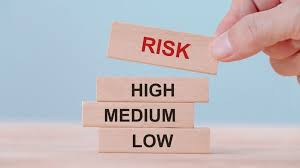
Once risks are identified, they must be evaluated. Risk assessment determines how likely a risk is and how severe its impact could be. Some risks are minor inconveniences, while others can cause serious damage. Businesses often use qualitative (low, medium, high) or quantitative (numerical data) methods to assess risks. This step ensures that attention is focused on what truly matters instead of wasting resources on less critical issues.
4. Risk Prioritization
Not all risks deserve equal attention. Risk prioritization ranks risks based on their importance, typically using tools like a risk matrix. This helps organizations focus on high-impact, high-probability risks first. Imagine juggling multiple problems at once—prioritization ensures you handle the most dangerous ones before they escalate. It’s a practical way to allocate time and resources efficiently.

5. Risk Mitigation
After prioritizing risks, the next step is reducing their impact. Risk mitigation involves strategies like avoiding, reducing, transferring, or accepting risks. For example, buying insurance transfers financial risk, while improving processes reduces operational risk. The goal isn’t to eliminate all risks—that’s impossible—but to keep them within manageable limits.
6. Risk Monitoring
Risks don’t stay static; they evolve over time. Risk monitoring ensures that identified risks are continuously tracked and reassessed. This involves regular reviews, performance metrics, and updates to risk strategies. Without monitoring, even well-planned risk strategies can become outdated. It’s like maintaining a car—regular checks prevent bigger problems later.
7. Financial Risk Management
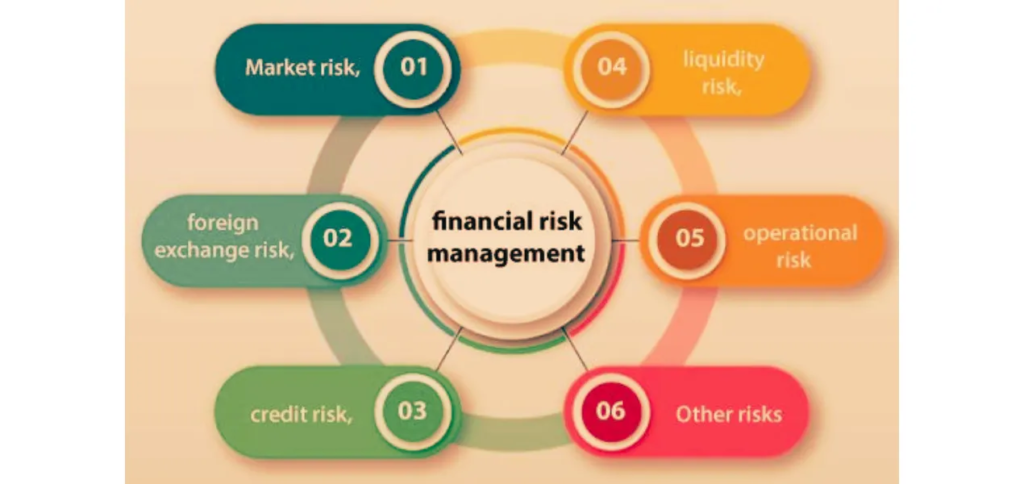
Financial risks involve potential losses related to money, such as market fluctuations, credit defaults, or liquidity issues. Businesses manage these risks through diversification, hedging, and careful financial planning. For example, investors spread their investments across different assets to minimize losses. Effective financial risk management ensures stability even in volatile economic conditions.
8. Operational Risk Management
Operational risks arise from internal processes, systems, or human errors. These include system failures, fraud, or poor management practices. Companies reduce these risks by improving workflows, training employees, and implementing strong internal controls. A single operational failure can disrupt entire operations, making this area critical for long-term success.
9. Strategic Risk Management
Strategic risks are linked to long-term business decisions. Entering a new market, launching a product, or adopting new technology all involve uncertainty. Poor strategic choices can lead to significant losses. That’s why businesses analyze market trends, competition, and potential outcomes before making major decisions. It’s about balancing ambition with careful planning.
10. Compliance and Legal Risk
Compliance risks involve failing to follow laws, regulations, or industry standards. This can lead to fines, legal action, or reputational damage. Companies manage these risks by staying updated on regulations and implementing strict policies. In highly regulated industries like finance and healthcare, compliance isn’t optional—it’s essential for survival.

Conclusion
Risk management isn’t just a technical process—it’s a mindset that encourages preparation, awareness, and smarter decision-making. From identifying risks to monitoring them over time, each step plays a crucial role in minimizing uncertainty. Whether in business or daily life, understanding these 10 short topics provides a solid foundation for handling challenges effectively. The better you manage risks, the more confidently you can pursue opportunities.
FAQs
1. What is the main purpose of risk management?
The main purpose is to identify potential risks and minimize their negative impact while maximizing opportunities.
2. What are the key steps in risk management?
The key steps include identification, assessment, prioritization, mitigation, and monitoring.
3. Why is risk prioritization important?
It helps focus resources on the most critical risks instead of trying to address everything at once.
4. Can risks be completely eliminated?
No, risks cannot be fully eliminated, but they can be reduced and controlled effectively.
5. Which industries need risk management the most?
All industries need it, but it is especially critical in finance, healthcare, construction, and technology.