

Introduction:
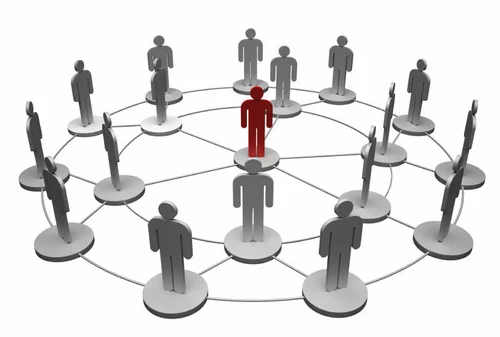
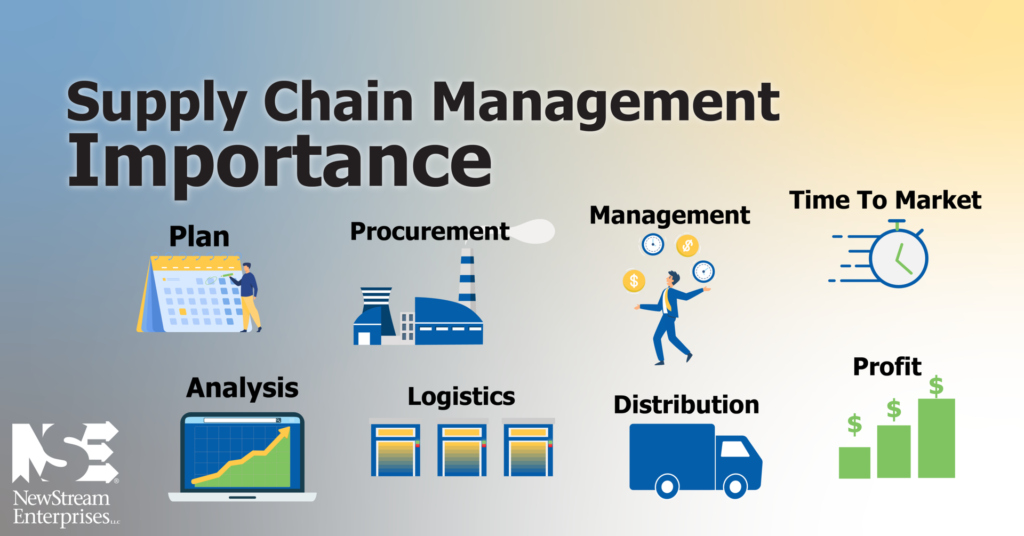
A chain system in business is a connected process where different people, departments, suppliers, distributors, and customers work together to move a product or service from one stage to another. It is closely related to supply chain management, which covers activities such as purchasing materials, production, storage, transportation, and delivery. A good chain system helps a business keep these activities connected instead of treating each task as a separate job.
What Is a Chain System in Business?
Think about a simple clothing business. A company first buys fabric from a supplier. The fabric goes to a factory, where workers turn it into clothes. The finished clothes are then stored, transported to shops or warehouses, and finally sold to customers. Each step depends on the previous one, so these connected steps create a business chain system.
The main goal is to make this chain smooth, fast, and affordable. If one part becomes slow, the whole business can suffer. For example, if a supplier delivers materials late, production may stop. If production is fast but transportation is poor, customers may still receive their orders late. This shows why businesses need strong coordination between every part of the chain.
Main Parts of a Chain System
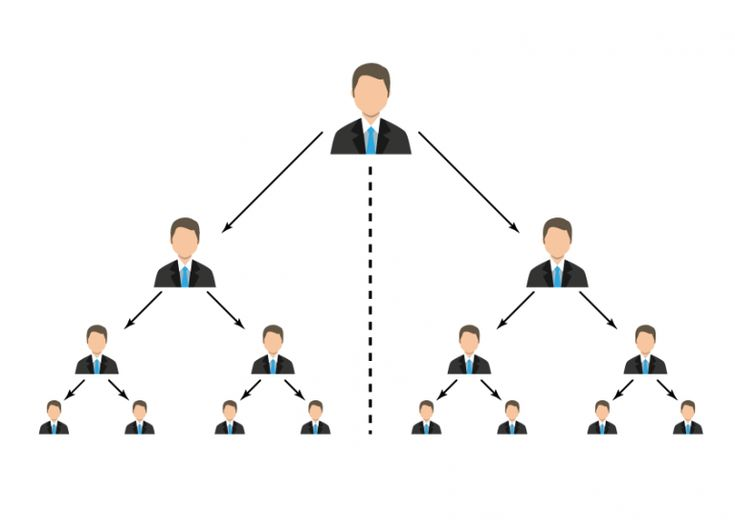
A business chain system normally includes several important areas. Suppliers provide raw materials or products. Manufacturers create or prepare products. Warehouses store goods, while transport companies and distributors move products toward customers. Retailers or online stores may then sell the products to the final buyer.
Information is also an important part of the chain. Businesses need accurate information about sales, inventory, customer demand, prices, and delivery times. Without good information sharing, companies can order too much, produce too little, or keep unnecessary stock.
Why Chain Systems Are Important
A strong chain system can help a company reduce waste, control costs, improve delivery, and serve customers more effectively. Recent research also connects supply chain performance with overall organizational performance. A 2025 study of Pakistani fan-manufacturing firms found that customer and supplier relationship management had positive effects on supply chain and organizational performance.
This is especially important for small businesses. A small company may not have a large budget, but it can still improve its chain system by choosing reliable suppliers, tracking inventory carefully, communicating clearly, and planning deliveries properly.
Technology in the Modern Chain System
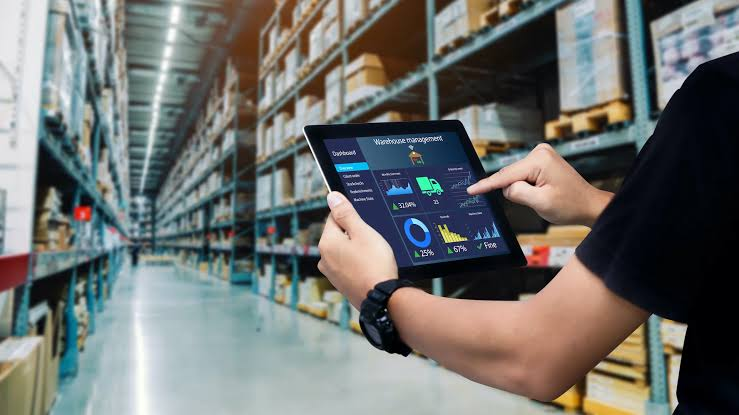
Technology is changing the way businesses manage their chains. Companies can now use inventory software, cloud systems, data analytics, artificial intelligence, and tracking tools to understand what is happening across different stages.
Research published in 2025 using data from 482 SMEs in Pakistan found that digital technology adoption in supply chain management can improve supply chain innovation and performance.
Technology can also provide better visibility. Managers can see how much stock is available, where an order is located, and when a shipment may arrive. This allows them to react faster when problems appear.
Benefits for Customers
Customers may never see the chain system, but they experience its results. When the system works well, products are available when needed, orders arrive on time, and service becomes more reliable. When the system fails, customers may face delays, missing products, or higher prices.
A business that consistently delivers good service can build customer trust. That trust can lead to repeat purchases and stronger relationships.
Challenges in a Chain System
A chain system can face many problems. Supplier delays, transportation costs, changing customer demand, poor communication, natural disasters, cyber risks, and inaccurate information can all create difficulties. Recent supply-chain research has highlighted limited visibility and resilience as important concerns for businesses.
Businesses should therefore avoid depending too heavily on one supplier or one transportation method. They should have backup plans and regularly review their suppliers and processes.
Chain System and Business Growth
An efficient chain system can support business growth because it allows a company to handle more orders without creating unnecessary confusion. When purchasing, production, storage, and delivery are properly connected, managers can use resources more effectively.
For growing businesses, this becomes even more important. A company may start with a few suppliers and customers, but as sales increase, the number of orders and deliveries also grows. Without a proper system, small problems can quickly become large ones.

Conclusion:
A chain system in business connects the different activities needed to provide products and services to customers. It links suppliers, production, storage, transportation, sales, information, and customers into one connected process. A well-managed chain can reduce costs, improve efficiency, increase customer satisfaction, and support long-term growth.
Modern businesses can make their chain systems stronger by using technology, sharing information, building reliable supplier relationships, and preparing for unexpected problems. In a competitive market, a strong chain is not simply a support function; it can become an important source of business success.
FAQs:
1. What is a chain system in business?
A chain system is a connected process in which suppliers, businesses, workers, distributors, and customers work together to deliver a product or service.
2. Why is a chain system important?
It helps businesses manage materials, products, information, and deliveries efficiently while controlling costs and improving customer service.
3. How does technology improve a chain system?
Technology can help businesses track inventory, monitor deliveries, analyze data, share information, and identify problems faster.
4. What can damage a business chain system?
Supplier delays, poor communication, transportation problems, changing demand, high costs, and weak planning can damage the chain.
5. Can small businesses use chain systems?
Yes. Small businesses can use simple systems for supplier management, inventory tracking, order processing, and delivery planning. These practices can become more advanced as the business grows.