
Introduction:
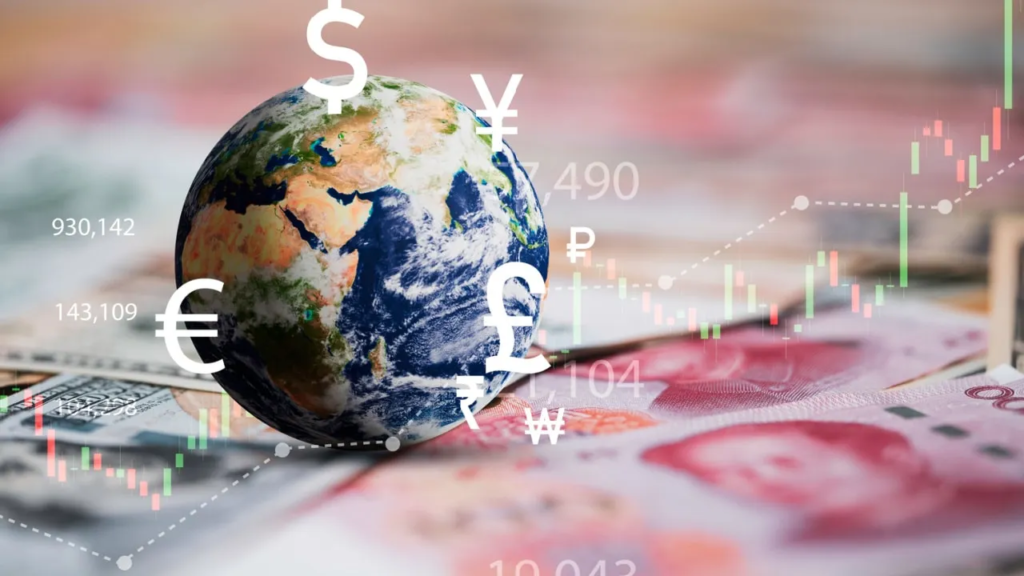
The world economy and business are closely connected. The world economy describes how countries produce, buy, sell, invest, and use money. Business is an important part of this system because companies create products, provide services, employ people, and trade across borders. When the global economy grows, businesses often find more opportunities to expand. When the economy becomes weak, companies may face lower sales, higher costs, and more competition.
Today, the global economy is changing quickly because of technology, international trade, energy prices, and changing customer needs. According to the International Monetary Fund (IMF), global economic growth is projected at 3.0% in 2026 and 3.4% in 2027. The IMF also reports that growth is uneven because some countries are affected by energy shocks while technology investment is supporting activity in other economies.
What Is the World Economy?
The world economy is the combined economic activity of countries around the world. Every country has businesses, workers, consumers, banks, governments, and financial markets that contribute to the global system. Countries depend on each other for raw materials, food, technology, energy, products, and services.
For example, one company may design a product in the United States, manufacture parts in Asia, use software from Europe, and sell the final product to customers in many countries. This simple example shows how modern business can cross many borders.
The world economy is affected by many factors, including interest rates, inflation, employment, trade policies, technology, energy prices, and political events. A major change in one country can sometimes influence businesses in many other countries.
Importance of Business in the Global Economy
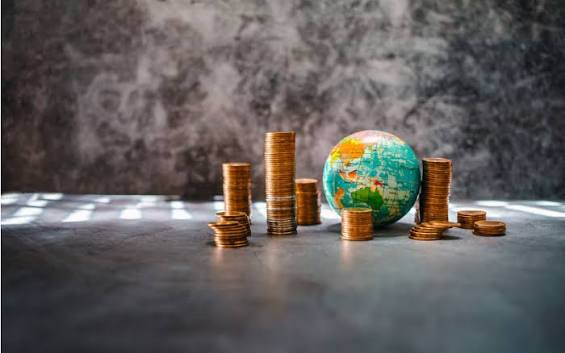
Business plays a major role in economic growth. Companies create jobs and provide goods and services that people need every day. When businesses grow, they usually hire more workers, purchase more materials, pay taxes, and invest in new products.
Small businesses are also important. A local shop, online store, software company, restaurant, or freelance service can contribute to the economy. With the growth of the internet, even a small business can reach customers in other countries.
International businesses create another level of opportunity. Companies can enter new markets, find new customers, and build international partnerships. However, global business also requires companies to understand different cultures, laws, currencies, and customer preferences.
Technology and the World Economy
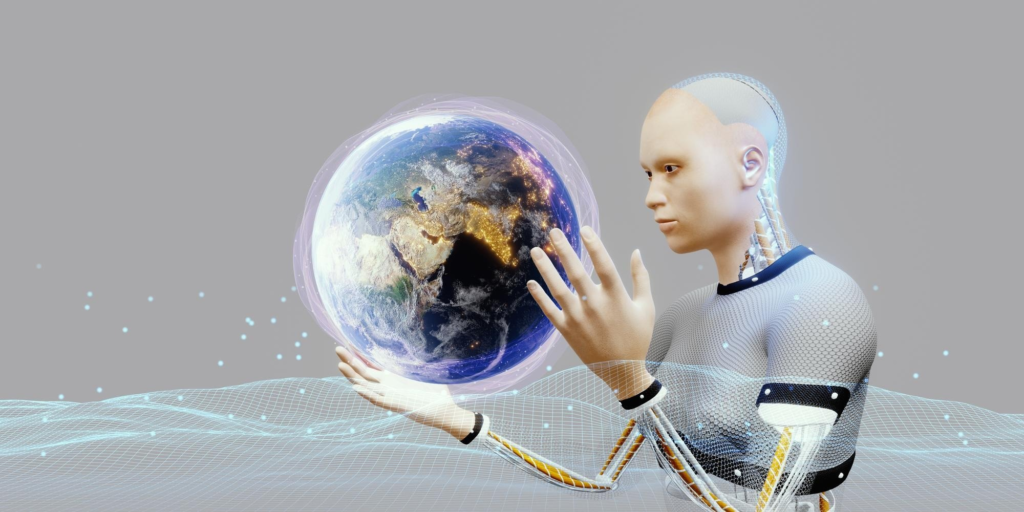
Technology has become one of the strongest forces changing modern business. Businesses now use artificial intelligence, cloud computing, digital payments, e-commerce, and automation to improve their work.
A small company can use social media to advertise products without spending as much money as traditional advertising required. An online business can sell products to customers around the world. Artificial intelligence can also help companies analyze information, improve customer service, and automate repetitive tasks.
The IMF says AI-driven demand is supporting countries that are connected to the global technology value chain.
This shows why businesses need to understand technology. Companies that adapt to useful new tools can become more productive and competitive.
Global Trade and Business Growth
Global trade allows countries and businesses to exchange products and services. A country may export products that it produces efficiently and import goods that are more expensive or difficult to produce locally.
Trade creates opportunities for businesses to reach larger markets. For example, an online clothing company can sell products to customers in several countries instead of depending only on local buyers.
However, international trade can also face problems. Changes in tariffs, transportation costs, supply chains, and political relationships can increase business expenses. The IMF has warned that renewed trade tensions and greater fragmentation could weaken global economic activity.
Challenges Facing World Business
Businesses around the world face many challenges. Inflation can increase the cost of materials, transportation, salaries, and other expenses. High interest rates can make borrowing money more expensive. Political uncertainty and conflicts can also disturb supply chains and energy markets.
The current global environment shows how quickly these risks can affect businesses. The IMF’s July 2026 outlook says global inflation is expected to rise from 4.1% in 2025 to 4.7% in 2026, before declining to 3.9% in 2027.
Businesses therefore need strong planning. Saving money, managing risks, improving efficiency, and building reliable supplier relationships can help companies survive difficult periods.

Opportunities in the Global Business Market
Although challenges exist, the world economy also provides many opportunities. Digital business, renewable energy, artificial intelligence, e-commerce, financial technology, healthcare, and online services are examples of areas with strong potential.
Entrepreneurs can start businesses with relatively small investments by using digital platforms. A freelancer can provide services to international customers. An online store can reach buyers in different countries. A software company can develop one product and sell it to thousands of customers.
The key is to identify a real customer problem and provide a useful solution. Businesses that understand their customers and adapt to market changes have a better chance of long-term success.
Future of World Economy and Business
The future of the world economy will likely be shaped by technology, international trade, energy transformation, and changing consumer behavior. Businesses will need to become more flexible because markets can change quickly.
AI may improve productivity, while renewable energy can change the way countries and companies manage energy needs. Digital platforms will continue to make international business easier for many entrepreneurs.
At the same time, businesses cannot ignore risks. The IMF expects global growth to remain positive but uneven, with geopolitical risks, financial market changes, and trade issues continuing to influence the outlook.
Conclusion:
The world economy and business are connected in almost every part of modern life. Businesses create jobs, produce goods, provide services, and support economic growth, while the global economy creates opportunities and challenges for companies.
Technology is opening new doors for entrepreneurs and established businesses alike. At the same time, inflation, trade changes, energy costs, and global uncertainty require careful planning. A successful business in the future will need to understand its customers, use technology wisely, control costs, and respond quickly to change.
The world economy will continue to change, but businesses that remain flexible, innovative, and customer-focused can find opportunities even in difficult conditions.
FAQs:
1. What is the world economy?
The world economy is the combined economic activity of countries, including production, trade, investment, employment, and consumption.
2. Why is business important to the world economy?
Business creates jobs, provides products and services, generates income, encourages investment, and contributes to economic growth.
3. How does technology affect global business?
Technology helps businesses communicate, sell products, manage operations, analyze data, and reach customers around the world.
4. What are the biggest challenges for global businesses?
Major challenges include inflation, changing trade policies, supply-chain problems, energy costs, political uncertainty, and strong competition.
5. What is the future of global business?
The future is likely to include greater use of AI, digital services, e-commerce, renewable energy, automation, and international online business.