

Introduction:
Saving for the future is one of the best habits a person can develop. Life does not always follow our plans. Some months are easy. Other months bring unexpected costs. A medical bill, job loss, family need, home repair, or business problem can appear without warning. Future savings give you a safety net when life becomes difficult. They also help you reach important goals without depending completely on loans or other people. Financial planning guidance from Pakistan’s Securities and Exchange Commission recommends looking at income, expenses, existing savings, debts, emergency needs, and future goals when building a financial plan.
Why Saving for the Future Matters
Saving money is not only about becoming rich. It is about creating financial security. When you save regularly, you give yourself more choices. You can handle an unexpected expense with less stress. You can also plan for education, a home, marriage, retirement, travel, or a business.
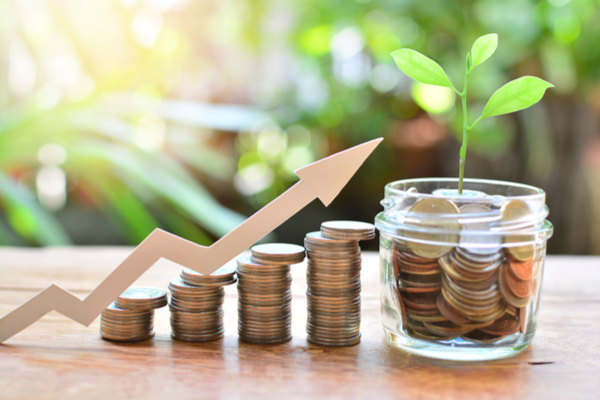
Many people think they need a large income before they can start saving. This is not always true. A small amount saved regularly can become meaningful over time. For example, saving a fixed amount every week creates a habit and gradually builds a reserve. The important thing is to begin with an amount that fits your income.
An emergency fund is especially useful because it can help pay for unexpected expenses without immediately turning to loans or credit. The Consumer Financial Protection Bureau explains that even small emergency savings can provide financial protection against unexpected costs.
Start With a Simple Savings Goal
A clear goal makes saving easier. Instead of saying, “I want to save money,” choose a specific target. You might want to save for six months of expenses, education, a new computer, a home, or retirement.Write down your goal. Give it a time limit. Then decide how much you need to save each month.
For example, imagine you want to save 120,000 in one year. You could divide the target across twelve months. This makes the large goal feel smaller and easier to manage.
You do not need to reach every goal quickly. Consistency is more important than speed. A slow saving habit is still better than no saving habit.
Create a Monthly Budget
A budget helps you understand where your money goes. Without a budget, small purchases can quietly consume a large part of your income. A simple budget can show your income, necessary expenses, optional spending, debt payments, and savings.
Start by writing down your monthly income. Then list your regular costs such as food, rent, transport, utilities, education, and other important needs.
After that, look at optional spending. This may include unnecessary shopping, frequent restaurant meals, entertainment, or impulse purchases.
Budgeting does not mean you cannot enjoy your money. It means you decide where your money should go before it disappears. Current financial guidance also highlights budgeting as a foundation for saving and long-term financial stability.
Pay Yourself First
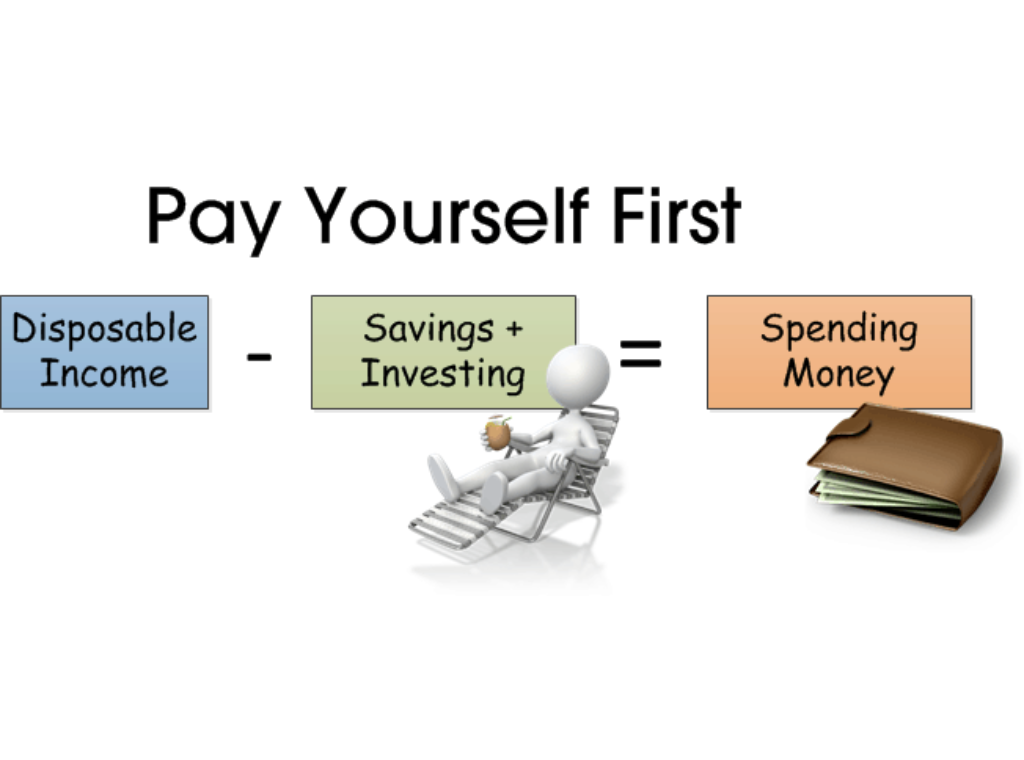
One simple saving method is to save before spending. When you receive your income, move a planned amount into savings first. Then use the remaining money for your needs and wants.This method can be easier than waiting until the end of the month. If you spend everything first, there may be nothing left to save.
Even a small amount can build the habit. If your income is irregular, choose a percentage instead of a fixed amount. When you earn more, your savings can increase. When you earn less, you can reduce the amount while still keeping the habit alive.The goal is to make saving a normal part of your financial routine.
Build an Emergency Fund
An emergency fund is money kept for unexpected and important expenses. It may help with a sudden medical cost, urgent repair, loss of income, or other serious financial problem.
You should keep emergency savings separate from money used for everyday shopping. This makes it easier to protect the fund from unnecessary spending.
There is no single amount that works for everyone. Your target depends on your income, expenses, family responsibilities, job stability, and financial situation. Some financial education sources recommend building toward several months of essential expenses, while also encouraging people to start with smaller amounts if a larger target feels difficult.The important point is simple: start before you need it.
Save for Short-Term Goals
Not every future goal is many years away. Some goals may arrive within a few months.You may need money for school fees, a laptop, a vehicle repair, a family event, or a professional course. Saving for these goals separately can prevent them from damaging your main budget.
Create different savings categories if necessary. One account or section can be for emergencies. Another can be for planned purchases. Another can be for long-term goals.This approach makes your money easier to understand. You know why you are saving each amount.
Think About Long-Term Goals
Long-term saving requires patience. Retirement is one example. You may also want to buy property, start a business, support your children, or build financial independence.Long-term goals can seem far away. That is why many people ignore them. But time can be one of your strongest financial advantages.
Starting early gives you more time to build your savings. You can increase your contributions as your income grows.Your long-term plan should match your situation and risk level. Investment decisions are different from ordinary savings decisions, so it can be useful to understand the risks and seek qualified financial guidance when needed.
Reduce Unnecessary Spending
Saving does not always require earning more. Sometimes it starts with spending less.
Look at your daily habits. Do you buy things because you need them or because you see an attractive offer? Do you frequently order food when you already have food at home? Do you purchase new products simply because they are popular?Small changes can create room for savings.
You do not need to remove every enjoyable activity from your life. Instead, identify spending that does not add much value. Put some of that money toward your future.Think of every saved amount as a small worker building your financial future.
Avoid Unnecessary Debt
Using debt for an emergency can sometimes be unavoidable. That is one reason an emergency fund matters. A financial reserve can reduce the need to borrow when an unexpected problem appears. The CFPB notes that emergency savings can help people avoid relying on loans or credit when financial shocks occur.
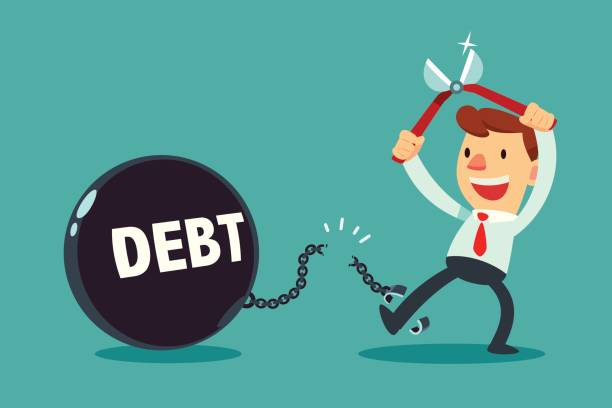
Debt can make future saving harder. When a large part of your income goes toward debt payments, less money remains for savings and important goals.
Before borrowing money, ask yourself whether the purchase is necessary. Understand the total cost, interest, fees, and repayment period.
Automate Your Savings
Automation can make saving easier. If your bank or financial service allows automatic transfers, you can arrange for money to move into savings regularly.
This reduces the need to remember every month. The money is moved before you have a chance to spend it.
Automation is especially useful for people who struggle with consistency. A small automatic transfer can become a strong financial habit over time.
You can start with a comfortable amount. Later, increase it when your income rises.
Increase Savings When Income Grows
When you receive a raise, bonus, freelance payment, or extra business income, you may feel tempted to increase your spending immediately.
Some lifestyle improvements are reasonable. But you do not need to spend all additional income.
Consider saving part of every income increase. This allows your financial progress to grow along with your earnings.
For example, if your income increases by 10%, you could decide to direct part of that increase toward savings. This can improve your future position without making your current lifestyle feel restricted.
Save for Retirement
Retirement may seem far away when you are young. Still, it is wise to think about it early.You may not always have the same income. You may change jobs, start a business, take a career break, or face unexpected circumstances. Retirement savings can help provide financial independence later in life.
Your retirement strategy should consider your age, income, expected expenses, and available financial products. Do not invest money without understanding the risks.The best retirement plan is one that you can maintain for many years.

Teach Saving to Children
Saving is also a valuable lesson for children. Give them simple examples.A child can learn to divide money between spending and saving. A small savings box can make the idea visible.
When children understand that money has a limit, they may become more thoughtful about purchases. They also learn that waiting can help them buy something more valuable later.Financial habits developed early can influence decisions for many years.
Keep Savings Safe and Accessible
Where you keep your savings matters. Emergency money should generally be accessible when you need it, while also being protected from unnecessary spending.
A dedicated savings account can help separate emergency money from daily spending. The CFPB recommends keeping emergency savings in a safe and accessible place.
Avoid putting emergency money into something that is difficult to access when you urgently need it. Long-term investments and emergency savings serve different purposes.
Think of emergency savings as a financial fire extinguisher. You hope you never need it, but you want it nearby when a real problem occurs.
Review Your Progress
Saving is not a one-time activity. Your income and expenses can change.Review your budget regularly. Check whether your savings target still makes sense. Look at your emergency fund. Review your debts. Consider whether your long-term goals have changed.
A yearly financial review can help you stay focused. You should also review your plan after major life changes such as a new job, marriage, business change, or major expense.A financial plan works best when it changes with your life rather than staying fixed forever.
Common Saving Mistakes
People often make simple mistakes when trying to save.One mistake is waiting for a higher income. Another is setting an unrealistic target and giving up quickly. Some people also keep their savings in the same account they use for daily spending.
Another mistake is using emergency savings for non-emergency purchases. A shopping discount is not an emergency. A planned holiday is not an emergency. A new phone may be useful, but it usually should have its own savings goal.Clear rules can protect your savings.
Saving for the Future in Pakistan
For people living in Pakistan, saving can be challenging because household expenses and prices can change. This makes careful budgeting even more useful.
Start with your essential expenses. Understand how much your household needs each month. Then create a realistic savings target.
Do not compare your savings with another person’s savings. Income levels and family responsibilities are different.
If you can save only a small amount today, start there. A small emergency reserve can still provide useful protection. Some recent Pakistan-focused financial guidance recommends starting with a manageable emergency target and gradually working toward several months of essential expenses.
Make Saving a Daily Habit
Saving becomes easier when it becomes part of your normal routine.
Check your spending. Avoid unnecessary purchases. Compare prices before buying important items. Plan your meals. Use things for longer when they still work. Keep track of small expenses.
You do not need to become extremely strict with money. The goal is balance by daily habits.
Spend on things that matter to you. Save for things that matter to your future.

Conclusion:
Saving for the future is a habit, not a one-time action. You do not need to be wealthy to begin. You need a clear goal, a simple budget, discipline, and consistency.
Start with a small amount. Build an emergency fund. Reduce unnecessary spending. Avoid avoidable debt. Save for both short-term and long-term goals. Increase your savings when your income grows.
The future may be uncertain, but your preparation can be stronger. Every amount you save today can give you more choices tomorrow. The best time to build a saving habit is not when you become rich. It is now.
FAQs:
1. Why is saving for the future important?
Saving helps you prepare for emergencies and future goals. It can reduce financial stress and decrease your need to borrow money when unexpected expenses occur.
2. How much money should I save each month?
There is no single amount for everyone. Start with an amount you can maintain regularly. Even a small amount is useful if you save consistently.
3. What is an emergency fund?
An emergency fund is money reserved for unexpected and necessary expenses such as medical bills, urgent repairs, or loss of income. It should generally be separate from everyday spending money.
4. How can I save money on a low income?
Start small. Create a simple budget, reduce unnecessary spending, and save immediately when you receive income. Increase your savings gradually as your financial situation improves.
5. What is the best way to develop a saving habit?
Set a clear goal and save regularly. Automatic transfers can make the process easier. Review your progress and increase your savings when your income allows.