
What Does Learning From Failure Mean?
Learning from failure means looking at a mistake and finding a useful lesson inside it. Failure can happen at school, work, business, relationships, or personal goals. Nobody succeeds every time. A person may work hard and still get poor results. That moment can feel painful, but it can also become a valuable teacher. Recent learning research continues to show that failure can support learning when people reflect on mistakes and use the information to change their next attempt.
Learning from failure does not mean enjoying every bad experience. It means understanding what happened. You can ask simple questions. What went wrong? What did I miss? What could I do differently? These questions turn a painful experience into useful information. A failure becomes more valuable when you use its lesson in your next attempt.
Failure Is Not the End
Failure is not the final page of your story. It is one part of the journey. A student may fail an exam and later improve through better study methods. A business owner may lose money and learn how to control costs. A person may make a poor decision and become wiser because of it.
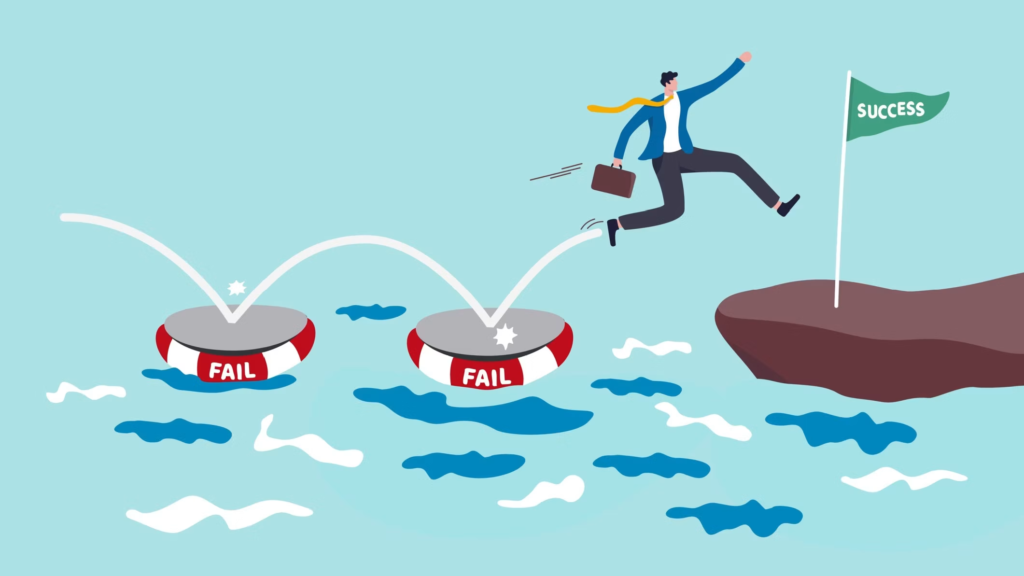
The important thing is what happens after failure. Giving up makes the failure stronger. Reflection makes the failure useful. Research on learning from failure suggests that people often underlearn from mistakes, which means simply experiencing failure is not enough. People need to stop, reflect, understand the mistake, and apply the lesson.
Failure Gives Useful Lessons
Every failure can contain information. Sometimes the lesson is about preparation. Sometimes it is about timing. Sometimes it is about choosing the wrong method. Sometimes the goal itself needs to change.
Imagine trying to open a small business. You spend money on a product that customers do not want. That result is disappointing. But it also tells you something about the market. You now know that customers have different needs. Your next business decision can be smarter.
Failure can show weaknesses that success hides. When everything goes well, you may never question your method. A setback forces you to look closely. That can lead to better decisions.
Why Failure Feels So Difficult
Failure can hurt because people often connect results with personal value. Someone who receives a low grade may think, “I am not intelligent.” Someone whose business fails may think, “I am not good at business.” These thoughts can make one event feel like a complete judgment about a person.
That thinking is not helpful. A failed attempt does not define your whole ability. You can fail at one task and still succeed at another. You can make one poor decision and make a better decision later.
Research on failure and learning also warns that failure can reduce motivation when it is interpreted negatively. A constructive response needs both reflection and emotional recovery.
Fear of Making Mistakes
Fear can stop people from trying. They may avoid difficult tasks because they do not want to look weak. They may choose easy goals because easy goals feel safer. This can limit growth.
Mistakes are a normal part of learning. A person learning a new skill will make errors. A new entrepreneur will make decisions that do not work. A student will answer some questions incorrectly.
The goal is not to avoid every mistake. The goal is to avoid repeating the same mistake without learning from it.
Emotional Pain After Failure
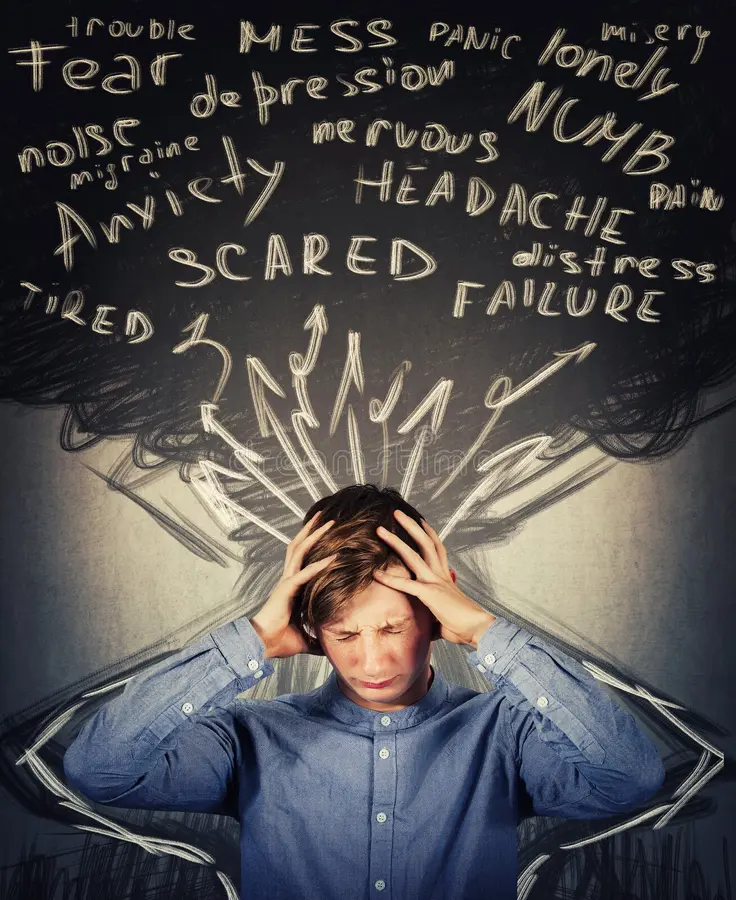
Failure can bring sadness, anger, shame, or frustration. These feelings are normal. You do not need to pretend that failure does not hurt.
Give yourself time to calm down. Avoid making important decisions while emotions are very strong. After that, look at the situation with a clear mind.
A calm review can help you see facts instead of only feelings. Ask what actually happened. Separate the event from your identity. You made a mistake. You are not the mistake.
Change Your Mindset About Failure
Your mindset changes how you respond to failure. A fixed mindset may tell you that ability cannot change. A growth mindset sees ability as something that can develop through effort, learning, and better strategies.
This does not mean that effort alone solves every problem. Good effort needs good direction. Sometimes you need feedback. Sometimes you need help. Sometimes you need a completely different method.
Recent research found that growth-mindset interventions can improve students’ beliefs about failure and support persistence during learning tasks.
Build a Growth Mindset
A growth mindset starts with better self-talk. Instead of saying, “I cannot do this,” try saying, “I cannot do this yet.”
That small word can change your attitude. It leaves space for improvement. You can learn. You can practice. You can ask questions. You can try again.
A growth mindset does not mean ignoring problems. It means believing that problems can teach you something.
Focus on Progress
Do not compare your progress only with other people. Compare your present self with your past self.
Maybe you were unable to complete a task last month. Today you can complete half of it. That is progress.
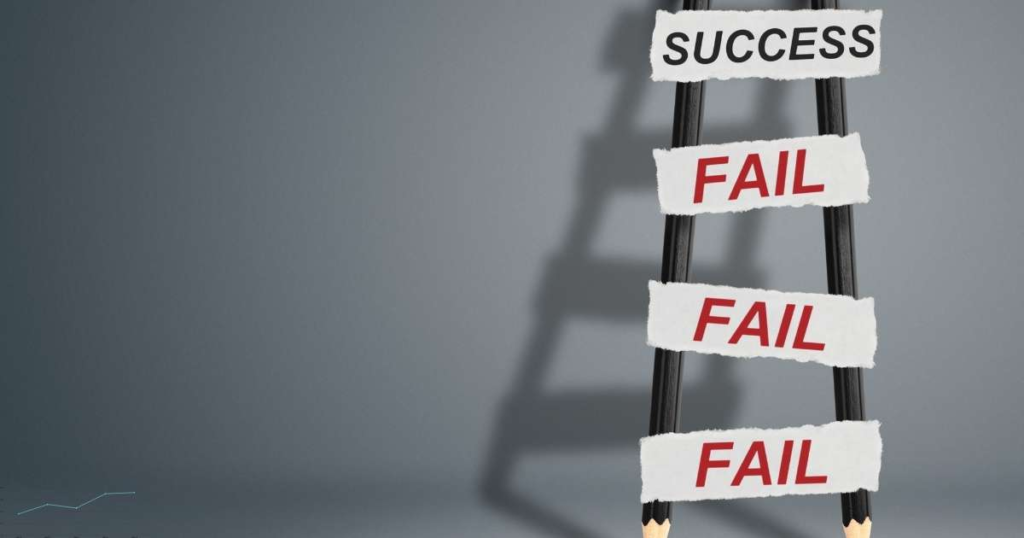
Small improvements matter. Progress is often slow. Success rarely appears in one giant jump. It is usually built through many small attempts.
How to Learn From Failure
Learning from failure requires action. Thinking about a mistake is useful, but changing your behavior is even more important.
Start with honesty. Do not blame everyone else. Do not blame yourself for everything either. Look for the real causes.
Then create a simple plan. Decide what you will do differently next time. Test the new approach. Watch the result. Adjust again if needed.
Accept What Happened
Acceptance does not mean that you like failure. It means you stop fighting the fact that it happened.
You cannot change yesterday. You can change your next decision.
Acceptance saves energy. Instead of asking, “Why did this happen to me?” you can ask, “What can I learn from this?”
That question moves your attention from the past to the future.
Find the Real Reason
A failure can have more than one cause. Maybe you did not prepare enough. Maybe your plan was weak. Maybe you lacked information. Maybe the timing was poor.
Write down the facts. Separate facts from guesses.
For example, if a project fails because it was delivered late, the lesson may be better time management. If customers reject a product, the lesson may be about customer research.
A useful review should identify a specific lesson rather than simply saying, “I failed.”
Change Your Strategy
Repeating the same action and expecting a different result is not a good learning method.If one strategy fails, try another. Ask someone experienced for advice. Study the problem again. Practice a smaller part of the skill.
Sometimes the goal is still correct, but the path is wrong. In that case, change the path.Learning from failure is closely connected with reflection, feedback, and seeking support.
Failure Can Build Confidence
Failure can make you stronger when you recover from it. Each difficult experience can teach you that you are capable of handling problems.
Confidence does not always come from winning. Sometimes confidence comes from knowing that you can survive a loss and start again.
A person who has faced setbacks may become more careful. They may plan better. They may ask better questions. They may become less afraid of challenges.
This is one reason resilience is important. Resilience does not mean never feeling disappointed. It means continuing after disappointment.

Become More Resilient
Resilience grows through practice. Start with small challenges.When something goes wrong, pause. Breathe. Think. Learn. Try again.
Do not expect yourself to recover instantly. Give yourself time. Talk with a trusted person when needed. Support can make difficult situations easier to understand.
Learning environments also benefit when people are encouraged to treat mistakes as information rather than personal failure.
Learn From Failure in Business
Business failure can be expensive. It can also be educational.A business owner may learn about customers, pricing, marketing, hiring, cash flow, or product quality through difficult experiences. The key is to record these lessons.
After a failed project, ask what worked and what did not. Look at customer feedback. Review the budget. Check the timeline. Study the decisions that were made.
Harvard Business Review has emphasized that organizations often want to learn from failure but struggle to turn failure reviews into real changes.
A business should not celebrate failure simply because it is failure. The useful goal is intelligent learning. A mistake becomes valuable when it produces better knowledge and better future action.
Learn From Failure in Daily Life
Failure is not limited to business or education. It appears in everyday life.You may fail to maintain a habit. You may waste money. You may miss an opportunity. You may argue with someone you care about. You may start a fitness goal and stop after a few weeks.
Each situation can teach you something.Maybe your goal was too large. Maybe your routine was unrealistic. Maybe you needed better planning.
Instead of quitting forever, make the next attempt smaller. A small restart is still a restart.Failure can also teach patience. Not every goal happens quickly. Some skills require months or years of practice.The important thing is to keep learning.
Conclusion:
Learning from failure is a powerful life skill. Failure can hurt, but it can also provide information that success sometimes cannot provide. The most important step is to examine what happened without allowing one mistake to define your identity.
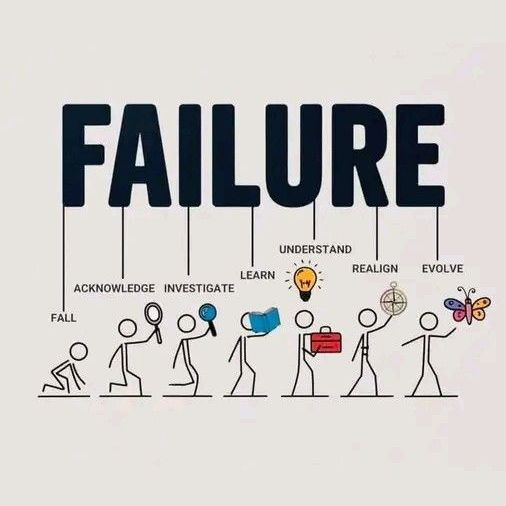
Accept the result. Find the reason. Learn the lesson. Change your strategy. Try again.
Do not fear every mistake. Fear repeating the same mistake without learning.
A growth mindset can help you see difficulty as part of development. Reflection can turn mistakes into knowledge. Persistence can help you use that knowledge in the future. Research supports the value of constructive reflection, persistence, and growth-oriented thinking when dealing with failure.
Your failure is not necessarily your ending. It can become a teacher. It can become a warning. It can become experience.
The next attempt may be better because of what happened today.
FAQs:
1. What does it mean to learn from failure?
Learning from failure means understanding what went wrong and using that information to improve your next attempt. It involves reflection, honesty, and action.
2. Why is failure important for growth?
Failure can reveal weaknesses, improve problem-solving, and encourage better strategies. It can also build resilience when you learn how to recover and continue.
3. How can I stop being afraid of failure?
Start by seeing failure as feedback rather than a judgment of your worth. Set small goals, accept mistakes, and focus on what you can learn from each experience.
4. Can failure make a person stronger?
Yes. A person can become more patient, careful, adaptable, and resilient after dealing with setbacks. The benefit comes from learning and changing, not from failure alone.
5. What should I do after failing?
Take a short break and calm yourself. Then review what happened, identify the main reason, decide what to change, and make another attempt with a better plan.