


Financial Discipline:
Money is an important part of everyday life. We use money to buy food, pay bills, support our families, learn new skills, run businesses, and plan for the future. However, earning money is only one part of financial success. The other important part is knowing how to manage money wisely.
This is where financial discipline becomes important. Financial discipline means making smart choices with your money, controlling unnecessary spending, saving regularly, and planning for the future.
What Is Financial Discipline?
Financial discipline is the ability to control your money instead of allowing your money to control you. It means making thoughtful financial decisions even when you have the chance to spend money quickly.
For example, imagine that you receive your monthly income and immediately spend most of it on shopping, eating outside, entertainment, or things you do not really need. At the end of the month, you may have nothing left for savings or unexpected expenses.

Why Financial Discipline Matters
Financial discipline matters because money problems often come from poor habits rather than a lack of income alone. A person may earn a good salary but still struggle if they spend without planning, use too much credit, or fail to save.
At the same time, someone with a modest income can build financial stability by spending carefully and saving consistently. This is why financial discipline is a powerful skill for people at every income level. It helps you prepare for emergencies, reach personal goals, manage debt, and avoid unnecessary financial pressure. Think of your money like water flowing through a pipe.
If there are many small leaks, the water disappears without you noticing. Unplanned shopping, unused subscriptions, frequent restaurant meals, and impulse purchases can act like those leaks. Financial discipline helps you find and close those leaks. Once you understand where your money goes, you can direct more of it toward things that truly matter to you.
Financial Discipline and Daily Habits
Financial discipline is built through daily actions. You do not suddenly become financially disciplined by reading one book or making one budget. Instead, you develop the habit slowly, just like building physical strength through regular exercise.
Simple actions can have a powerful effect when you repeat them consistently. Checking your bank balance, recording your expenses, avoiding unnecessary purchases, and saving a small amount each month can gradually improve your financial situation. The key is consistency rather than perfection.
You may make mistakes, and that is normal. The goal is to notice those mistakes and make better decisions next time. For example, if you spend too much one month, do not give up completely. Look at what happened, understand the reason, and adjust your plan. Financial discipline is a long-term journey, not a one-day challenge.
The Importance of Creating a Budget
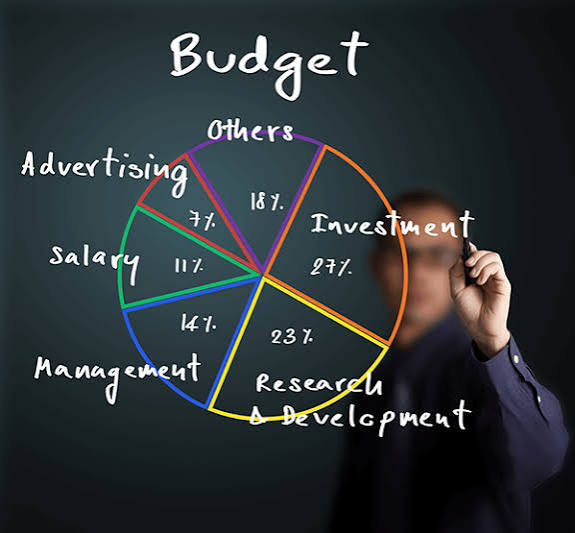
A budget is one of the simplest tools for developing financial discipline. A budget tells you how much money comes in and where that money should go. Without a budget, it is easy to spend money without realizing how quickly your income is disappearing.
You might think that small purchases do not matter, but many small expenses can become a large amount by the end of the month. A simple budget gives every part of your income a purpose. You can decide how much will go toward housing, food, transportation, bills, savings, debt payments, and personal spending. Your budget does not need to be complicated.
Even a basic notebook or spreadsheet can help you understand your financial situation. The most important thing is to create a plan that matches your real income and lifestyle. Do not make a budget that looks perfect on paper but is impossible to follow in real life. A useful budget should be realistic, flexible, and easy to understand.
How to Build a Simple Budget
The first step in creating a budget is to know your income. Write down the money you receive regularly from your job, business, freelance work, or other sources. Next, list your fixed expenses, such as rent, loan payments, school fees, and regular bills. Then write down variable expenses, such as food, transportation, shopping, and entertainment.
After that, decide how much you want to save each month. Once you see all these numbers, you can compare your income with your spending. If your expenses are higher than your income, you need to reduce spending or find ways to increase your income.
If you have money left after necessary expenses, you can direct some of it toward savings, investments, or financial goals. Review your budget regularly because your income and expenses may change. A budget is not a prison. It is a map that helps you reach your destination without getting lost.
Learn to Control Your Spending
Controlling spending is a major part of financial discipline. In today’s world, buying things has become easier than ever. Online stores, mobile apps, advertisements, and social media constantly show us products we may want to buy.
Sometimes we purchase things not because we need them but because we see someone else using them or because a sale creates a sense of urgency. Financial discipline teaches you to pause before making a purchase. Ask yourself whether the item is necessary, whether you can afford it, and whether it will still be useful after a few weeks or months.
This small pause can prevent many impulse purchases. You do not have to stop buying everything you enjoy. Instead, you should learn to spend intentionally. When you control your spending, you have more money available for important goals. You also gain the freedom to make choices based on your priorities rather than reacting to every advertisement or temptation.
Needs vs. Wants
One of the easiest ways to control spending is to understand the difference between needs and wants. Needs are things that are necessary for daily life, such as food, basic housing, essential clothing, transportation, and important bills.
Wants are things that can make life more enjoyable but are not essential, such as expensive gadgets, luxury clothing, frequent restaurant meals, or entertainment. There is nothing wrong with having wants. The problem starts when wants become more important than financial responsibilities. Before buying something, ask yourself, “Do I really need this right now?” You can also wait for 24 hours before buying something that is not urgent.
This simple waiting period can help you decide whether you truly want the item. Sometimes, after waiting, you may realize that you do not need it at all. By learning to separate needs from wants, you can enjoy your money while still protecting your financial future.

Build an Emergency Fund
Life does not always follow our plans. Unexpected events can happen at any time. You may suddenly need money for medical expenses, home repairs, family needs, job loss, or other emergencies. An emergency fund gives you financial protection when these situations occur.
Instead of immediately borrowing money or using expensive credit, you can use your savings to handle the problem. Building an emergency fund may seem difficult when your income is limited, but starting small is better than not starting at all. You can save a fixed amount every month, even if it is a small amount. Over time, these contributions can grow into a useful financial safety net.
Keep emergency savings separate from your everyday spending money so that you are less likely to use it for unnecessary purchases. The exact amount you need depends on your personal situation, income, and expenses. The main goal is to create a reserve that gives you more confidence when unexpected costs appear.
Avoid Unnecessary Debt
Debt can be useful in some situations, but too much debt can create serious financial pressure. Borrowing money may help you buy a home, invest in education, or grow a business, but high-interest debt for unnecessary purchases can become difficult to manage.
Financial discipline means understanding the difference between useful borrowing and careless borrowing. Before taking a loan or using credit, think carefully about how you will repay it. Do not focus only on the amount you are borrowing.
Consider the total cost, interest, fees, and repayment period. A purchase that seems affordable today may become expensive when interest is included. It is also important to avoid borrowing money simply to maintain a lifestyle that you cannot currently afford. Living within your means may not always look impressive, but it can give you something more valuable: financial freedom.
How to Manage Debt Wisely
If you already have debt, do not ignore it. Start by listing all your debts and understanding their interest rates and payment schedules. Make required payments on time to avoid additional charges and problems. If possible, focus extra money on high-interest debt while continuing to meet other required payments.
You can also look for ways to reduce unnecessary expenses and use the savings to pay down debt faster. Avoid taking new debt simply to cover old spending unless you fully understand the consequences. If your debt feels overwhelming, consider speaking with a qualified financial professional who can help you understand your options.
The important thing is to take action instead of allowing the problem to grow. Every payment you make toward reducing debt can bring you one step closer to greater financial control.
Make Saving a Regular Habit
Saving money becomes easier when you treat it as a regular habit instead of something you do only when you have extra cash. Many people say they will save whatever remains at the end of the month, but often nothing remains. A better approach is to decide on a savings amount when you receive your income. You can think of saving as paying your future self first.
Even a small amount can make a difference when you save consistently over a long period. For example, saving a small amount every month can create a useful fund for education, business plans, travel, emergencies, or future investments. The amount is less important than developing the habit. As your income grows, you can increase your savings.
You can also separate savings into different goals so that you know exactly what each amount is for. When saving becomes automatic and regular, it becomes a normal part of your financial life rather than a difficult decision you must make every month.
Set Clear Financial Goals
Financial discipline becomes much easier when you have clear goals. Saving money without knowing why you are saving can feel boring or difficult. A goal gives your money a purpose. Your goal might be to build an emergency fund, pay off debt, buy a home, start a business, pay for education, or prepare for retirement. Write down your goals and decide how much money you need and when you want to achieve them. Break large goals into smaller monthly or weekly steps.
For example, if you want to save a certain amount within one year, calculate how much you need to save each month. This makes a large goal feel more manageable. You can also review your progress regularly and celebrate small achievements. Remember that financial goals can change as your life changes. The important thing is to have a direction and keep moving toward it.

Financial Discipline in Business
Financial discipline is not only important for personal money management. It is also essential for business success. A business can have excellent products and many customers but still struggle if its financial management is poor. Business owners need to understand cash flow, expenses, revenue, taxes, salaries, debt, and future investments.
Keeping personal and business money separate is one of the first steps toward better financial discipline. Business owners should also create budgets and regularly review financial records. Spending should be connected to a clear business purpose. For example, buying new equipment may make sense if it improves productivity, but spending money on unnecessary items can reduce cash available for important needs. A disciplined business owner does not simply look at sales. They also look at profit, cash flow, costs, and financial risks. Good financial habits help a business remain strong during difficult periods and take advantage of opportunities when they appear.
A small business can think of financial discipline as the foundation of a building. Customers, marketing, employees, and products may be the visible parts of the business, but the financial foundation supports everything underneath. If the foundation is weak, the business can become unstable. This is why entrepreneurs should regularly check their numbers and avoid mixing emotions with financial decisions.
A business owner may love a new idea, but that does not automatically mean the idea is financially wise. Before making a major investment, ask questions about cost, expected return, risk, and cash flow. Careful financial decisions can protect a business and create a stronger path for long-term growth.

Conclusion
Financial discipline is a simple but powerful skill that can improve your personal life and business future. It starts with understanding where your money comes from and where it goes. From there, you can create a realistic budget, control unnecessary spending, build emergency savings, manage debt, and set clear financial goals.
You do not need to become perfect with money overnight. Small improvements repeated over time can create meaningful results. The most important step is to start with one habit and build from there. Maybe you begin by tracking your expenses today, creating a budget this week, or saving a small amount from your next income.
Frequently Asked Questions:
1. What is financial discipline in simple words?
Financial discipline means managing your money carefully and making smart financial choices. It includes spending less than you earn, saving regularly, controlling unnecessary purchases, managing debt, and planning for future needs.
2. Why is financial discipline important?
Financial discipline is important because it helps reduce money-related stress and prepares you for unexpected expenses. It can also help you achieve goals such as buying a home, starting a business, paying off debt, or building long-term savings.
3. How can I improve my financial discipline?
You can improve financial discipline by creating a budget, tracking expenses, saving regularly, avoiding unnecessary debt, and thinking carefully before making purchases. Start with small changes and repeat them consistently.
4. Is financial discipline only for people with high incomes?
No. Financial discipline is useful for everyone, regardless of income level. A person with a small income can still develop good financial habits by managing expenses, saving what they can, and avoiding unnecessary spending.
5. What is the first step toward financial discipline?
The first step is to understand your current financial situation. Write down your income, regular expenses, debts, and savings. Once you know where your money is going, you can create a realistic plan to manage it better.