


Remote Work in Business:
1. Flexibility and Freedom
Remote work gives employees the freedom to choose where and sometimes when they work. This flexibility often leads to higher job satisfaction and improved morale. Instead of being tied to a rigid 9-to-5 schedule, people can structure their day around peak productivity hours. For businesses, happier employees usually translate into better performance and lower turnover.

2. Increased Productivity
Contrary to old beliefs, many remote workers are actually more productive. Without office distractions like constant meetings or interruptions, employees can focus better on their tasks. Studies have shown noticeable productivity gains when people work in comfortable, personalized environments. Businesses benefit from more efficient workflows and faster output.
3. Cost Savings for Companies
Remote work significantly reduces overhead costs. Companies save money on office rent, utilities, and supplies. These savings can be reinvested into growth areas like technology or employee benefits. It’s a practical way for businesses to operate leaner while maintaining effectiveness.
4. Work-Life Balance
One of the biggest advantages of remote work is better work-life balance. Employees can spend more time with family, reduce commuting stress, and manage personal responsibilities more easily. However, maintaining boundaries is essential to avoid overworking. A balanced employee is typically more engaged and productive.

5. Communication Challenges
Remote work can make communication more complex. Without face-to-face interaction, misunderstandings can happen more easily. Businesses rely heavily on digital tools like Slack, Zoom, or email to stay connected. Clear communication strategies are essential for success.
6. Access to Global Talent
Companies are no longer limited by location when hiring. Remote work allows businesses to recruit talent from anywhere in the world. This leads to more diverse teams and access to specialized skills. It also gives companies a competitive advantage in hiring.
7. Technology Dependence
Remote work depends heavily on technology. Reliable internet, collaboration tools, and cloud systems are essential for daily operations. While technology enables efficiency, it also requires regular updates and maintenance. Businesses must invest in the right tools to stay competitive.

8. Employee Isolation
Working remotely can sometimes feel isolating. Without social interaction in an office, employees may feel disconnected from their team. Companies can address this through virtual meetings, team-building activities, and regular check-ins. Maintaining human connection is key.
9. Cybersecurity Risks
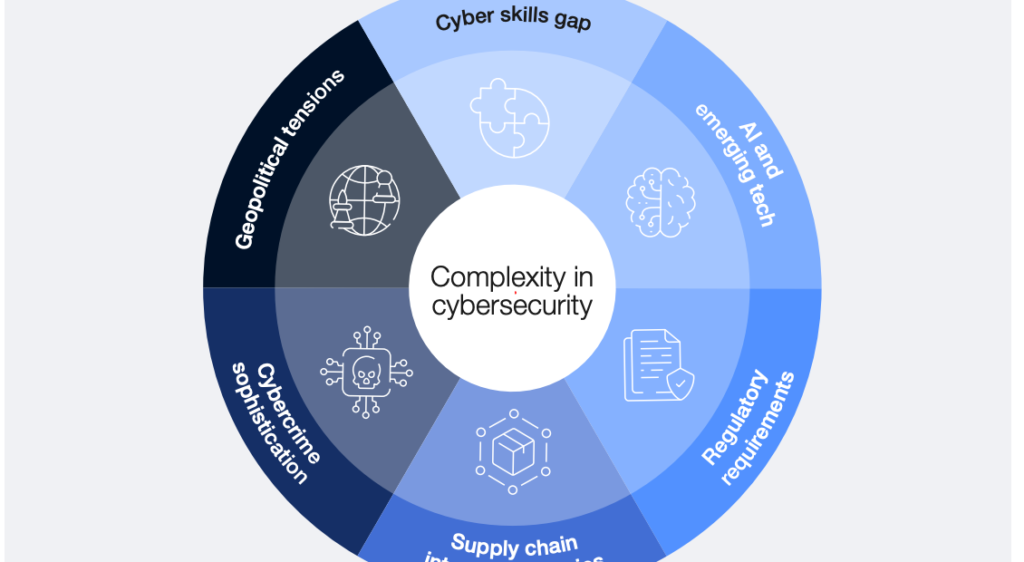
Remote work increases exposure to cybersecurity threats. Employees accessing company systems from different locations can create vulnerabilities. Businesses must implement strong security measures like VPNs and data encryption. Training employees on safe practices is equally important.
10. Future of Remote Work
Remote work is here to stay and continues to evolve. Many businesses are adopting hybrid models that combine remote and in-office work. This approach offers the best of both worlds—flexibility and collaboration. The future workplace will likely be more adaptable and technology-driven.
Conclusion:
Remote work has moved from being a temporary solution to becoming a defining feature of modern business. It has reshaped how companies operate, how employees engage with their work, and how success is measured.
Instead of focusing on where work happens, businesses are now prioritizing results, efficiency, and employee well-being. This shift has created a more flexible and dynamic work environment that aligns with the expectations of today’s workforce.
FAQs:
1. What is remote work in business?
Remote work in business refers to employees performing their job duties outside a traditional office, often from home or any location using digital tools and internet connectivity.
2. Is remote work more productive than office work?
In many cases, yes. Remote work can increase productivity due to fewer distractions and flexible schedules, though it depends on the individual and work environment.
3. What are the biggest challenges of remote work?
Common challenges include communication gaps, employee isolation, time zone differences, and maintaining accountability.
4. How do companies manage remote teams effectively?
Businesses use tools like video conferencing, project management software, and regular check-ins to ensure clear communication and productivity.
5. Is remote work the future of business?
Yes, remote work is expected to remain a major part of business, especially with the rise of hybrid work models combining remote and in-office work.
Explore more on my Patreon.