


Mindset and Skills in Entrepreneurship
Entrepreneurship is more than starting a business. It is about having the right entrepreneurial mindset and developing the skills needed to solve problems, create value, and achieve long-term success. While business knowledge is important, an entrepreneur’s attitude and abilities often determine whether a venture succeeds or fails.
1. Growth Mindset
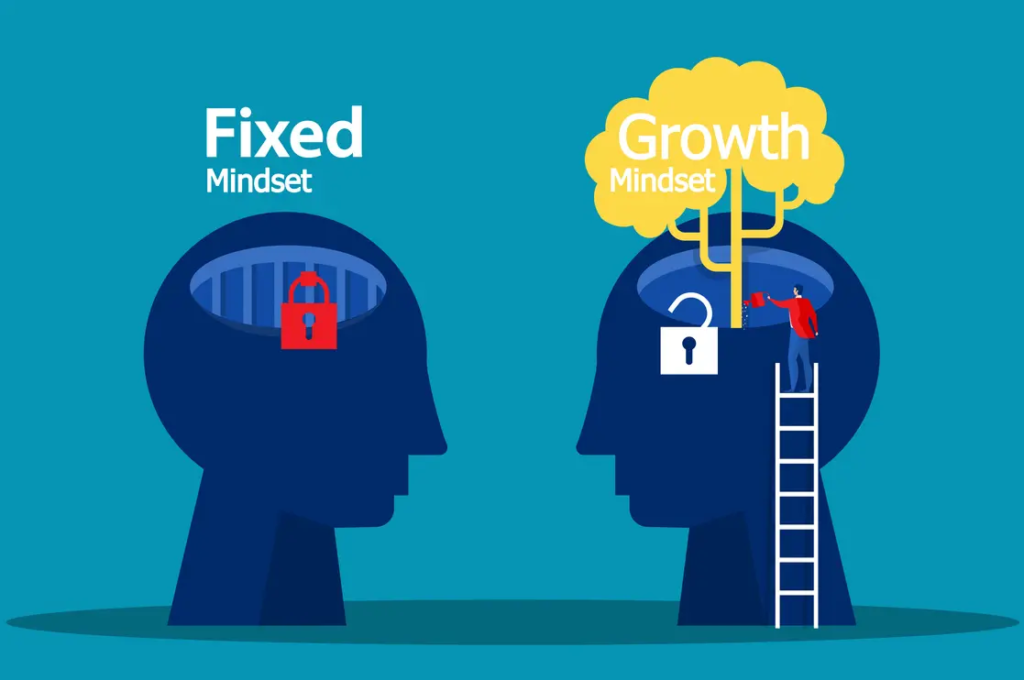
A growth mindset is the belief that abilities can improve through learning and hard work. Entrepreneurs with this mindset view challenges as opportunities to grow rather than obstacles. They continuously seek new knowledge, accept feedback, and adapt to changing market conditions.
2. Vision and Goal Setting
Successful entrepreneurs have a clear vision of what they want to achieve. They set realistic goals, create action plans, and stay focused on their objectives. A strong vision helps guide business decisions and motivates teams to work toward a common purpose.
3. Creativity and Innovation
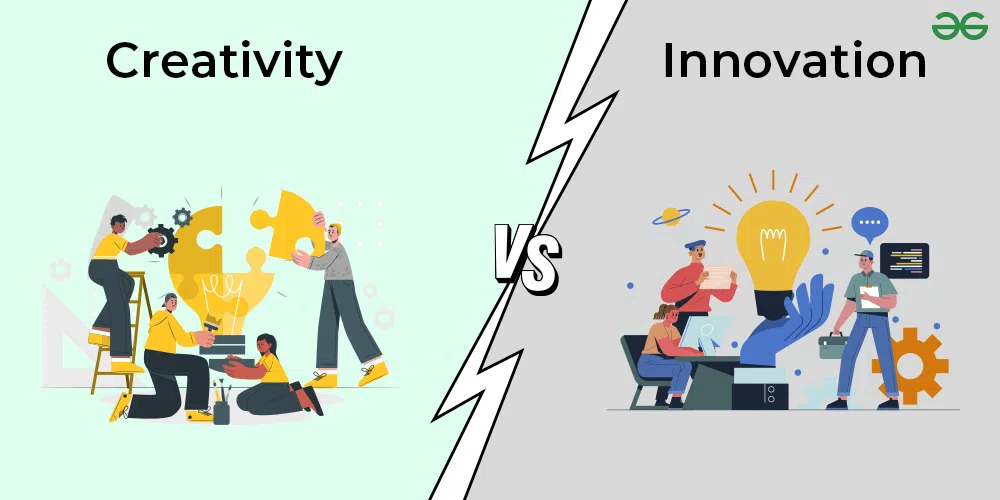
Innovation is the heart of entrepreneurship. Creative entrepreneurs generate unique ideas, improve existing products, and find better ways to meet customer needs. Thinking outside the box helps businesses stay competitive in dynamic markets.
4. Leadership Skills
Leadership enables entrepreneurs to inspire, guide, and motivate their teams. Good leaders communicate clearly, delegate responsibilities, and build trust among employees. Strong leadership creates a positive work culture and improves productivity.
5. Communication Skills
Effective communication is essential for dealing with customers, investors, employees, and business partners. Entrepreneurs who express their ideas clearly build stronger relationships and reduce misunderstandings. Good listening skills are equally important for understanding customer needs.
6. Problem-Solving Ability
Every business faces challenges, from financial issues to customer complaints. Successful entrepreneurs analyze problems carefully, evaluate possible solutions, and make informed decisions. Strong problem-solving skills help businesses overcome obstacles and continue growing.

7. Financial Management
Understanding finance is crucial for business success. Entrepreneurs should know how to prepare budgets, manage cash flow, control expenses, and make profitable investment decisions. Sound financial management ensures business stability and sustainable growth.
8. Risk-Taking and Resilience
Entrepreneurship involves uncertainty and calculated risks. Successful entrepreneurs are willing to take smart risks while preparing for possible setbacks. Resilience allows them to recover from failures, learn valuable lessons, and keep moving forward.

Conclusion:
The combination of the right entrepreneurial mindset and essential business skills forms the foundation of a successful enterprise. Entrepreneurs who embrace continuous learning, effective leadership, creativity, communication, and resilience are better prepared to face challenges and seize new opportunities. Developing these qualities over time increases the chances of building a sustainable and profitable business.
FAQs:
1. What is an entrepreneurial mindset?
An entrepreneurial mindset is a way of thinking that focuses on identifying opportunities, solving problems, taking calculated risks, and continuously learning to achieve business success.
2. Why are skills important in entrepreneurship?
Entrepreneurial skills such as communication, leadership, financial management, and problem-solving help business owners make better decisions and grow their businesses effectively.
3. Can entrepreneurial skills be learned?
Yes. Most entrepreneurial skills can be developed through education, practical experience, mentorship, and continuous learning.
4. What is the difference between mindset and skills in entrepreneurship?
A mindset refers to an entrepreneur’s attitude, beliefs, and way of thinking, while skills are the practical abilities used to manage and grow a business successfully.
5. Which skill is most important for an entrepreneur?
There is no single most important skill, but leadership, communication, decision-making, adaptability, and financial management are among the most valuable for long-term success.