


Introduction:
The environment has a major effect on business. Every business depends on natural resources, energy, water, workers, transport, and raw materials. When the environment changes, business activities can also change. Climate change, pollution, floods, droughts, extreme heat, and resource shortages can create problems for companies.
Environmental issues are not only problems for governments or communities. They are also business issues. A company may lose money because of damaged property, higher energy costs, supply delays, or fewer customers. At the same time, environmental changes can create new opportunities for businesses that offer green and sustainable products.
What Are Environmental Effects on Business?
Environmental effects on business mean the ways that environmental conditions influence a company’s work. These effects can be direct or indirect.For example, a flood can directly damage a shop, office, or factory. A drought can indirectly increase the price of food and raw materials. Extreme heat can make it harder for workers to complete their jobs.
Almost every industry can feel environmental effects. Farmers depend on weather and water. Factories need energy and raw materials. Restaurants need food supplies. Transport companies depend on roads and fuel. Tourism businesses depend on clean and attractive natural areas.This is why businesses need to understand environmental risks.
Climate Change and Business
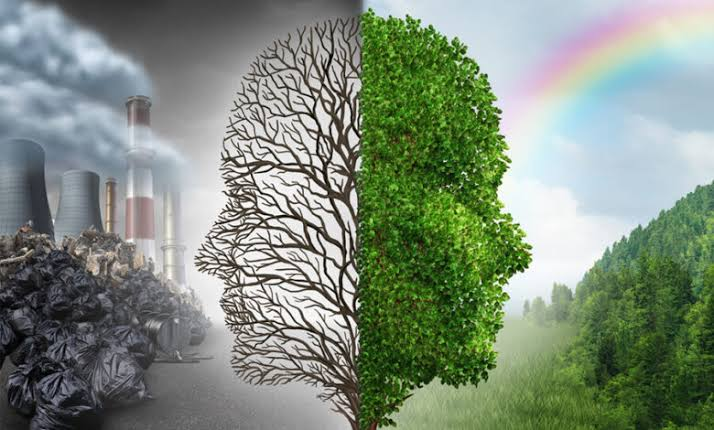
Climate change is one of the biggest environmental challenges for businesses. Rising temperatures and changing weather patterns can affect many business activities.Extreme heat can make working conditions difficult. Outdoor workers may become tired more quickly. Factories and offices may also need more electricity for cooling.
Floods can cause even bigger problems. They can damage buildings, machines, products, roads, and warehouses. A business may have to stop its work until repairs are completed.Drought can also affect businesses. It can reduce agricultural production and make water more expensive. Businesses that depend on crops or water can face higher costs.
Higher Business Costs
Environmental problems can increase business expenses. Companies may spend more money on electricity, water, transportation, repairs, insurance, and raw materials.For example, a company may need more electricity during a heatwave. A farm may need extra water during a dry season. A factory may need to repair equipment after a flood.
Higher costs can reduce profits. Small businesses can face greater pressure because they may not have large financial reserves.Businesses can reduce some costs by using resources carefully. Energy-efficient machines, better lighting, water-saving systems, and regular maintenance can help.
Supply Chain Problems
Businesses usually depend on suppliers and transport services. Environmental problems can interrupt these supply chains.A flood can close a road. A storm can damage a port. A drought can reduce crop production. Extreme weather can delay transportation.
When products or materials arrive late, a business may not be able to complete customer orders. This can cause lost sales and unhappy customers.Companies can reduce this risk by working with more than one supplier. They can also keep important materials in stock and prepare plans for emergencies.
Pollution and Business
Pollution is another important environmental issue. Businesses can create air pollution, water pollution, noise pollution, and waste.Too much pollution can create health problems and damage local communities. Companies may also face fines and cleanup costs if they do not follow environmental rules.
Pollution can also hurt a company’s reputation. Customers may stop buying from a business if they believe it is harming the environment.Businesses should manage waste properly and reduce pollution wherever possible. Good environmental practices can protect nature and improve public trust.
Customers and the Environment
Customers are becoming more aware of environmental issues. Many people want products that are safe, useful, and responsible.Some customers prefer products with less plastic packaging. Others may look for recyclable materials, energy-efficient products, or responsibly produced goods.
This creates an opportunity for businesses. Companies can develop products that solve environmental problems. They can also use sustainable packaging and reduce unnecessary waste.However, businesses should be honest about their environmental claims. Real action is more valuable than advertising that only sounds green.

Employees and the Environment
Environmental conditions can also affect workers. Extreme heat, poor air quality, floods, and other problems can make workplaces unsafe.When employees feel uncomfortable or unsafe, productivity may decrease. Businesses may also experience more employee absences.
Companies can help by providing clean workplaces, proper ventilation, drinking water, safety equipment, and suitable working conditions.A safe workplace is good for employees and good for business.
Environmental Rules
Governments create environmental rules to protect nature and public health. Businesses may need to follow rules about waste, emissions, water, energy, and production.Following these rules may require investment. A company might need new equipment or better waste management systems.
However, these changes can also provide long-term benefits. Reducing waste and energy use can lower costs. Following environmental rules can also protect a company’s reputation.Businesses should understand the environmental laws that apply to their industry and location.
Green Business Opportunities
Environmental problems can create new business opportunities. Entrepreneurs can develop products and services that help protect the environment.
Examples include green business slike as solar energy, recycling services, electric vehicles, sustainable packaging, water-saving products, green construction, and energy-efficient technology.
A business can turn an environmental challenge into a useful product. For example, plastic waste creates opportunities for reusable packaging. High energy costs create demand for energy-saving products.This shows that environmental responsibility can support business innovation.

How Businesses Can Help the Environment
Businesses can take simple steps to reduce their environmental impact. They can start by measuring their use of energy, water, fuel, and materials.Companies can reduce unnecessary electricity use. They can repair water leaks. They can reduce paper and plastic waste. They can recycle suitable materials.
Businesses can also encourage employees to follow simple environmental practices. Small actions can create large results when many people work together.
Conclusion:
The environmental effect on business is becoming more important every day. Climate change, pollution, extreme weather, resource shortages, and environmental rules can affect business costs, workers, customers, supply chains, and profits.
Businesses should prepare for environmental risks instead of waiting for problems to happen. They can save resources, reduce waste, improve efficiency, and create environmentally friendly products.
A successful business needs a healthy environment. By caring for the environment today, businesses can create a stronger and more stable future.
FAQs:
1. What are environmental effects on business?
Environmental effects are the ways climate, pollution, natural resources, weather, and environmental rules influence business activities.
2. How does climate change affect businesses?
Climate change can cause extreme heat, floods, droughts, supply problems, higher costs, and damage to business property.
3. Can businesses benefit from environmental protection?
Yes. Businesses can save money, improve their reputation, attract customers, and create new products by using resources responsibly.
4. What is a green business?
A green business tries to reduce its environmental impact while providing useful products or services.
5. How can a small business protect the environment?
A small business can save energy and water, reduce waste, use less plastic, recycle materials, and choose efficient equipment.