

Agritech and Biotech Entrepreneurship:
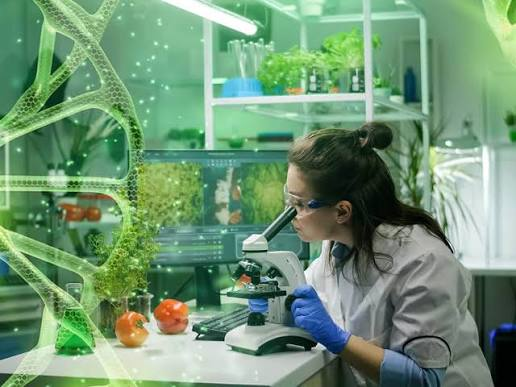
Agritech and biotech entrepreneurship are transforming the way people produce food, manage farms, and improve human health. These innovative sectors combine science, technology, and business to solve real-world challenges. Entrepreneurs in these fields create solutions that increase agricultural productivity, improve crop quality, and develop new biological products that benefit society.
Agritech Entrepreneurship
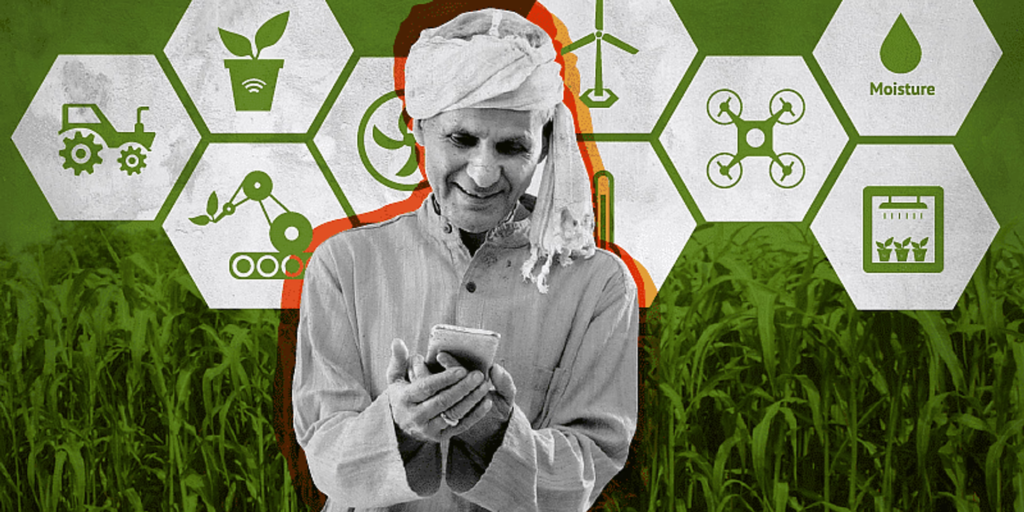
Agritech entrepreneurship focuses on using technology to improve agricultural processes. Entrepreneurs develop smart farming tools, precision agriculture systems, drones, automated irrigation solutions, and data-driven farming applications. These innovations help farmers reduce costs, increase yields, and make better decisions based on real-time information.
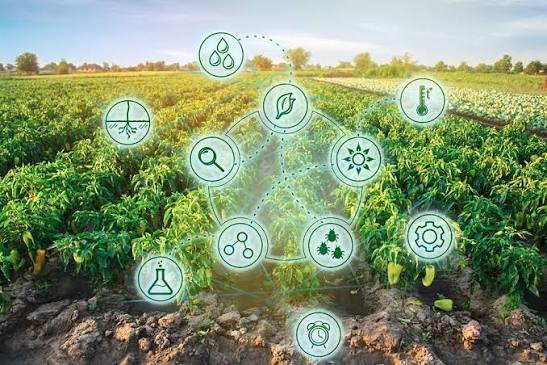
Some key agritech innovations include:
- Smart irrigation systems
- Agricultural drones
- Precision farming software
- Automated harvesting equipment
- Soil and crop monitoring technologies
Biotech Entrepreneurship
Biotech entrepreneurship involves creating businesses that use biological science to develop products and services. These ventures work in areas such as healthcare, agriculture, environmental protection, and industrial manufacturing. Biotechnology entrepreneurs often focus on research-based innovations that solve complex biological challenges.

Popular biotech fields include:
- Genetic engineering
- Medical diagnostics
- Vaccine development
- Biofertilizers
- Sustainable biofuels
Benefits of Agritech and Biotech Entrepreneurship
Both sectors contribute significantly to economic growth and sustainability. They create employment opportunities, improve food security, and support environmental conservation. By introducing innovative products and services, entrepreneurs help industries become more efficient and competitive.
Key benefits include:
- Increased agricultural productivity
- Improved healthcare solutions
- Sustainable resource management
- Job creation and economic development
- Enhanced food quality and safety
Challenges Faced by Entrepreneurs
Despite their potential, agritech and biotech entrepreneurs face several challenges. These include high research and development costs, regulatory requirements, limited funding, and the need for specialized expertise. Success often requires strong partnerships between scientists, investors, and business leaders.
Future Opportunities
The future of agritech and biotech entrepreneurship is promising. Growing populations, climate change concerns, and increasing demand for sustainable solutions are creating new market opportunities. Entrepreneurs who invest in innovation and technology can play a vital role in shaping a healthier and more sustainable future.
Conclusion:
Agritech and biotech entrepreneurship are driving innovation across agriculture and life sciences. By combining technology, scientific knowledge, and business strategies, entrepreneurs can address global challenges while creating profitable ventures. As demand for sustainable solutions continues to grow, these sectors will remain important engines of economic and social progress.
FAQs:
1. What is agritech entrepreneurship?
Agritech entrepreneurship involves using technology and innovation to improve farming and agricultural productivity.
2. What is biotech entrepreneurship?
Biotech entrepreneurship focuses on developing products and services based on biological science and biotechnology.
3. Why are agritech startups important?
They help increase crop yields, reduce farming costs, and promote sustainable agriculture.
4. What challenges do biotech entrepreneurs face?
Common challenges include high research costs, strict regulations, and lengthy product development processes.
5. What are the future opportunities in agritech and biotech?
Growing demand for sustainable food production, healthcare innovations, and environmental solutions creates significant opportunities.