
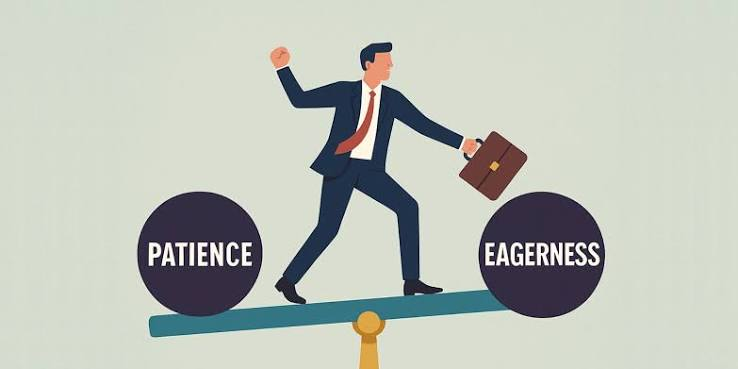

Why Patience Matters for Long-Term Success:
Business success rarely happens overnight. Many people start a business with big dreams. They want quick sales, fast growth, and high profits. When these results do not come quickly, they may feel worried. Some may change their plans too often. Others may spend money without careful thought. This is where patience in business becomes very important. Patience helps a business owner stay focused when results take time. It also helps people make better choices during difficult periods. Research on entrepreneurship has found that impatience can hurt entrepreneurial performance through weaker planning, under-investment, and a strong desire to act too quickly.
What Is Patience in Business?
Patience in business means being willing to wait for useful results while continuing to take smart action. It does not mean sitting still or ignoring problems. A patient business owner keeps working while giving a plan enough time to produce results. For example, a new website may not receive many visitors in the first month. A patient owner will improve the website instead of giving up immediately.
The same idea can apply to marketing, customer relationships, product development, and employee training. Patience gives business owners time to understand what works and what needs improvement. Business decisions often happen under uncertainty, pressure, and risk, so calm thinking can be valuable.

Patience and Long-Term Thinking
Long-term thinking is closely connected with patience. A business should not always focus on today’s results. A strong business also thinks about next year and the years after that. A customer may buy once today, but good service can turn that customer into a regular buyer. A new employee may need time to learn the business.
A new product may need several improvements before customers accept it. Patient owners understand these natural delays. They do not judge every idea by one day’s result. They look for steady progress instead of instant success. This approach can help a business build a stronger foundation.
Why Patience Is Important in Business
Patience helps business owners avoid emotional decisions. A difficult week does not always mean that a business plan has failed. A slow month does not always mean that a product is bad. Markets can change. Customers can take time to trust a new company. Marketing campaigns can also need testing before they produce strong results.
Research into entrepreneurial decision-making highlights how uncertainty and time pressure can affect important business choices. Patience gives owners space to collect information and think clearly. It can also reduce the temptation to make a major decision based only on fear.
Patience Helps Better Decision Making
Good decisions often need time. A business owner may receive an exciting offer. The offer may look profitable at first. But a careful owner will check the costs, risks, and possible benefits before saying yes. Patience creates room for questions. It allows a person to compare different choices. Research involving managers has also examined how patience and cognitive reflection relate to decisions involving uncertainty and delayed rewards. A calm decision can protect a business from unnecessary mistakes.
Think Before You Act
Thinking before acting is a simple business habit. When emotions are high, people may react too quickly. A customer complaint can make an owner angry. A sales drop can create fear. A competitor’s new product can create pressure. Instead of reacting immediately, a patient owner can pause and ask what is really happening. What caused the problem? What information is missing? What action can solve it? This short pause can prevent a small problem from becoming a larger one.
Patience Builds Strong Business Relationships
Business depends heavily on people. Customers, employees, suppliers, partners, and investors all need time to build trust. Trust does not usually appear after one conversation. It grows through repeated actions. A business that keeps its promises can create a good reputation.
A patient owner also listens to customers instead of becoming angry when they have questions. Employees may make mistakes while learning. Good managers correct those mistakes and give people a chance to improve. Strong relationships can become one of the most valuable assets of a business.
Patience and Business Growth
Business growth can be slow. Some companies grow quickly, while others need many years. Comparing your business with another company can create unnecessary pressure. A company may appear successful from the outside, but you may not know its full story. It may have different resources, experience, customers, or market conditions. Patient growth focuses on building useful systems. It can include better products, stronger customer service, improved marketing, and better financial control. These small improvements can support larger results over time.

Avoiding Quick Results
Quick results can be attractive. Everyone likes fast sales and immediate profits. But chasing quick results can create problems. A business owner may offer very large discounts just to increase sales. The business may gain customers but lose money. Another owner may buy expensive equipment before understanding demand. A third may launch many products without testing any of them properly. Patience encourages a better approach. Test an idea, study the result, improve it, and then invest more when the evidence supports the decision.
Learning From Slow Progress
Slow progress is not always bad progress. A business may gain ten new customers this month instead of one hundred. Those ten customers can still provide valuable feedback. They can explain what they like and what they dislike. Their feedback can help improve the product. Their questions can reveal new market needs. Slow growth can sometimes give a business more time to build strong systems. Patience helps an owner see lessons inside small results.
Patience During Business Problems
Every business faces problems. Sales may fall. Costs may increase. A supplier may delay an order. A customer may leave. A product may fail. These moments can test the owner’s patience. The wrong reaction can make the situation worse. A calm owner can separate the problem from the emotion. They can identify the cause and choose a practical response. Entrepreneurial research describes business decision-making as a process that often involves uncertainty, emotional pressure, and important consequences. Patience can help owners handle such pressure with greater care.

Staying Calm Under Pressure
Staying calm does not mean ignoring urgency. Some problems need immediate action. Patience means acting with control rather than panic. For example, if a customer reports a serious problem, the owner should respond quickly. But the response should still be respectful and thoughtful. Anger may feel natural, but it rarely improves a business relationship. A calm response can protect trust. It can also help the owner find a better solution.
How to Build Patience in Business
Patience is a skill that can improve with practice. Business owners can create habits that encourage calm thinking. One useful habit is to set clear goals with realistic time frames. Another is to review progress regularly instead of checking results every hour. It is also useful to keep records. Numbers can show whether the business is improving even when progress feels slow. Taking time to learn from mistakes can also build patience. Waiting becomes easier when you have a clear reason for waiting.
Set Realistic Goals
Realistic goals make patience easier. If an owner expects a new business to become highly profitable in a few weeks, disappointment may come quickly. A better goal could be to gain a certain number of customers, improve the website, build a social media audience, or reach a specific sales level within a reasonable period. Goals should be measurable. They should also allow time for learning. A realistic plan creates less pressure. It gives the business room to develop naturally.

Patience With Customers and Employees
Customers do not all behave in the same way. Some customers make quick decisions. Others need more information. Some ask many questions before buying. A patient business owner understands these differences. Good communication can turn uncertainty into trust. Employees also need patience. New workers may need training before they become highly productive. Managers who teach clearly and provide useful feedback can help employees improve. A workplace built on patience can become more comfortable and productive.
Patience and Financial Management
Money is one area where patience matters greatly. Business owners may want to spend profits quickly. They may buy unnecessary equipment or increase expenses too early. A patient approach gives the business time to build financial strength. Saving part of the profit can create a useful safety cushion. Careful budgeting can also reduce pressure during slow periods. Patience can encourage owners to focus on sustainable profit instead of short-term appearance. It can also help them avoid risky financial decisions made because of excitement or fear.

Patience and Entrepreneurship
Entrepreneurs often have strong ideas and energy. These qualities are useful. But energy without patience can lead to rushed decisions. An entrepreneur may launch a product before testing it. They may change the business model after a small setback. They may quit because the first few months are difficult. Recent research on entrepreneurship has specifically linked impatience with weaker entrepreneurial outcomes, including lower earnings and problems connected with planning and investment. Patience helps entrepreneurs stay committed while remaining open to improvement.
Common Mistakes Caused by Impatience
Impatience can create many business problems. One common mistake is changing direction too often. Another is spending money before understanding the market. Some owners hire too quickly because they want immediate growth. Others copy competitors without studying their own customers. Impatience can also damage customer relationships. An owner who wants instant results may pressure customers or employees. These actions can reduce trust. A patient owner gives important decisions enough time and attention.

Conclusion:
Patience in business is a powerful habit. It helps owners make thoughtful decisions, manage pressure, build relationships, and focus on long-term growth. Patience does not mean waiting without action. It means taking the right action while understanding that valuable results often need time. A new product may need testing. A new employee may need training. A new customer may need time to trust the brand. A business may need months or years to become strong. Research on entrepreneurial behavior supports the idea that impatience can create problems for planning, investment, and business performance. When business owners combine patience with hard work, learning, and good planning, they give their businesses a better chance to grow in a stable way.
FAQs:
1. Why is patience important in business?
Patience helps business owners avoid rushed decisions. It gives them time to learn from results and improve their plans. It also supports better relationships with customers, employees, and partners.
2. Does patience mean waiting for business success?
No. Patience does not mean doing nothing. It means continuing useful work while giving a business plan enough time to produce meaningful results.
3. How can I become more patient in business?
Set realistic goals and review progress at regular times. Avoid making major decisions when you are angry or afraid. Learn from small results and focus on steady improvement.
4. Can impatience hurt a business?
Yes. Impatience can lead to rushed spending, poor planning, frequent strategy changes, and weak decisions. Research has found links between entrepreneurial impatience and poorer business outcomes.
5. What is the best example of patience in business?
A simple example is continuing to improve a new product after early sales are slow. Instead of giving up immediately, the owner studies customer feedback, improves the product, and keeps working toward a better result.