

Definition and Importance:
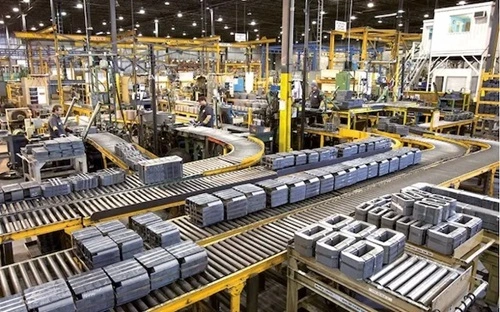
Manufacturing business refers to the process of producing goods from raw materials using labor, machines, and tools. It plays a vital role in shaping modern economies by creating products that people use daily, from clothing to electronics. Without manufacturing, industries like retail, healthcare, and transportation would struggle to function effectively. It is one of the strongest pillars of industrial development and economic growth.
This sector is important because it adds value to raw materials and transforms them into usable goods. For example, wood becomes furniture, and steel becomes automobiles. This transformation not only creates products but also generates employment opportunities and drives innovation. Many countries rely heavily on manufacturing to boost exports and improve their GDP.

Role in the Economy
Manufacturing contributes significantly to economic development by creating jobs and supporting other industries. It acts as a backbone for supply chains, ensuring that products move from producers to consumers smoothly. When manufacturing grows, related sectors such as logistics, marketing, and retail also benefit.
One of the biggest advantages of manufacturing is its multiplier effect. This means that one manufacturing job can create multiple jobs in other sectors. For example, a factory worker’s income supports local businesses like shops and services, boosting the local economy. Governments often support manufacturing industries because of this wide-reaching impact.
Manufacturing also plays a crucial role in exports. Countries that produce high-quality goods can sell them internationally, earning foreign exchange and strengthening their economies. This is why nations invest heavily in improving their manufacturing capabilities and technologies.
Types of Manufacturing
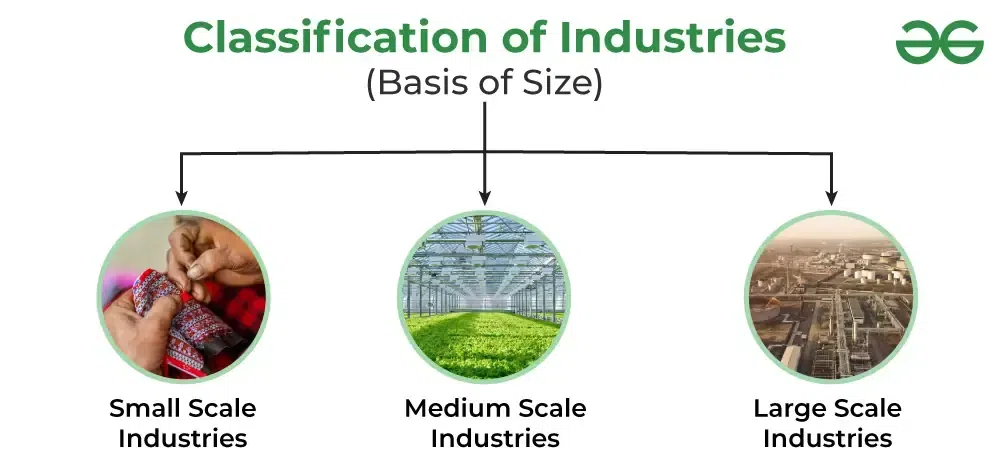
Small-Scale Manufacturing
Small-scale manufacturing businesses operate with limited resources and produce goods in smaller quantities. These businesses are often run by individuals or small teams and focus on niche markets. Examples include handmade crafts, local food production, and custom clothing.
One of the biggest advantages of small-scale manufacturing is flexibility. Owners can quickly adapt to market changes and customer preferences. This allows them to offer personalized products, which can be a strong selling point. Additionally, startup costs are usually lower compared to large-scale operations.
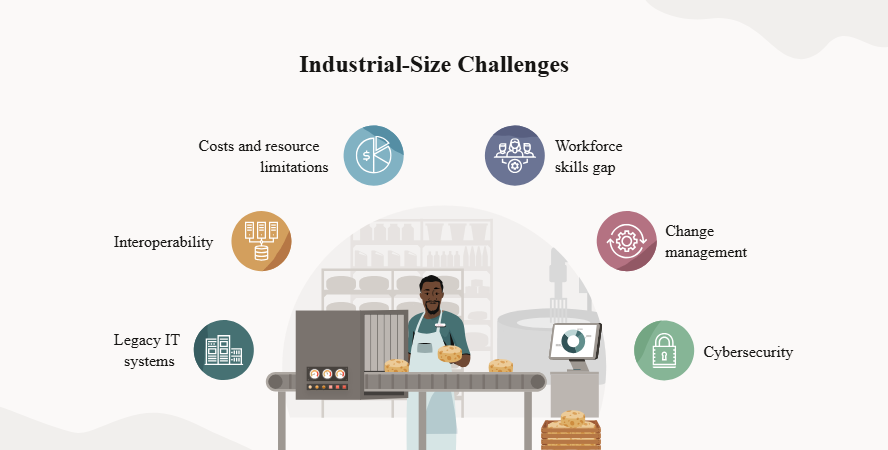
However, small-scale manufacturers may face challenges such as limited production capacity and higher per-unit costs. Competing with larger companies can be difficult, especially in terms of pricing and distribution. Despite these challenges, many small businesses succeed by focusing on quality, uniqueness, and customer relationships.
With the rise of e-commerce, small manufacturers now have more opportunities to reach global markets. Platforms like online marketplaces and social media make it easier to promote and sell products without the need for a physical store.
Large-Scale Production
Large-scale manufacturing involves mass production of goods using advanced machinery and automated processes. These businesses produce large quantities of standardized products, such as automobiles, electronics, and packaged foods.
The main advantage of large-scale production is efficiency. By producing goods in bulk, companies can reduce costs per unit and increase profit margins. Automation also helps improve accuracy and speed, making production more reliable.
However, large-scale manufacturing requires significant investment in equipment, facilities, and workforce. It also involves complex supply chains, which can be challenging to manage. Any disruption in the supply chain can affect production and delivery.
Despite these challenges, large-scale manufacturing dominates global markets due to its ability to meet high demand. Companies in this sector often focus on innovation and continuous improvement to stay competitive.
Starting a Manufacturing Business
Business Planning
Starting a manufacturing business begins with a solid business plan. This plan outlines your goals, target market, production process, and financial projections. It acts as a roadmap, helping you stay focused and organized.
A good business plan should include market research to understand customer needs and competition. It should also detail your production strategy, including the type of manufacturing you will use and the resources required. Financial planning is crucial, as manufacturing often involves high startup costs.
Having a clear plan not only helps you manage your business effectively but also makes it easier to secure funding from investors or lenders. It shows that you have a well-thought-out strategy and understand the risks involved.
Choosing Products
Selecting the right product is one of the most important decisions in manufacturing. Your product should meet market demand and offer something unique or valuable. Conducting thorough research can help you identify profitable opportunities.
Consider factors such as production cost, competition, and target audience when choosing a product. It’s also important to think about scalability—can your product be produced in larger quantities if demand increases?
Innovation plays a key role in product selection. Offering something different or improving an existing product can give you a competitive edge. Listening to customer feedback can also help you refine your offerings and build a strong brand.
Operations and Production
Equipment and Technology
Efficient operations are essential for a successful manufacturing business. This includes using the right equipment and technology to streamline production. Modern machines and automation tools can significantly improve productivity and reduce errors.
Investing in technology may require a high initial cost, but it often leads to long-term savings. For example, automated systems can handle repetitive tasks, allowing workers to focus on more complex activities. This improves overall efficiency and product quality.
Technology also enables better monitoring and control of production processes. Businesses can track performance, identify issues, and make improvements in real time. This level of control is crucial for maintaining consistency and meeting customer expectations.

Workforce Management
Managing a skilled workforce is equally important in manufacturing. Employees need proper training to operate machines and follow safety protocols. A well-trained team ensures smooth operations and reduces the risk of accidents.
Good management practices, such as clear communication and performance evaluation, help maintain productivity. Motivated employees are more likely to contribute positively to the business and support its growth.
Marketing and Sales
Branding Strategies
Branding is essential for differentiating your manufacturing business from competitors. A strong brand creates trust and makes your products more recognizable. This includes your logo, packaging, and overall brand message.
Consistency in branding helps build a professional image and attracts customers. It also plays a role in customer loyalty, as people are more likely to buy from brands they trust.
Online and Offline Sales
Selling your products effectively requires a mix of online and offline strategies. Online platforms, such as e-commerce websites and social media, allow you to reach a wider audience. Offline methods, like retail stores and trade shows, help build local presence.
Combining both approaches ensures maximum visibility and sales opportunities. Understanding your target market will help you choose the right channels.

Challenges in Manufacturing
Costs and Supply Chain
Manufacturing involves various costs, including raw materials, labor, and equipment. Managing these costs is crucial for profitability. Supply chain disruptions can also affect production and delivery.
Competition
The manufacturing industry is highly competitive. Businesses must continuously innovate and improve to stay ahead. Offering quality products and excellent customer service can make a significant difference.
Future of Manufacturing
The future of manufacturing is driven by technology and sustainability. Innovations like automation, artificial intelligence, and 3D printing are transforming the industry. At the same time, there is a growing focus on eco-friendly practices.
Conclusion:
Manufacturing business offers vast opportunities for growth and innovation. By understanding key topics such as types, operations, and challenges, entrepreneurs can build successful ventures in this field.
FAQs:
1. What is a manufacturing business?
A manufacturing business produces goods from raw materials using machines and labor.
2. Is manufacturing profitable?
Yes, with proper planning and efficient operations, it can be highly profitable.
3. What are the main types of manufacturing?
Small-scale and large-scale manufacturing are the main types.
4. What are common challenges?
Costs, competition, and supply chain issues are common challenges.
5. How can I start a manufacturing business?
Start with a business plan, choose a product, and set up operations.
Explore more on my Patreon.