


Introductio:
Every business is built around activities and rules. Business activities are the daily tasks a company performs to create products, provide services, attract customers, manage money, and earn profit. Business rules are the guidelines that help people perform these activities in an organized and responsible way. Business activities can include production, purchasing, selling, marketing, customer service, hiring workers, accounting, and delivery.
Rules give these activities direction. Without clear rules, employees may make different decisions, customers may receive poor service, and the business may lose money. Good rules work like road signs: they help everyone understand where to go and what to do. They also help businesses reduce mistakes, protect their reputation, and build trust with customers.
What Are Business Activities?
Business activities are the different operations a business performs to reach its goals. These activities can be small or large, depending on the type of business. A shop may buy products, display them, sell them, collect payments, and communicate with customers. A manufacturing company may purchase raw materials, produce goods, check quality, store products, and deliver them to buyers.
Business activities are closely connected. For example, marketing brings customers to a business, sales turn customer interest into revenue, and customer service helps keep those customers satisfied. Accounting records the money coming into and going out of the business.
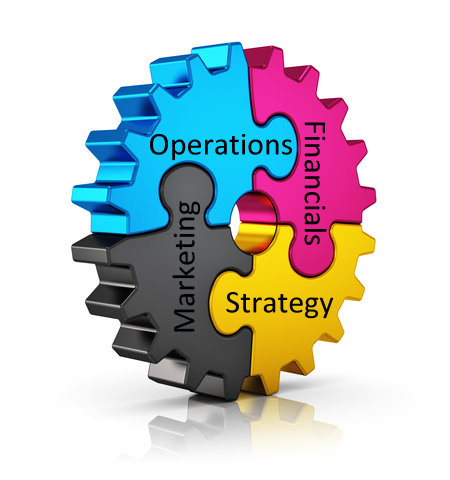
Main Types of Business Activities
Production and Service
Production means creating goods for customers. A factory may produce clothes, furniture, food, electronics, or other products. Service businesses provide useful activities instead of physical products. Examples include web development, accounting, education, transportation, repair services, and consulting.
The main goal is to provide something valuable to customers. A business should focus on quality, reasonable prices, and reliable delivery. When customers receive good value, they are more likely to return.
Marketing and Sales
Marketing helps people learn about a business and its products. Businesses use websites, social media, advertisements, email, videos, and other methods to reach potential customers. Sales activities then help turn interested people into buyers.
A good marketing strategy should provide honest and useful information. Businesses should avoid false promises because trust is difficult to build and easy to lose. Competition rules also exist to help markets provide customers with greater choice, quality, and reasonable prices.

Financial Activities
Money management is another major business activity. Businesses need to record sales, expenses, salaries, purchases, taxes, and other financial transactions. Proper bookkeeping helps owners understand whether the business is making or losing money.
Financial discipline also helps businesses plan for the future. A company that earns money but spends without control can still face serious problems. Good financial records allow owners to make better decisions about investment, hiring, expansion, and savings.
Why Business Rules Are Important
Business rules guide everyday decisions and activities. They can define what employees should do when specific situations occur and help create consistency across an organization.
For example, a company may have a rule that customer complaints must receive a response within 24 hours. Another business may require managers to approve large purchases before money is spent. These simple rules can reduce confusion and improve performance.
Legal and Ethical Rules
Businesses must follow the laws and regulations that apply to their activities. Depending on the country and industry, these may cover taxation, employment, contracts, consumer protection, licenses, competition, environmental matters, and data protection. The exact requirements vary according to the business and its location.
Businesses should also follow ethical rules. Being honest with customers, paying workers fairly, protecting customer information, and keeping promises are examples of responsible behavior. Legal compliance is important, but good business behavior goes beyond simply avoiding penalties.
Rules for Employees
Employees are an important part of every business. A company should have clear rules about working hours, attendance, communication, safety, responsibilities, workplace behavior, and performance.
Rules should be fair and easy to understand. Employees should know what is expected from them and what support they can expect from the business. When workplace rules are clear, employees can work with greater confidence and managers can handle problems more consistently.
Customer Service Rules
Customers are the foundation of most businesses. Good customer service rules can help employees deal with customers politely and professionally.
Businesses should listen to customer complaints, provide accurate information, protect customer data, and try to solve problems quickly. A customer who receives respectful treatment may become a repeat buyer and recommend the business to others.
Financial and Record-Keeping Rules
Every business should maintain accurate records. Important records may include sales, purchases, expenses, employee payments, contracts, invoices, and tax documents.
Record keeping is not only an accounting task. It helps owners understand business performance and prepare for future decisions. Proper bookkeeping is also recognized as an important part of managing a business.
Growth Rules in Business
Growth should be planned carefully. A business should not expand simply because sales are increasing for a short period. Owners should study customer demand, costs, competition, available resources, and financial capacity.
Good rules can make growth easier. For example, a business can create rules for approving new suppliers, hiring employees, checking product quality, and controlling expenses. These systems help the company grow without losing control of daily operations.

Benefits of Following Business Rules
Following clear business rules can provide several benefits:
- Better organization
- Fewer mistakes
- Improved customer service
- Stronger employee performance
- Better financial control
- Lower business risk
- Greater customer trust
- More consistent decision-making
- Easier business growth
Rules should not make a business unnecessarily complicated. The best rules are simple, practical, and connected to real business needs.
Conclusion:
Business activities and rules are two important parts of successful business management. Activities explain what a business does, while rules explain how those activities should be performed.A successful business does not depend only on a good product or a large number of customers. It also needs organization, responsible behavior, financial control, and clear rules.
The best approach is simple: do useful work, treat people fairly, manage money carefully, follow the rules, and keep improving. These basic principles can give a business a strong foundation for long-term success.
FAQs:
1. What are business activities?
Business activities are the daily operations performed to achieve business goals. They include production, purchasing, marketing, sales, finance, customer service, and delivery.
2. Why are business rules important?
Business rules provide clear guidance for employees and managers. They reduce confusion, improve consistency, control risks, and help businesses operate more efficiently.
3. What are examples of business rules?
Examples include rules for customer service, employee behavior, financial approvals, product quality, workplace safety, data protection, and purchasing.
4. Do all businesses have the same rules?
No. Rules depend on the type, size, location, and industry of the business. Legal and regulatory requirements can differ significantly between businesses and countries.
5. How can a small business improve its activities?
A small business can improve by keeping accurate records, understanding its customers, controlling expenses, creating simple work procedures, training employees, and regularly reviewing its performance.