


Introduction:
Starting a small business startup is one of the most exciting opportunities for entrepreneurs. Modern technology, online marketplaces, and affordable digital tools have made launching a business easier than ever before. Current business trends show that AI, automation, social commerce, and lean operations are helping startups grow faster while keeping costs under control. Experts also note that entrepreneurs who solve real customer problems and start with a simple business model have the highest chance of success.
What Is a Small Business Startup?
A small business startup is a newly established business created to provide products or services to customers while aiming for long-term growth and profitability. Unlike large corporations, startups usually begin with limited resources and focus on solving a specific market problem.
Small businesses can operate in many industries, including:
- Retail
- E-commerce
- Food services
- Digital marketing
- Web development
- Education
- Healthcare
- Consulting
Today’s entrepreneurs benefit from AI-powered tools, cloud software, and online payment systems that reduce startup costs significantly compared to previous years.
Key Characteristics
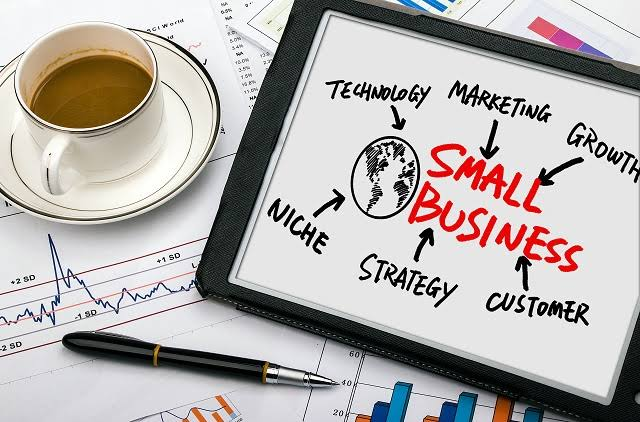
Successful startups usually share these qualities:
- Clear business vision
- Strong customer focus
- Low operating costs
- Flexible decision-making
- Continuous innovation
- Digital presence
Instead of trying to compete with giant companies immediately, successful entrepreneurs concentrate on serving a specific target audience exceptionally well.
Why Start a Small Business?
People choose entrepreneurship for many reasons.
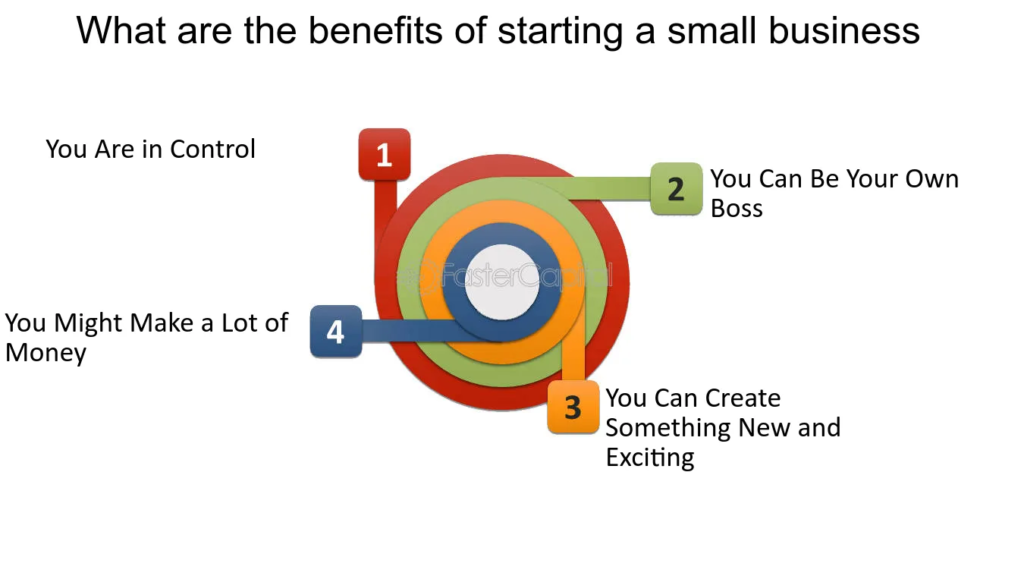
Some want financial independence, while others seek career flexibility or the opportunity to turn a passion into income. Many entrepreneurs also enjoy being their own boss and making independent business decisions.
Recent entrepreneurship reports indicate that millions of new business applications continue to be filed each year as more professionals embrace independent business ownership and digital opportunities.
Benefits of Starting a Small Business
Financial Freedom
A successful business creates multiple income opportunities.
Instead of depending on one employer, business owners can earn through direct sales, subscriptions, consulting, digital products, or online services.
Although profits are not guaranteed, business owners have unlimited growth potential compared to traditional employment.
Flexible Lifestyle
Entrepreneurs often enjoy:
- Flexible working hours
- Location independence
- Better work-life balance
- Creative freedom
- Personal growth
Technology allows many startups to operate entirely online with minimal overhead.
Choosing the Right Business Idea
Selecting the right business idea is one of the most important startup decisions.
A profitable business usually solves a real customer problem instead of simply copying competitors.
Questions to ask include:
- What problem am I solving?
- Who is my target customer?
- Is there enough demand?
- Who are my competitors?
- Can I make a profit?
Experts consistently advise founders to focus on solving real-world problems rather than chasing trends alone.
Market Research
Good market research reduces business risk.
Research should include:
| Research Area | Purpose |
|---|---|
| Target audience | Understand customer needs |
| Competitors | Identify strengths and weaknesses |
| Pricing | Set competitive prices |
| Industry trends | Find future opportunities |
| Customer feedback | Improve products |
Modern AI research tools and online surveys make collecting customer insights easier than ever.
Solving Customer Problems
The best startups succeed because they make customers’ lives easier.
Examples include:
- Faster delivery
- Better customer service
- Lower prices
- Higher quality
- Easier online ordering
- Personalized experiences
Businesses that focus on customer satisfaction build stronger long-term relationships.
Creating a Business Plan
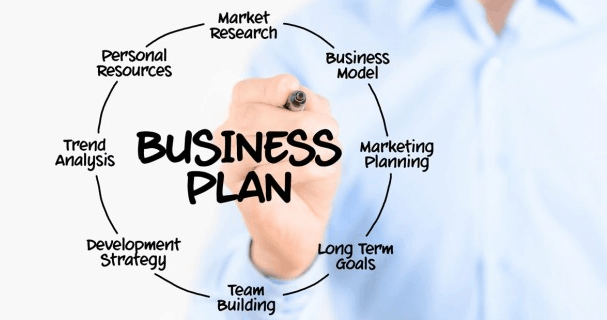
A business plan provides direction.
It should include:
- Executive summary
- Business description
- Market analysis
- Marketing strategy
- Financial projections
- Growth strategy
A well-prepared plan also improves your chances of securing investors or business loans.
Business Goals
Every startup should establish measurable goals.
Examples include:
- Reach 100 customers
- Generate first $10,000 revenue
- Launch website
- Build social media presence
- Hire first employee
Clear goals help entrepreneurs track progress effectively.
Budget Planning
Startup budgeting includes:
- Equipment
- Marketing
- Website development
- Inventory
- Software
- Legal expenses
- Emergency funds
Proper financial planning reduces unexpected cash flow problems.
Funding Your Startup
Most businesses begin with one or more funding sources:
- Personal savings
- Family support
- Bank loans
- Angel investors
- Venture capital
- Crowdfunding
- Government programs
Many successful startups begin small before seeking outside investment.
Recent reports also suggest financing options for startups continue expanding in many regions as entrepreneurship grows.
Personal Savings
Bootstrapping remains one of the safest funding methods.
Advantages include:
- Full ownership
- No loan repayments
- Complete decision-making control
However, entrepreneurs should avoid investing money they cannot afford to lose.
Investors and Loans
External funding may accelerate growth.
Before approaching investors:
- Build an MVP
- Validate your market
- Prepare financial forecasts
- Develop a professional pitch deck
Investors prefer businesses with proven customer demand rather than just ideas.
Marketing Your Small Business
Marketing determines whether customers discover your business.
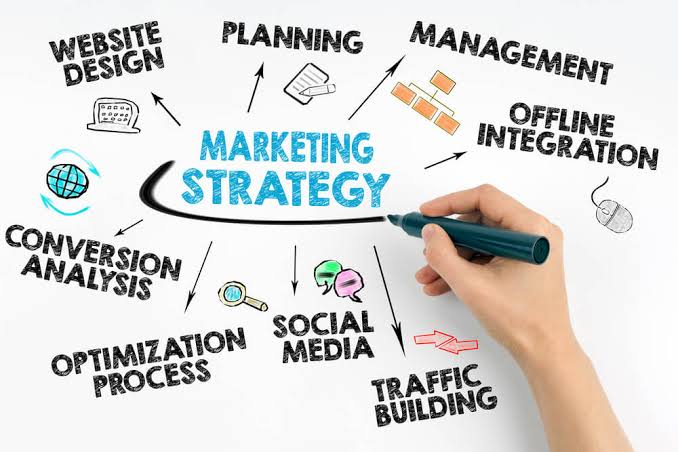
Modern startups should combine:
- SEO
- Content marketing
- Email marketing
- Paid advertising
- Social media
- Referral marketing
Consistent branding builds customer trust.
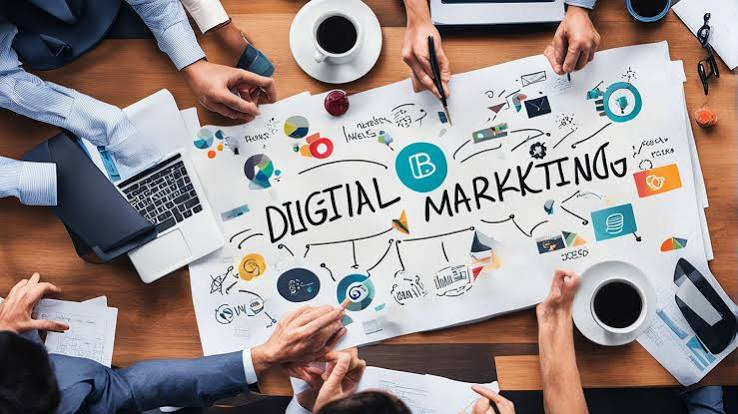
Digital Marketing
Digital marketing provides affordable customer acquisition.
Popular channels include:
- Google Search
- YouTube
- TikTok
Businesses using AI tools for content creation and automation are increasingly improving productivity while lowering costs.
Social Media Strategy
Successful social media marketing focuses on:
- Helpful content
- Customer engagement
- Consistent posting
- Community building
- Short videos
- Educational content
Building trust often produces better long-term results than aggressive selling.
Common Startup Challenges
Every entrepreneur faces obstacles.
Common challenges include:
- Limited capital
- Finding customers
- Competition
- Cash flow management
- Hiring employees
- Marketing expenses
The key is remaining adaptable.
Industry experts recommend starting lean, learning from customers, and improving continuously instead of waiting for perfection.
Conclusion:
Starting a small business startup is an exciting journey that requires careful planning, persistence, and continuous learning. Entrepreneurs who understand their customers, manage finances wisely, and embrace modern technologies are better positioned for long-term success. Current trends show that AI, digital commerce, and customer-focused innovation continue to reshape entrepreneurship worldwide, creating new opportunities for startups of every size.
FAQs:
1. What is the best small business to start in 2026?
Businesses related to digital services, e-commerce, AI solutions, online education, health services, and consulting remain among the fastest-growing sectors.
2. How much money do I need to start a small business?
Startup costs vary widely. Many online businesses can begin with a few hundred dollars, while retail businesses usually require larger investments.
3. Do I need a business plan?
Yes. A business plan helps organize your strategy, finances, marketing, and growth goals.
4. Can I start a business while working a full-time job?
Yes. Many successful entrepreneurs begin part-time before transitioning into full-time business ownership.
5. What is the biggest reason startups fail?
The most common reasons include poor market research, cash flow problems, weak marketing, and creating products that do not solve real customer needs.