
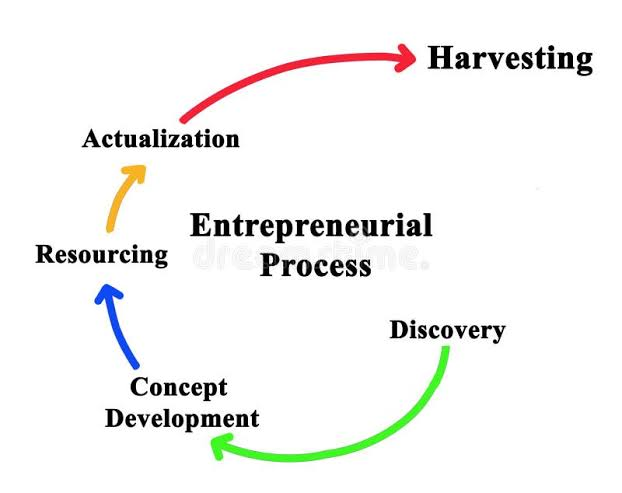

Entrepreneurial Process:
The entrepreneurial process is the series of steps an entrepreneur follows to transform a business idea into a successful venture. It involves identifying opportunities, planning, launching, and growing a business while managing risks and adapting to market changes.
1. Idea Generation
Every business begins with an idea. Entrepreneurs identify problems, observe market trends, or discover unmet customer needs to create innovative products or services. Creative thinking and research play a vital role in this stage.

2. Opportunity Evaluation
Not every idea becomes a successful business. Entrepreneurs evaluate the market demand, competition, target audience, and profitability to determine whether the idea is worth pursuing.
3. Business Planning
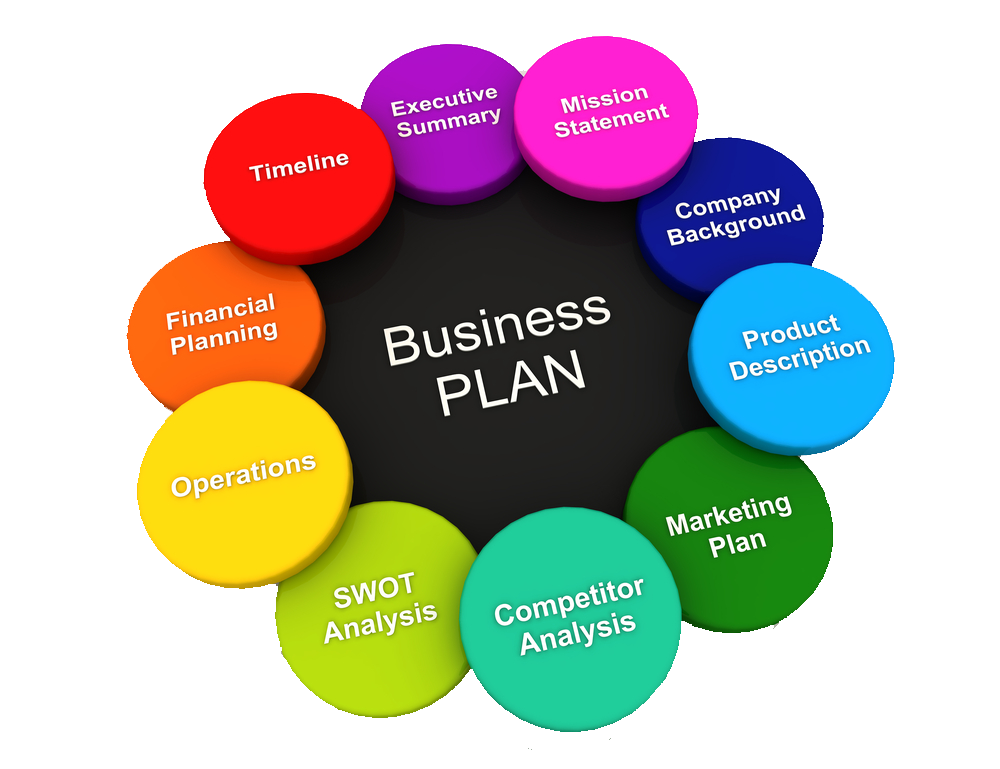
A business plan acts as a roadmap for success. It outlines the company’s goals, marketing strategies, financial projections, operational plans, and growth objectives. A well-prepared business plan also helps attract investors.
4. Resource Gathering
Starting a business requires resources such as capital, skilled employees, technology, equipment, and suppliers. Entrepreneurs secure these resources to support business operations and ensure a successful launch.
5. Business Launch
Once planning and preparation are complete, the entrepreneur officially launches the business. This stage includes introducing products or services to customers, promoting the brand, and building customer relationships.

6. Managing the Business
Successful entrepreneurs continuously manage daily operations, monitor financial performance, motivate employees, and maintain product quality. Effective leadership and decision-making are essential during this stage.
7. Business Growth and Expansion
After establishing a stable business, entrepreneurs focus on growth by entering new markets, introducing new products, adopting new technologies, and expanding their customer base to increase profitability.
8. Innovation and Continuous Improvement
The entrepreneurial process never truly ends. Entrepreneurs must regularly innovate, gather customer feedback, and adapt to changing market conditions to remain competitive and achieve long-term success.

Conclusion:
The entrepreneurial process is a continuous journey that begins with a business idea and progresses through planning, launching, managing, and expanding a venture. Entrepreneurs who embrace innovation, careful planning, and continuous learning are better positioned to build sustainable and successful businesses.
FAQs:
1. What is the entrepreneurial process?
The entrepreneurial process is a step-by-step journey of identifying a business opportunity, planning, launching, and growing a successful business.
2. Why is the entrepreneurial process important?
It provides a structured approach to starting and managing a business, helping entrepreneurs reduce risks and improve their chances of success.
3. What are the main stages of the entrepreneurial process?
The main stages include idea generation, opportunity evaluation, business planning, resource gathering, business launch, and business growth.
4. What is the role of a business plan in the entrepreneurial process?
A business plan serves as a roadmap that outlines business goals, strategies, financial projections, and operational plans for long-term success.
5. What challenges do entrepreneurs face during the process?
Common challenges include securing funding, managing competition, attracting customers, adapting to market changes, and handling business risks.
6. Can the entrepreneurial process be improved over time?
Yes. Entrepreneurs can continuously improve the process by learning from experience, embracing innovation, gathering customer feedback, and adapting to changing market conditions.