
Introduction
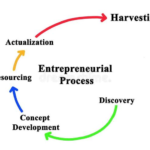
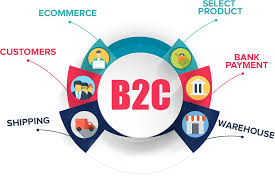
B2C (Business-to-Consumer) is a business model where companies sell products or services directly to individual customers. Entrepreneurship is the process of creating, managing, and growing a business. Together, B2C and entrepreneurship help businesses connect with consumers while driving innovation and economic growth.
What Is B2C Entrepreneurship?
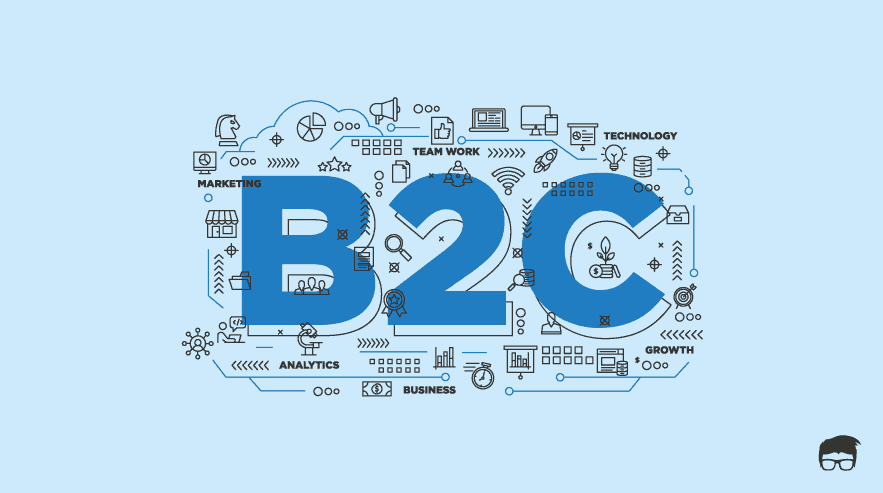
B2C entrepreneurship focuses on launching businesses that serve end consumers. Entrepreneurs identify customer needs, develop valuable products or services, and use digital platforms, retail stores, or mobile apps to reach their target audience. Popular examples include online clothing stores, food delivery services, beauty brands, and e-commerce marketplaces.
Benefits of B2C Entrepreneurship
B2C businesses offer several advantages for entrepreneurs:
- Direct interaction with customers.
- Faster feedback for improving products.
- Large market opportunities through online platforms.
- Strong brand loyalty with excellent customer service.
- Potential for rapid business growth using digital marketing.
Challenges:
Despite its advantages, B2C entrepreneurship also has challenges. Entrepreneurs face intense competition, changing consumer preferences, rising advertising costs, and the need to provide outstanding customer experiences. Building trust and maintaining product quality are essential for long-term success.

Tips for Success
Successful B2C entrepreneurs should understand their target audience, create high-quality products, build a strong online presence, use social media marketing, and provide excellent customer support. Continuous innovation and adapting to market trends help businesses remain competitive.

Conclusion:
B2C and entrepreneurship work together to create businesses that deliver value directly to consumers. By focusing on customer satisfaction, innovation, and effective marketing, entrepreneurs can build successful brands and achieve sustainable business growth in today’s competitive marketplace.
FAQs:
1. What is B2C entrepreneurship?
B2C entrepreneurship is the process of starting and managing a business that sells products or services directly to individual consumers.
2. How is B2C different from B2B?
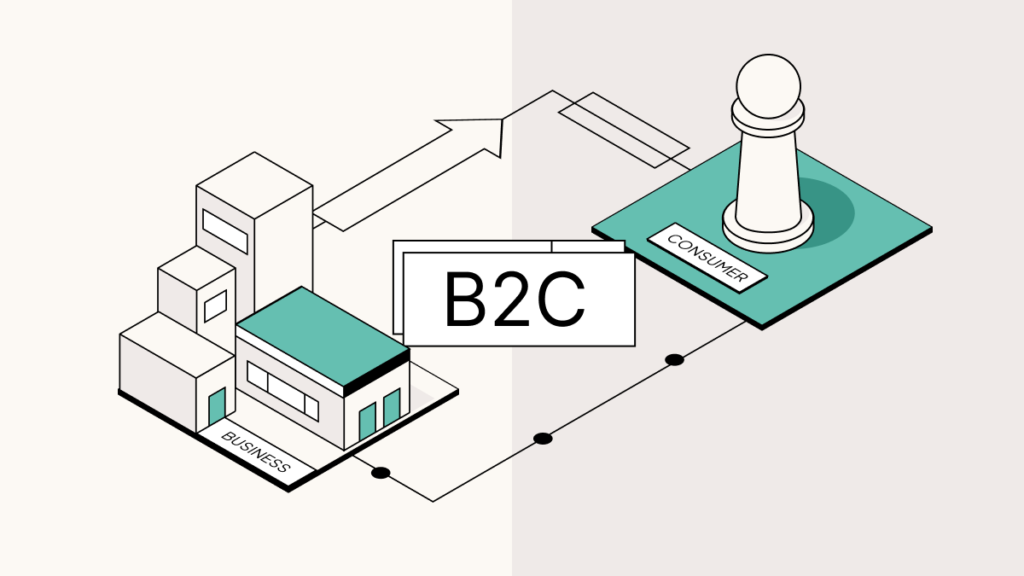
B2C businesses sell directly to customers, while B2B businesses sell products or services to other businesses.
3. What are examples of B2C businesses?
Examples include online retail stores, restaurants, fashion brands, supermarkets, beauty products, and streaming services.
4. Why is digital marketing important for B2C entrepreneurs?
Digital marketing helps businesses reach more customers, increase brand awareness, and boost sales through online channels.
5. What are the biggest challenges in B2C entrepreneurship?
Common challenges include intense competition, changing customer preferences, customer retention, and maintaining product quality.
6. What skills are essential for B2C entrepreneurs?
Key skills include marketing, communication, customer service, financial management, and problem-solving.
7. How can a B2C startup achieve long-term success?
A B2C startup can succeed by delivering quality products, understanding customer needs, offering excellent service, and continuously innovating.