


B2B Business:
Introduction to B2B Business
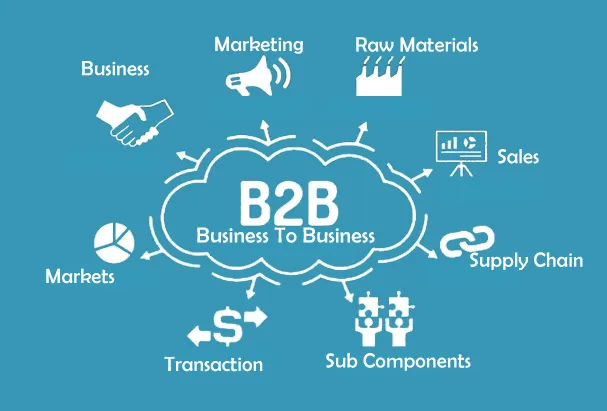
B2B (Business-to-Business) refers to transactions and services conducted between one business and another rather than between a business and individual consumers. Examples include manufacturers selling products to wholesalers, software companies providing solutions to enterprises, and marketing agencies serving corporate clients.
B2B businesses play a crucial role in the global economy by helping companies improve efficiency, reduce costs, and achieve growth. Unlike B2C (Business-to-Consumer) businesses, B2B transactions often involve larger contracts, longer sales cycles, and stronger professional relationships.
Key Features of B2B Business
Professional Relationships
B2B companies focus on building long-term partnerships with clients. Trust, reliability, and consistent service are essential for maintaining successful business relationships.
Larger Transactions
B2B deals usually involve higher order values compared to consumer purchases. Companies often buy products or services in bulk to support their operations.
Longer Sales Process
Business buyers typically conduct research, compare options, and seek approvals before making purchasing decisions. As a result, the sales cycle can take weeks or even months.
Benefits of B2B Business
Higher Revenue Potential
Since B2B transactions often involve bulk orders and long-term contracts, businesses can generate significant revenue from a smaller number of clients.
Customer Loyalty
Strong relationships and customized solutions encourage repeat business, leading to greater customer retention.
Market Stability
Many B2B companies operate through ongoing agreements and recurring services, providing more predictable income streams.
Complex Decision-Making
Multiple stakeholders are often involved in purchasing decisions, making the sales process more complicated.
High Competition
Businesses must continuously innovate and provide value to stand out in competitive markets.
Dependence on Key Clients
Losing a major customer can significantly impact revenue, making client retention a top priority.
Digital Transformation in B2B
Technology has transformed the B2B landscape. Companies now use digital marketing, customer relationship management (CRM) systems, artificial intelligence, and e-commerce platforms to attract and serve clients more effectively.
Online channels such as LinkedIn, email marketing, and content marketing have become essential tools for generating leads and building brand authority.
Future of B2B Business
The future of B2B business is driven by digital innovation, automation, and data analytics. Companies are increasingly investing in personalized customer experiences, cloud-based solutions, and AI-powered tools to improve efficiency and competitiveness.
Businesses that embrace technology and focus on delivering value will be better positioned for long-term success.

B2B and Entrepreneurship:
Introduction
B2B (Business-to-Business) and entrepreneurship are closely connected in today’s business world. Entrepreneurs often create products or services that help other businesses improve efficiency, reduce costs, or increase profits. Instead of selling directly to consumers, B2B entrepreneurs focus on serving companies, organizations, and institutions.
As technology and globalization continue to expand markets, B2B entrepreneurship offers significant opportunities for innovation and growth.
Why B2B Is Attractive for Entrepreneurs
Higher Revenue Opportunities
B2B businesses often deal with larger contracts and recurring payments. A single client can generate substantial revenue compared to multiple individual customers.
Long-Term Relationships
Business clients usually seek reliable partners. Once trust is established, entrepreneurs can benefit from long-term contracts and repeat business.
Market Stability
Many B2B services are essential for business operations, creating consistent demand even during economic fluctuations.

Key Skills for B2B Entrepreneurs
Successful B2B entrepreneurs typically possess:
- Strong communication skills
- Problem-solving abilities
- Industry knowledge
- Negotiation expertise
- Leadership and management capabilities
Challenges in B2B Entrepreneurship
While B2B entrepreneurship offers many advantages, it also presents challenges:
Long Sales Cycles
Business purchasing decisions often require multiple approvals, making the sales process longer than consumer sales.
Intense Competition
Entrepreneurs must differentiate their offerings through innovation, quality, and customer service.
Relationship Management
Maintaining strong client relationships requires consistent communication and reliable performance.
Technology and B2B Entrepreneurship
Technology has transformed the B2B landscape. Entrepreneurs now use digital tools such as:
- Customer Relationship Management (CRM) systems
- Artificial Intelligence (AI)
- Data analytics
- Cloud computing
- E-commerce platforms
These technologies help businesses improve efficiency, enhance customer experiences, and scale operations.

Conclusion:
B2B business is a vital part of the modern economy, connecting organizations through products, services, and strategic partnerships. With strong revenue potential, long-term relationships, and growing digital opportunities, B2B companies can achieve sustainable growth by understanding customer needs and adapting to market changes.
B2B entrepreneurship is a powerful pathway for business growth and innovation. By providing valuable products and services to other businesses, entrepreneurs can build sustainable companies, generate significant revenue, and create long-term partnerships.
FAQs
1. What does B2B stand for?
B2B stands for Business-to-Business, where companies sell products or services to other businesses.
2. What is an example of a B2B business?
A software company providing enterprise solutions to corporations is a common example of a B2B business.
3. How is B2B different from B2C?
B2B serves businesses, while B2C sells directly to individual consumers.
4. Why is digital marketing important in B2B?
Digital marketing helps businesses generate leads, build credibility, and reach decision-makers effectively.
5. What are the main advantages of B2B business?
Higher transaction values, customer loyalty, and long-term contracts are some of the main advantages.
6. What skills are important for B2B entrepreneurs?
Key skills include communication, negotiation, problem-solving, leadership, sales, and relationship management.
7. What are the main challenges in B2B entrepreneurship?
Common challenges include long sales cycles, strong competition, client retention, and managing complex business relationships.
8. How can a B2B startup attract clients?
A B2B startup can attract clients through networking, content marketing, social media, referrals, email campaigns, and delivering exceptional service.