

Introduction to AI in Business
Artificial Intelligence is no longer something reserved for sci-fi movies or high-end tech labs—it has firmly rooted itself in the everyday operations of businesses across the globe. From small startups to multinational corporations, AI is being used to simplify processes, enhance customer experiences, and unlock new growth opportunities. The shift toward AI-driven systems is happening faster than many expected, largely because businesses are under pressure to become more efficient and data-driven in a competitive marketplace.
What makes AI particularly powerful in business is its ability to process vast amounts of data in real time. Think about the sheer volume of information a company generates daily—customer interactions, sales data, website traffic, supply chain updates—and then imagine trying to manually analyze all of that. It’s nearly impossible. AI steps in as a kind of “super analyst,” identifying patterns, predicting outcomes, and offering actionable insights that humans might miss.
Another factor driving AI adoption is accessibility. Cloud computing and AI-as-a-service platforms have lowered the barrier to entry, allowing even small businesses to leverage advanced tools without massive upfront costs. This democratization of AI is changing the playing field, enabling innovation at every level of business.
Understanding Artificial Intelligence
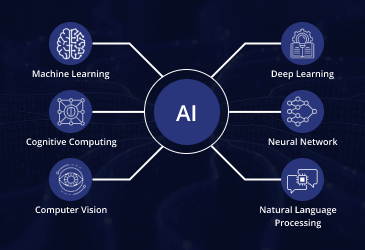
Artificial Intelligence, in simple terms, refers to machines or software that can perform tasks typically requiring human intelligence. These tasks include learning from data, recognizing patterns, understanding language, and making decisions. But AI isn’t just one technology—it’s a collection of systems like machine learning, natural language processing, and computer vision working together.
Machine learning is one of the most widely used aspects of AI in business. It allows systems to learn from historical data and improve their performance without being explicitly programmed. For example, an e-commerce platform can use machine learning to recommend products based on a user’s browsing history. Over time, those recommendations become more accurate as the system learns more about user behavior.
Natural language processing, or NLP, is another key component. It enables machines to understand and respond to human language. This is what powers chatbots, voice assistants, and automated email responses. Businesses use NLP to enhance communication, analyze customer feedback, and streamline support services.
Importance of AI in Today’s Economy
AI has become a driving force in the global economy, influencing how businesses compete, innovate, and grow. Companies that adopt AI early often gain a significant competitive advantage, as they can operate more efficiently and respond more quickly to market changes. In contrast, businesses that ignore AI risk falling behind as competitors leverage smarter systems and data-driven strategies.
One of the biggest reasons AI is so important is its impact on productivity. By automating repetitive tasks, AI frees up employees to focus on more strategic and creative work. This not only improves efficiency but also enhances job satisfaction, as workers spend less time on mundane activities.
AI also plays a crucial role in decision-making. Instead of relying on intuition or outdated reports, businesses can use AI to analyze real-time data and make informed decisions. This leads to better outcomes, whether it’s optimizing pricing strategies, improving supply chain operations, or identifying new market opportunities.
Core Applications of AI in Business
AI is incredibly versatile, which is why it’s being used across multiple areas of business. From improving customer service to optimizing operations, AI applications are transforming how companies function on a daily basis. What’s interesting is that many of these applications are interconnected—improvements in one area often lead to benefits in another.
One of the most common uses of AI is in customer experience. Businesses are using AI-powered tools to interact with customers, answer questions, and provide support. These tools are available 24/7, ensuring that customers always have access to assistance when they need it.
In marketing, AI is used to analyze customer behavior and create targeted campaigns. By understanding what customers want, businesses can deliver more relevant content and offers, increasing engagement and conversion rates. AI also helps in predicting future trends, allowing companies to stay ahead of the competition.
Operations management is another area where AI is making a big impact. From inventory management to logistics, AI helps businesses streamline processes and reduce inefficiencies. This leads to cost savings and improved performance across the board.
AI in Customer Experience
Customer experience is one of the most critical aspects of any business, and AI is revolutionizing how companies interact with their customers. By using AI-powered systems, businesses can provide faster, more personalized, and more consistent service.
AI tools can handle a wide range of customer interactions, from answering simple questions to resolving complex issues. This reduces the workload on human agents and ensures that customers get quick responses. It’s like having a customer service team that never sleeps.

Chatbots and Automation
Chatbots are one of the most widely used AI tools in customer service. They can handle multiple conversations at once, providing instant responses to customer queries. This not only improves efficiency but also reduces operational costs.
Modern chatbots are highly advanced, capable of understanding natural language and providing accurate responses. They can also learn from interactions, improving over time. Businesses that use chatbots often see higher customer satisfaction and faster response times.
Conclusion:
Artificial Intelligence has firmly established itself as a transformative force in the business world, reshaping how organizations operate, compete, and grow. It’s not just about automation or replacing manual work—it’s about enhancing human capabilities and enabling smarter, faster, and more strategic decision-making. Businesses that embrace AI are finding new ways to innovate, improve efficiency, and deliver exceptional customer experiences, while those that hesitate risk being left behind in an increasingly data-driven economy.
One of the most compelling aspects of AI is its versatility. Whether it’s streamlining operations, personalizing marketing campaigns, optimizing supply chains, or improving customer service through chatbots, AI touches nearly every corner of a business.
FAQs:
1. What is the role of AI in business?
AI helps businesses automate tasks, analyze data, and improve decision-making for better efficiency and growth.
2. How does AI benefit companies?
It reduces costs, increases productivity, and enhances customer experiences through personalization and automation.
3. Is AI expensive to implement?
AI can be costly initially, but long-term benefits like efficiency and savings often outweigh the investment.
4. Can AI replace human workers?
AI automates repetitive tasks but mainly supports humans, creating new roles rather than fully replacing jobs.
5. Which industries use AI the most?
Industries like healthcare, finance, retail, and manufacturing widely use AI to improve operations and services.
Continued in next response…