


Introduction:
Market analysis is the foundation of smart business decisions. Without it, running a business is like trying to hit a target in the dark—you might get lucky, but chances are you’ll miss. At its core,market analysis in business is the process of studying customers, competitors, and industry trends to make informed decisions. It helps businesses understand where they stand and where they should go next.
In today’s fast-changing world, relying on intuition alone isn’t enough. Data and insights drive success. Whether you’re launching a startup or scaling an existing company, understanding the market gives you a competitive edge. It allows you to reduce risks, identify opportunities, and build strategies that actually work.
Below are 10 short but powerful topics that form the backbone of market analysis.
1. Target Market Identification
Knowing your audience is everything. Target market identification focuses on defining who your ideal customers are. This includes demographics like age, income, and location, as well as psychographics such as interests and behavior.
When you understand your audience, your marketing becomes sharper and more effective. Instead of trying to sell to everyone, you focus on the people most likely to buy from you. That’s where real growth begins.

2. Industry Analysis
Before entering a market, you need to understand the bigger picture. Industry analysis looks at market size, growth rate, and overall potential.
For example, entering a growing industry like AI or e-commerce offers more opportunities than entering a declining one. It helps businesses decide whether a market is worth investing in or not.
3. Competitive Analysis
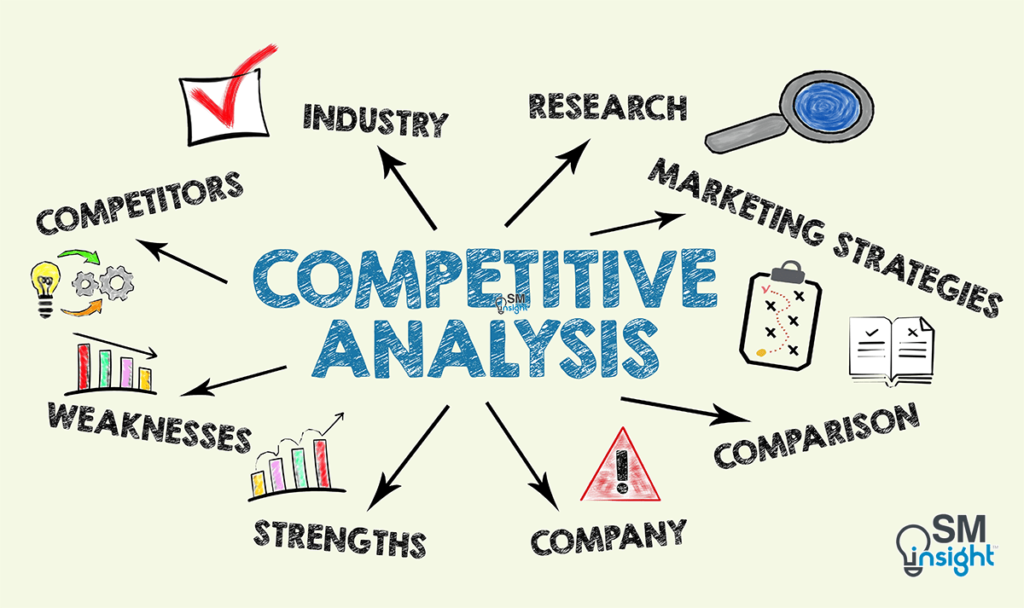
No business operates alone. Competitive analysis helps you understand who your competitors are and what they’re doing.
By studying their strengths and weaknesses, you can find gaps in the market. Maybe they lack good customer service or have high prices—those gaps are your opportunity to stand out.
4. Market Trends Analysis
Markets are always changing. Market trends analysis focuses on identifying patterns and shifts in consumer behavior.
For instance, the rise of eco-friendly products shows how consumer preferences evolve. Businesses that adapt quickly to trends often stay ahead of the competition.
5. SWOT Analysis
A SWOT analysis evaluates Strengths, Weaknesses, Opportunities, and Threats. It gives a clear picture of both internal and external factors affecting a business.
It’s like a reality check—helping you understand what you’re good at and where you need improvement while spotting potential risks and opportunities.
6. Pricing Strategy Analysis
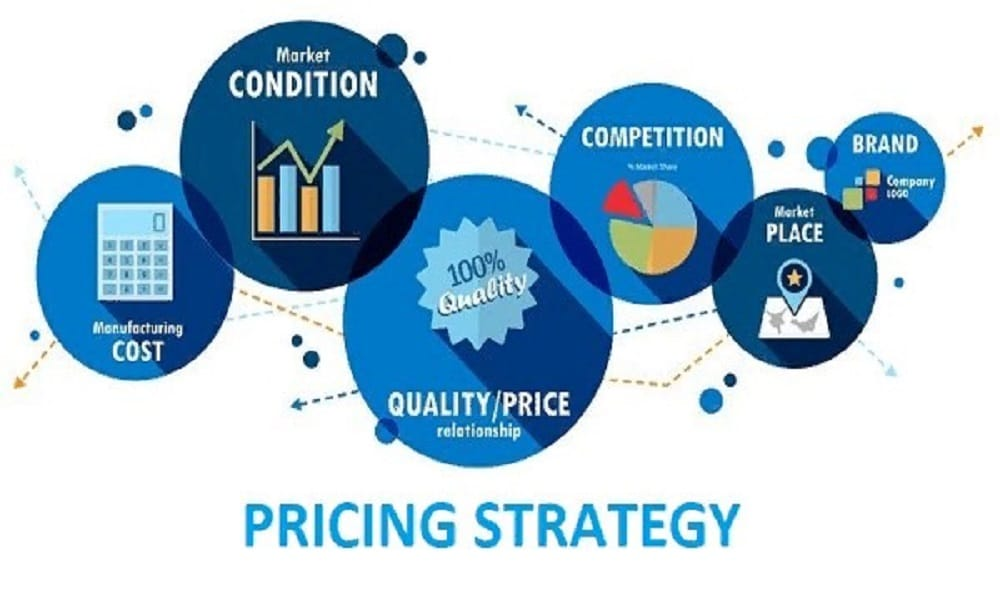
Pricing can make or break a business. Pricing strategy analysis involves studying how much customers are willing to pay and how competitors price their products.
Setting the right price ensures profitability while staying competitive. Too high, and you lose customers; too low, and you lose profits.
7. Demand and Supply Analysis
This topic focuses on the balance between demand and supply in the market. High demand with low supply creates opportunity, while oversupply can lead to losses.
Understanding this balance helps businesses plan production, manage inventory, and avoid unnecessary risks.
8. Customer Segmentation
Not all customers are the same. Customer segmentation divides the market into smaller groups based on shared characteristics.
These segments can be based on behavior, location, or preferences. This allows businesses to create personalized marketing strategies that connect better with each group.
9. Distribution Channel Analysis
Getting your product to customers efficiently is crucial. Distribution channel analysis looks at how products move from producers to consumers.
Whether it’s online platforms, retail stores, or direct sales, choosing the right channel affects both costs and customer experience.
10. Market Entry Strategy
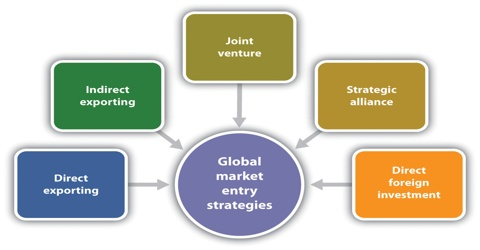
Entering a new market requires careful planning. Market entry strategy focuses on how a business introduces its product or service into a market.
This could involve partnerships, pricing tactics, or promotional campaigns. A strong entry strategy increases the chances of success and reduces initial risks.
Conclusion:
Market analysis isn’t just a one-time task—it’s an ongoing process that keeps businesses aligned with reality. Each of these 10 topics plays a critical role in understanding the market and making smarter decisions.
When businesses take the time to analyze their environment, they don’t just survive—they grow with confidence. In a competitive world, that advantage can make all the difference.
FAQs:
1. What is market analysis in business?
It is the process of studying customers, competitors, and market trends to make informed business decisions.
2. Why is competitive analysis important?
It helps businesses understand their rivals and find opportunities to stand out.
3. How does pricing affect market success?
The right pricing attracts customers while ensuring profitability.
4. What are market trends?
They are patterns or shifts in consumer behavior and industry developments.
5. Can small businesses use market analysis?
Yes, market analysis is valuable for businesses of all sizes to reduce risks and improve strategies.