
The Business of Agriculture:
What is Agricultural Business?
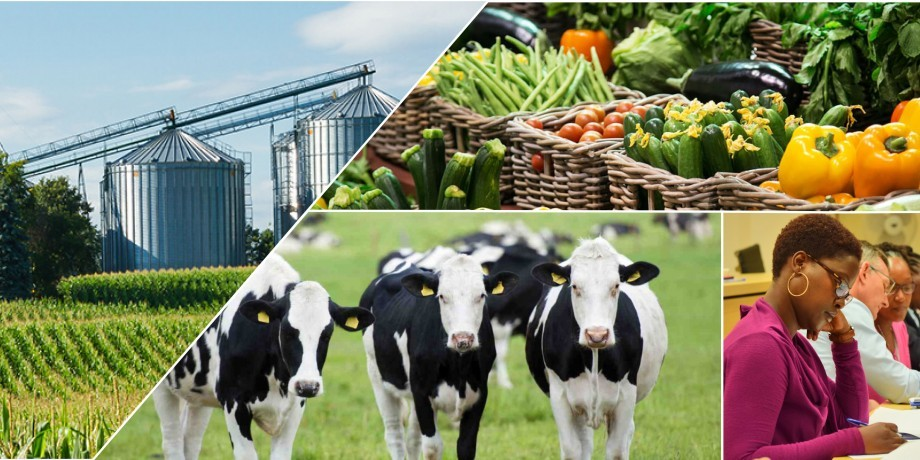
Agricultural business, often referred to as agribusiness, goes far beyond the traditional image of farmers working in fields. It represents a vast network of activities that include production, processing, distribution, and marketing of agricultural products. When you think about agriculture as a business, you begin to see it as a system that connects farms to consumers through multiple stages. It’s not just about growing crops—it’s about turning those crops into profitable products that meet market demand.
Imagine agriculture as a chain reaction. A farmer plants seeds, harvests crops, and sells them to processors. Those processors transform raw materials into packaged goods, which are then transported to retailers and finally purchased by consumers. Each step in this process adds value, creates jobs, and contributes to economic growth. This interconnected system is what defines agricultural business in today’s world.
The scope of agribusiness has expanded dramatically due to globalization and technological advancements. Farmers now have access to international markets, and consumers can enjoy products from across the globe. At the same time, innovations such as data-driven farming and automated machinery are making agricultural operations more efficient and scalable.
So, agricultural business is not just about survival—it’s about strategy, investment, and growth. It’s a sector where tradition meets innovation, creating opportunities for entrepreneurs, investors, and communities alike.
Why Agriculture is More Than Farming
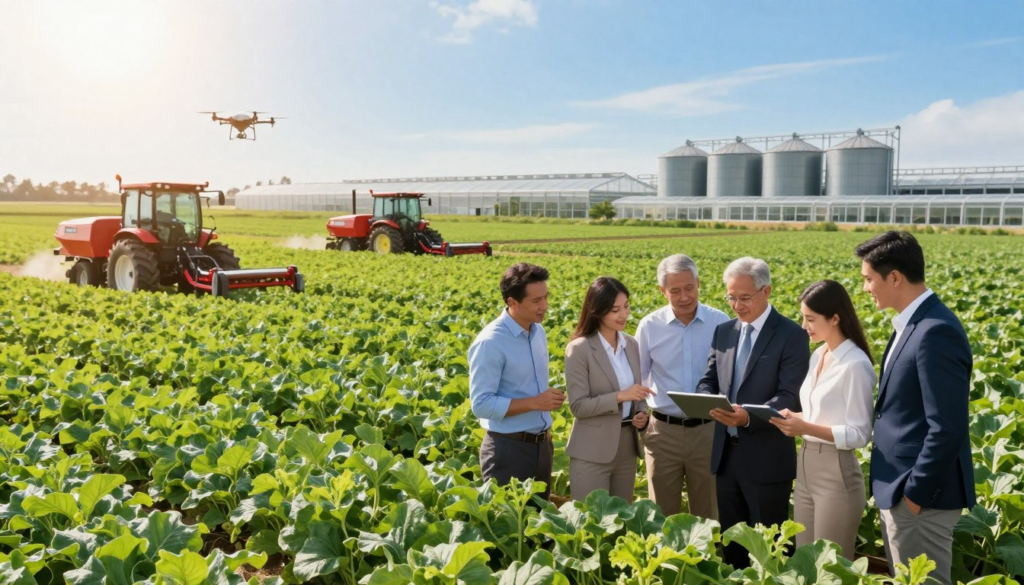
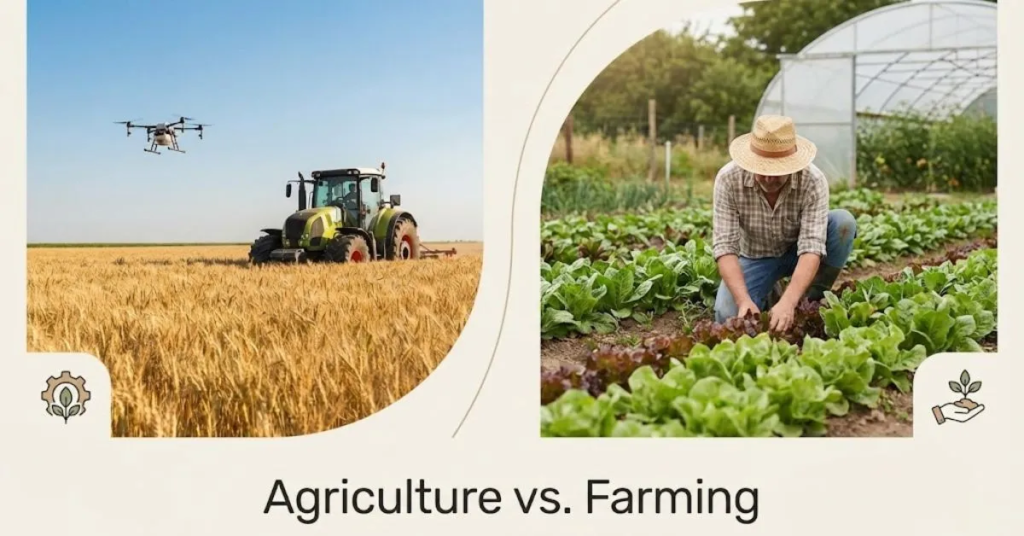
It’s easy to assume that agriculture simply means farming, but that perspective barely scratches the surface. In reality, agriculture is a multi-dimensional business ecosystem that includes everything from input supply to retail distribution. Think about fertilizers, seeds, machinery, logistics, packaging, and even marketing—these are all essential components of the agricultural business.
For instance, before a farmer even plants a crop, there’s already a business transaction happening. Seeds are purchased, equipment is rented or owned, and labor is organized. After harvesting, the produce doesn’t magically reach consumers. It goes through storage, transportation, processing, and packaging stages, each involving different businesses and stakeholders.
Another fascinating layer is the role of branding and consumer behavior. Today’s consumers are more conscious about what they eat. Labels like “organic,” “non-GMO,” and “sustainably sourced” influence purchasing decisions. This means agricultural businesses must think like marketers, not just producers. They need to understand trends, build trust, and differentiate their products in competitive markets.
Agriculture and Biotechnology
Agriculture also intersects with industries like biotechnology, finance, and technology. For example, agritech startups are developing apps that help farmers monitor soil health, predict weather patterns, and optimize irrigation. Banks and financial institutions offer specialized loans and insurance products tailored to agricultural needs.
All of this shows that agriculture is no longer a standalone activity—it’s a dynamic, interconnected business landscape. Recognizing this complexity opens up new opportunities and highlights why agriculture remains one of the most vital industries in the world.
Major Types of Agricultural Businesses
Crop Production
Crop production is one of the most fundamental aspects of agricultural business, yet it has evolved into a sophisticated and highly strategic operation. At its core, it involves cultivating plants for food, fiber, fuel, and other uses. However, modern crop production is far from simple—it requires careful planning, resource management, and market analysis.
Farmers today must decide what crops to grow based on factors like soil conditions, climate, and market demand. For example, growing wheat in a region with high demand and favorable weather conditions can significantly boost profitability. On the other hand, poor planning can lead to oversupply, price drops, and financial losses.
Technology In Agriculture
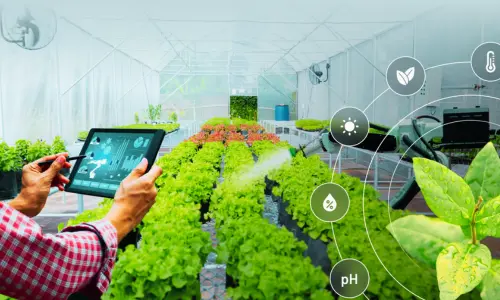
Technology has revolutionized crop production in recent years. Precision agriculture tools allow farmers to monitor soil moisture, nutrient levels, and crop health in real time. Drones and satellite imagery provide valuable insights, helping farmers make data-driven decisions. These innovations not only increase yields but also reduce waste and environmental impact.
Livestock and Dairy Farming
Livestock and dairy farming represent another major pillar of agricultural business, offering diverse opportunities for income generation and value addition. This sector involves raising animals such as cattle, poultry, sheep, and goats for products like meat, milk, eggs, and wool. While it may seem straightforward, livestock farming requires careful management and significant investment.
One of the key challenges in this area is maintaining animal health and productivity. Farmers must ensure proper nutrition, housing, and veterinary care to keep their livestock healthy. Disease outbreaks can lead to substantial losses, making preventive measures and regular monitoring essential.This business build income stream.
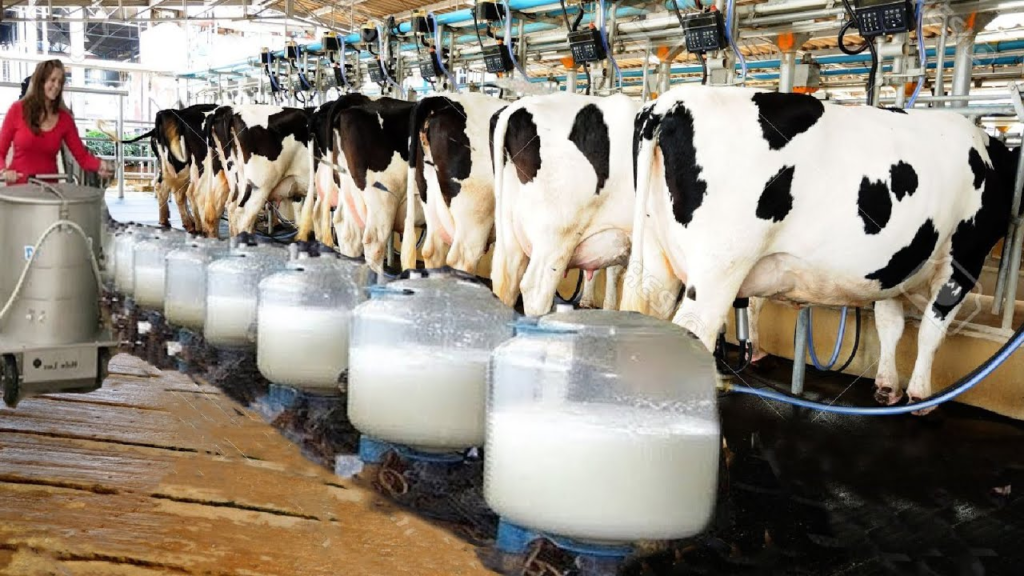
Dairy farming, in particular, has become a highly specialized business. From milking machines to cold storage systems, technology plays a crucial role in maintaining quality and efficiency. Many dairy farms also engage in value-added production, creating products like cheese, yogurt, and butter to increase profitability.
FAQs:
- What is agricultural business?
Agricultural business involves producing, processing, and selling crops, livestock, and other farm products. It turns farming into a profitable and structured industry. - How can I start an agriculture business?
Begin with a solid plan, choose your niche, secure resources, and develop a marketing strategy. Careful preparation ensures long-term success. - What are the main types of agribusiness?
The key types include crop farming, livestock & dairy, agro-processing, and agritech services. Each offers unique opportunities and challenges. - Why is technology important in agriculture?
Technology increases productivity, efficiency, and sustainability using tools like AI, drones, and automated machinery.
Conclusion:
The business of agriculture has evolved far beyond traditional farming, becoming a dynamic sector that combines production, processing, and technology. It plays a critical role in feeding populations, supporting rural economies, and contributing significantly to national and global GDP. Modern agriculture integrates innovations such as precision farming, AI, and smart logistics to increase productivity and efficiency, making it a highly strategic and profitable industry.
Sustainable practices are now essential for long-term success, as businesses must balance profitability with environmental responsibility. By adopting modern technologies, diversifying operations, and understanding market demands, agricultural entrepreneurs can thrive in this competitive field.
Explore more on my Patreon.