

AI Integration and Entrepreneurship
Artificial Intelligence (AI) is rapidly transforming the way businesses operate, and entrepreneurs are at the center of this technological revolution. AI integration in entrepreneurship is not just a trend; it is becoming a necessity for startups and growing businesses that want to remain competitive in a fast-changing digital economy. By leveraging AI tools, entrepreneurs can improve decision-making, automate processes, enhance customer experiences, and discover new business opportunities.
Entrepreneurs have always relied on innovation to disrupt traditional industries, and AI provides powerful capabilities that accelerate this process. From predictive analytics to intelligent automation, AI enables businesses to operate more efficiently and scale faster than ever before.
1. What is AI Integration in Entrepreneurship?
AI integration in entrepreneurship refers to the use of artificial intelligence technologies within business operations, products, or services created by entrepreneurs. It involves implementing AI-powered tools, algorithms, and systems to automate tasks, analyze data, improve decision-making, and enhance customer engagement.
Examples of AI integration include:
- Chatbots for customer service
- Predictive analytics for sales forecasting
- AI-powered marketing automation
- Fraud detection systems in fintech startups
- Personalized product recommendations in e-commerce
For entrepreneurs, AI is not only a tool for efficiency but also a driver of innovation. Startups are increasingly building entire business models around AI technologies, such as machine learning platforms, generative AI tools, and intelligent data solutions.
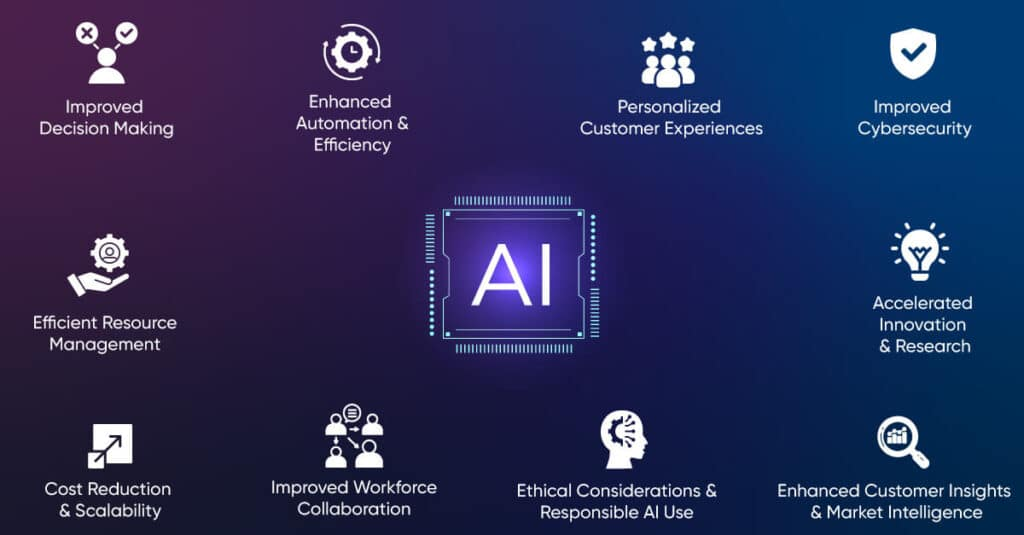
2. Benefits of AI Integration for Entrepreneurs
AI provides several advantages that help entrepreneurs build smarter and more scalable businesses.
Improved Decision-Making
AI analyzes large amounts of data quickly and accurately. Entrepreneurs can use this information to understand market trends, customer behavior, and financial patterns, allowing them to make more informed business decisions.

Automation of Routine Tasks
AI can automate repetitive tasks such as data entry, customer support responses, scheduling, and email management. This allows entrepreneurs to focus on strategic planning, innovation, and business growth.
Enhanced Customer Experience
AI tools enable personalized customer interactions. For example, recommendation engines can suggest products based on previous purchases, while AI chatbots provide instant support 24/7.
Cost Efficiency
Startups often operate with limited resources. AI helps reduce operational costs by automating tasks that would otherwise require large teams.
3. AI-Powered Startup Opportunities
The rise of AI has opened numerous opportunities for entrepreneurs to create innovative startups. Some of the most promising sectors include:
- Healthcare AI: diagnostic tools, predictive healthcare analytics
- Fintech AI: fraud detection, automated financial advice
- E-commerce AI: personalized shopping experiences
- Marketing AI: content generation and audience targeting
- Education AI: personalized learning platforms
Entrepreneurs who understand AI technologies can develop products that solve real-world problems while creating scalable business models.
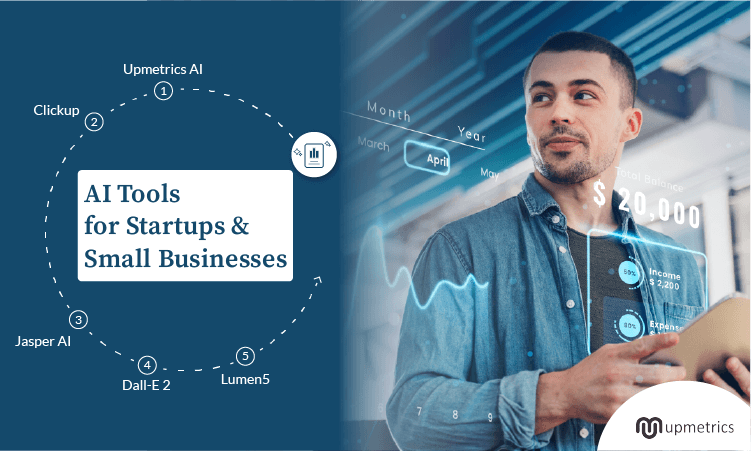
4. AI Tools Entrepreneurs Can Use
Many AI tools are available today that help entrepreneurs integrate artificial intelligence into their businesses without requiring deep technical expertise.
Popular AI tools include:
| AI Tool | Business Use |
|---|---|
| ChatGPT / AI Assistants | Content creation, customer interaction |
| HubSpot AI | Marketing automation |
| Tableau AI | Data analytics and visualization |
| Jasper AI | Marketing content generation |
| Shopify AI | E-commerce automation |
These tools allow entrepreneurs to increase productivity and streamline business processes.
5. Challenges of AI Integration in Entrepreneurship
Although AI offers many advantages, entrepreneurs also face challenges when integrating it into their businesses.
Some common challenges include:
- High initial investment for advanced AI systems
- Data privacy concerns and regulatory compliance
- Lack of AI expertise in small startup teams
- Integration complexity with existing systems
Successful entrepreneurs overcome these challenges by investing in training, collaborating with AI specialists, and adopting scalable AI solutions.
6. The Future of AI and Entrepreneurship
The future relationship between AI and entrepreneurship is expected to become even stronger. AI will likely reshape how businesses are created, managed, and scaled.
Future trends include:
- AI-driven startups becoming more common
- Autonomous business processes managed by AI systems
- Hyper-personalized products and services
- AI-powered market research and business planning
Entrepreneurs who embrace AI early will gain a competitive advantage in innovation, efficiency, and market expansion.

FAQs:
1. What is AI integration in entrepreneurship?
AI integration in entrepreneurship refers to the use of artificial intelligence technologies within business operations, products, or services developed by entrepreneurs. It involves implementing AI tools such as machine learning, chatbots, predictive analytics, and automation systems to improve efficiency, analyze data, enhance decision-making, and deliver better customer experiences.
2. How can entrepreneurs use AI in their businesses?
Entrepreneurs can use AI in many areas of their businesses, including marketing, customer service, operations, and data analysis. For example, AI-powered chatbots can provide 24/7 customer support, while predictive analytics can help entrepreneurs forecast sales trends and customer behavior. AI tools can also automate repetitive tasks like email responses, inventory management, and social media scheduling.
3. What are the main benefits of AI for entrepreneurs?
AI provides several benefits for entrepreneurs, including increased efficiency, cost reduction, improved decision-making, and enhanced customer experiences. By automating routine tasks and analyzing large amounts of data, AI allows entrepreneurs to focus on innovation, strategy, and business growth.
4. Do entrepreneurs need technical knowledge to use AI?
Not necessarily. Many AI tools are designed to be user-friendly and require little to no coding knowledge. Platforms like AI chatbots, marketing automation tools, and data analytics software provide simple interfaces that entrepreneurs can easily integrate into their businesses. However, having a basic understanding of AI concepts can help entrepreneurs use these tools more effectively.
5. What industries benefit most from AI-driven entrepreneurship?
Several industries benefit significantly from AI-driven entrepreneurship, including healthcare, finance, e-commerce, education, marketing, and logistics. In these sectors, AI helps improve efficiency, personalize services, detect fraud, optimize supply chains, and enhance customer engagement.
Conclusion:
AI integration is revolutionizing entrepreneurship by providing powerful tools for innovation, efficiency, and growth. Entrepreneurs who adopt AI technologies can automate operations, improve customer experiences, and make data-driven decisions that lead to smarter business strategies.
As artificial intelligence continues to evolve, it will unlock new opportunities for startups and transform traditional industries. Entrepreneurs who understand how to leverage AI effectively will play a crucial role in shaping the future of business and the global economy.
Please don’t forget to leave a review.
Explore more by joining me on Patreon