


Entrepreneurship Impact on Economy:
- Introduction to Entrepreneurship and Economic Growth
- Definition and Core Characteristics
- Types of Entrepreneurs
- The Direct Economic Contributions of Entrepreneurs
- Job Creation and Employment Opportunities
- Contribution to GDP Growth
- Innovation as the Heartbeat of Economic Development
- 4.1 Technological Advancements
- 4.2 Disruptive Innovation and Market Transformation
- Entrepreneurship and Wealth Creation
- 5.1 Capital Formation
- 5.2 Increasing National Income
- Role of Small and Medium Enterprises (SMEs) in the Economy
- SMEs as Economic Backbone
- Regional Economic Development
- Entrepreneurship and Global Trade Expansion
- Enhancing Market Efficiency
- Encouraging Competitive Pricing
- Social Entrepreneurship and Inclusive Economic Growth
- Financial Support and Incentives
- Regulatory Environment
Entrepreneurship Impact on Economy
When you think about the economy, what comes to mind? Big corporations? Stock markets? Government policies? Sure, they all matter. But behind the scenes, quietly shaping industries and transforming communities, are entrepreneurs. These are the risk-takers, the dreamers, the builders who turn ideas into reality. And their impact on the economy? Massive.
Entrepreneurship acts like fuel poured onto the engine of economic growth. Without it, economies can stagnate, becoming predictable and rigid. With it, markets become dynamic, competitive, and innovative. Entrepreneurs identify gaps in the market—needs that aren’t being met—and create solutions. In doing so, they generate income, create jobs, and stimulate demand for goods and services.
Think of the economy as a living organism. Entrepreneurs are like the cells constantly regenerating it. They introduce new products, adopt new technologies, and challenge outdated business models. This constant renewal strengthens the economic structure.
Moreover, entrepreneurship encourages self-reliance. Instead of depending solely on employment from large corporations or the government, individuals create their own opportunities. This reduces unemployment rates and distributes income across broader sections of society.

Understanding the Concept of Entrepreneurship
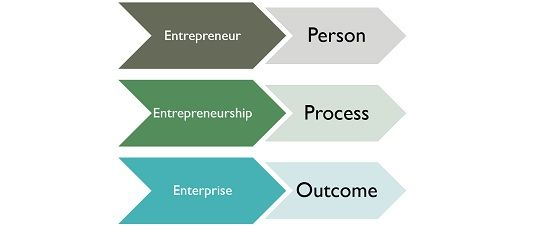
Entrepreneurship is more than launching a startup. It’s a mindset—a way of seeing opportunities where others see problems. At its core, entrepreneurship involves identifying a need, organizing resources, taking risks, and delivering value to customers.
An entrepreneur doesn’t wait for perfect conditions. They act. They experiment. Sometimes they fail. But failure becomes feedback, not defeat.
The defining characteristics of entrepreneurship include innovation, risk-taking, leadership, and resilience. Entrepreneurs often operate in uncertain environments, investing time and money without guaranteed returns. That uncertainty is precisely what makes entrepreneurship powerful—it pushes individuals to innovate and differentiate.
There are various types of entrepreneurs:
- Small Business Entrepreneurs: Local store owners, service providers, family businesses.
- Scalable Startup Entrepreneurs: Those aiming for rapid growth and expansion.
- Social Entrepreneurs: Focused on solving social issues while maintaining financial sustainability.
- Corporate Entrepreneurs (Intrapreneurs): Innovators within established companies.
- Innovative Entrepreneurs: Creators of entirely new products or industries.
Each type contributes differently to the economy. A small bakery may provide local employment and support community spending. A tech startup might revolutionize global communication.
The Direct Economic Contributions of Entrepreneurs
Job Creation and Employment Opportunities
One of the most visible impacts of entrepreneurship is job creation. Every new business, whether small or large, requires manpower. That means hiring employees, contractors, suppliers, and service providers.
Imagine a single startup launching a new app. Initially, it might hire developers and marketers. As it grows, it needs customer support teams, sales representatives, and operations managers. Soon, other businesses emerge to serve this company—legal firms, accounting services, logistics providers. The ripple effect spreads.
Small and medium enterprises (SMEs) account for a significant percentage of global employment. In many countries, they contribute more than 50% of total jobs. That’s not a minor contribution—it’s the backbone of employment.

Contribution to GDP Growth
Gross Domestic Product (GDP) measures a country’s economic output. When entrepreneurs create businesses, they produce goods and services that add to this output.
Every product sold, every service delivered, contributes to national income. As businesses expand, revenues increase, taxes are paid, and government budgets grow. This additional revenue can be reinvested in infrastructure, education, and healthcare—further stimulating economic growth.
Entrepreneurial ventures also increase consumer spending. When individuals earn wages from startups or small businesses, they spend money on housing, food, transportation, and entertainment. This circulation of money boosts overall demand.
High-growth startups, in particular, have exponential effects. Think of companies like Amazon or Tesla. They started small but eventually contributed billions to GDP. Their influence extends beyond direct revenue—they create entire ecosystems of suppliers and partners.
In developing economies, entrepreneurship is often a primary driver of GDP growth. Limited corporate infrastructure makes startups essential for economic activity.
Innovation as the Heartbeat of Economic Development
Innovation is where entrepreneurship truly shines. Without innovation, economies become stagnant. Entrepreneurs challenge the status quo, asking, “Why not?” instead of accepting “That’s how it’s always been.”
Technological advancements often stem from entrepreneurial ventures. Smartphones, online marketplaces, ride-sharing platforms—these innovations reshaped entire industries. They improved efficiency, reduced costs, and enhanced consumer experiences.
Innovation drives competitiveness. When new products enter the market, established companies must improve to survive. This cycle benefits consumers through better quality and lower prices.
Disruptive innovation goes even further. It transforms markets entirely. For example:
| Traditional Model | Entrepreneurial Disruption |
|---|---|
| Taxi Services | Ride-Sharing Apps |
| Physical Retail | E-commerce Platforms |
| Cable TV | Streaming Services |
These disruptions create new economic sectors while phasing out outdated models.
Innovation also increases exports. Countries known for technological breakthroughs often dominate global markets. This strengthens trade balances and enhances economic influence.
Ultimately, innovation fuels long-term economic sustainability. It ensures growth isn’t temporary but continuous.

FAQs:
1. How does entrepreneurship directly affect economic growth?
Entrepreneurship directly impacts economic growth by increasing productivity, generating employment, and contributing to national income. When entrepreneurs start businesses, they produce goods and services that add to a country’s Gross Domestic Product (GDP). Every transaction—whether it’s selling a product, offering a service, or exporting goods—adds measurable value to the economy.
Beyond simple production, entrepreneurs stimulate economic activity through spending. Employees hired by startups earn wages, and those wages are spent on housing, food, transportation, healthcare, and entertainment. This creates a multiplier effect where money circulates through the economy multiple times, increasing overall demand and economic expansion.
2. Why is job creation considered one of the biggest impacts of entrepreneurship?
Job creation is often seen as the most visible and powerful impact of entrepreneurship because employment directly affects people’s livelihoods. When entrepreneurs launch businesses, they need workers—whether full-time employees, part-time staff, contractors, or freelancers. Even a small startup can generate multiple job opportunities.
Small and medium-sized enterprises (SMEs), many of which are started by entrepreneurs, account for a large share of employment worldwide. In many economies, SMEs contribute more than half of total jobs. That means entrepreneurship is not just a side contributor—it is central to labor market stability.
3. How does entrepreneurship promote innovation in the economy?
Entrepreneurship is often the driving force behind innovation. Entrepreneurs are naturally problem-solvers. They identify gaps in the market and develop new solutions, products, or services. This process pushes industries forward and keeps economies competitive.
Innovation can take many forms:
- New technologies
- Improved production methods
- Creative business models
- Digital transformation
For example, ride-sharing apps disrupted traditional taxi services. Streaming platforms transformed entertainment. E-commerce reshaped retail. These changes didn’t just create new businesses—they reshaped entire sectors.
4. What role does entrepreneurship play in developing countries?
In developing countries, entrepreneurship plays a transformative role. Unlike developed economies with established corporations and infrastructure, developing nations often rely heavily on small businesses and startups to drive economic activity.
Entrepreneurs in these regions frequently address local challenges such as unemployment, poverty, and limited access to essential services. For example, small agricultural ventures improve food production, while tech startups may provide digital payment solutions where traditional banking systems are limited.
5. Can entrepreneurship have negative effects on the economy?
While entrepreneurship generally benefits the economy, it can have some negative effects if not properly regulated or supported. For example, high business failure rates can lead to financial losses, unemployment, and reduced investor confidence. Starting a business involves risk, and not all ventures succeed.
Market saturation is another potential issue. If too many similar businesses enter the market, competition can become destructive rather than healthy. This may drive down profits to unsustainable levels, causing closures and economic instability in certain sectors.
Conclusion:
Entrepreneurship is more than just starting a business—it is the driving force behind economic vitality, resilience, and long-term prosperity. At its core, entrepreneurship transforms ideas into value, risks into opportunities, and challenges into solutions. When individuals step forward to build something new, they don’t just create income for themselves—they generate momentum for the entire economy.
From job creation to GDP growth, the economic impact of entrepreneurship is both direct and far-reaching. New businesses absorb labor, reduce unemployment, and inject fresh income into communities. That income circulates through markets, increasing demand and strengthening industries.
Please don’t forget to leave a review.
Explore more by joining me on Patreon
Continued in next response…