


Entrepreneurship Challenges:
Understanding the Modern Entrepreneurial Landscape
The Evolution of Entrepreneurship
From Traditional Businesses to Digital Startups
Financial Challenges Faced by Entrepreneurs
Lack of Initial Capital
Bootstrapping vs External Funding
Cash Flow Management Issues
Why Profitable Businesses Still Fail
Market-Related Challenges
Identifying the Right Target Audience
Product-Market Fit Struggles
Intense Competition in Saturated Markets
Standing Out in a Crowded Space
Operational and Management Challenges
Building the Right Team
Hiring, Retaining, and Managing Talent
Time Management and Productivity
Wearing Too Many Hats
Psychological and Emotional Challenges
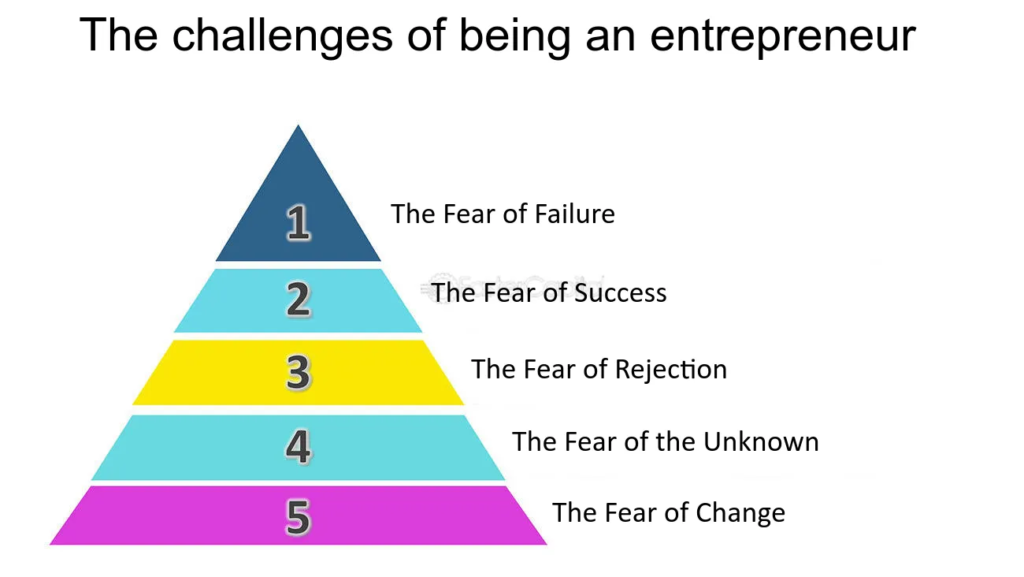
Fear of Failure
Risk, Uncertainty, and Decision Paralysis
Stress, Burnout, and Mental Health
The Loneliness of Entrepreneurship
Legal and Regulatory Challenges
Compliance, Taxes, and Legal Structures
Navigating Complex Regulations
Technology and Innovation Challenges
Keeping Up with Rapid Technological Change
Digital Transformation Barriers
Scaling and Growth Challenges
Growing Too Fast or Too Slow
Sustainable Scaling Strategies
Marketing and Branding Challenges
Building Brand Awareness
Trust and Credibility Issues
Customer Retention Challenges
Managing Customer Expectations
Feedback, Reviews, and Reputation Management
Global and External Challenges
Economic Uncertainty and Market Volatility
Pandemics, Inflation, and Global Crises
Overcoming Entrepreneurship Challenges
Strategies Successful Entrepreneurs Use
Mindset, Mentorship, and Adaptability
Entrepreneurship Challenges:
Entrepreneurship often gets painted as a glamorous journey—freedom, flexible schedules, unlimited income potential, and being your own boss. Sounds exciting, right? But behind every “overnight success” story lies years of struggle, uncertainty, failure, and relentless problem-solving.
Entrepreneurship challenges are not occasional roadblocks; they are constant companions that shape the journey of every founder, solopreneur, and startup team. Understanding these challenges isn’t about discouragement—it’s about preparation.
At its core, entrepreneurship means stepping into the unknown. There’s no guaranteed paycheck, no fixed roadmap, and no safety net unless you build one yourself.
Entrepreneurs must make decisions with incomplete information, manage limited resources, and compete in ever-changing markets. Unlike traditional employment, where roles and expectations are clearly defined, entrepreneurs must create clarity out of chaos every single day.

Understanding the Modern Entrepreneurial Landscape
The entrepreneurial landscape today looks nothing like it did twenty years ago. Technology, globalization, and changing consumer behavior have completely reshaped how businesses are created and scaled. While this evolution has opened up endless opportunities, it has also introduced a new set of challenges that entrepreneurs must deal with from day one.
Today’s entrepreneurs are operating in a hyper-connected world. Information travels fast. Trends rise and fall overnight. Customers have endless choices and little patience.
A single negative review can damage a brand, while a viral moment can skyrocket demand beyond capacity. This unpredictability creates both opportunity and pressure, forcing entrepreneurs to stay agile at all times.Entrepreneurship changed your life.
The Evolution of Entrepreneurship
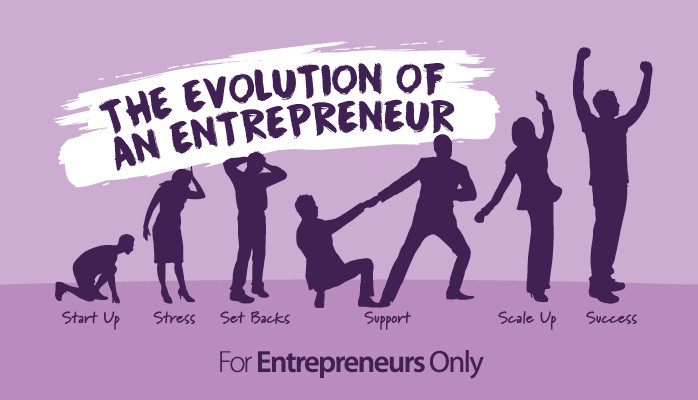
Entrepreneurship has evolved from brick-and-mortar shops and family-owned businesses into digital-first startups, creators, and global brands. In the past, starting a business required significant capital, physical locations, and long approval processes. Today, a laptop and an idea can be enough to launch.
However, entrepreneurship evolution has shifted the nature of challenges rather than eliminating them. Traditional entrepreneurs worried about rent and foot traffic.
Modern entrepreneurs worry about algorithms, online visibility, cybersecurity, and platform dependency. Social media changes, search engine updates, and digital ad costs can make or break a business overnight.
From Traditional Businesses to Digital Startups
The transition from traditional businesses to digital startups has introduced both freedom and fragility. Digital businesses can scale globally without physical expansion, but they are also more exposed to rapid disruption. A change in technology, platform rules, or consumer behavior can instantly impact revenue.
Digital startups face challenges such as:
- Dependence on third-party platforms
- Data privacy and security concerns
- Constant need for content and visibility
- Shorter product life cycles
Unlike traditional businesses with stable local markets, digital startups compete globally from day one. This means higher standards, tougher competition, and constant pressure to innovate. Entrepreneurs must balance creativity with structure, speed with strategy, and growth with sustainability.
Financial Challenges Faced by Entrepreneurs
Money is one of the most common and stressful entrepreneurship challenges. Even the best ideas can fail without proper financial management. Entrepreneurs often underestimate how long it takes to become profitable and how much capital is required to sustain operations during the early stages.
Financial challenges don’t disappear once revenue starts coming in. In fact, growth often creates new financial pressures. Hiring employees, investing in marketing, upgrading technology, and expanding operations all require cash. Without careful planning, businesses can grow themselves into financial trouble.

Lack of Initial Capital
Starting a business without enough capital is like starting a road trip with an empty tank. Many entrepreneurs rely on personal savings, credit cards, or loans to get started. This creates immediate pressure to generate income quickly, often leading to rushed decisions.
Lack of capital can limit:
- Product development quality
- Marketing reach
- Hiring capabilities
- Operational stability
Without sufficient funds, entrepreneurs may cut corners, delay important investments, or burn out trying to do everything themselves. This financial strain can affect both business performance and personal well-being.
Bootstrapping vs External Funding
Bootstrapping gives entrepreneurs full control but limited resources. External funding provides capital but comes with expectations, pressure, and sometimes loss of control. Choosing between these options is a major challenge.
| Funding Type | Pros | Cons |
|---|---|---|
| Bootstrapping | Full ownership, flexibility | Slow growth, personal risk |
| Angel Investors | Mentorship, capital | Equity dilution |
| Venture Capital | Rapid scaling | High pressure, loss of control |
There’s no one-size-fits-all solution. The challenge lies in choosing the right funding path based on goals, industry, and risk tolerance.
FAQs:
1. What are the biggest challenges entrepreneurs face when starting a business?
The biggest challenges entrepreneurs face when starting a business include lack of capital, uncertainty, limited experience, and finding the right market fit. In the early stages, entrepreneurs often struggle with funding because revenue is usually inconsistent or nonexistent.
This financial pressure can force founders to make difficult decisions, such as delaying hiring, reducing marketing efforts, or taking on personal debt. At the same time, uncertainty plays a huge role—there is no guarantee that customers will respond positively to the product or service, which makes every decision feel risky.
2. Why do most startups fail despite having good ideas?
Most startups fail not because of bad ideas, but due to poor execution, weak financial management, and lack of market demand. A great idea means nothing if customers are unwilling to pay for it. Many entrepreneurs fall in love with their product and ignore market feedback, leading to a mismatch between what they offer and what customers actually need.
Cash flow problems are another major reason for failure. Even profitable businesses can collapse if they run out of cash.
3. How does fear of failure affect entrepreneurs?
Fear of failure can significantly impact an entrepreneur’s decision-making, confidence, and growth potential. While a healthy level of fear can encourage caution and planning, excessive fear often leads to hesitation, procrastination, and missed opportunities.
Entrepreneurs may avoid taking calculated risks, launching new products, or entering new markets because they fear negative outcomes.
4. What role does mental health play in entrepreneurship challenges?
Mental health plays a critical role in entrepreneurship, yet it is often overlooked. Entrepreneurs frequently experience high levels of stress, anxiety, and isolation due to long working hours, financial uncertainty, and constant responsibility. Unlike traditional employees, entrepreneurs cannot easily “switch off” from work, which can blur the line between personal and professional life.
5. How can entrepreneurs overcome common entrepreneurship challenges?
Entrepreneurs can overcome common challenges by focusing on preparation, adaptability, and continuous learning. Building a strong foundation starts with market research, financial planning, and realistic goal-setting. Seeking mentorship and networking with other entrepreneurs can provide valuable insights and emotional support.
Conclusion:
Entrepreneurship is not a straight road to success; it is a journey filled with uncertainty, pressure, and constant problem-solving. The challenges entrepreneurs face—whether financial, operational, emotional, or market-related—are not signs of failure but natural parts of building something meaningful from the ground up.
Every successful entrepreneur has faced moments of doubt, setbacks, and hard decisions that tested their patience and resilience.
Continued in next response…
Please say “Continue” to proceed with the next sections.
Please don’t forget to leave a review.
Explore more by joining me on Patreon