


Introduction to Real Estate Growth:
Meaning of Real Estate Boom
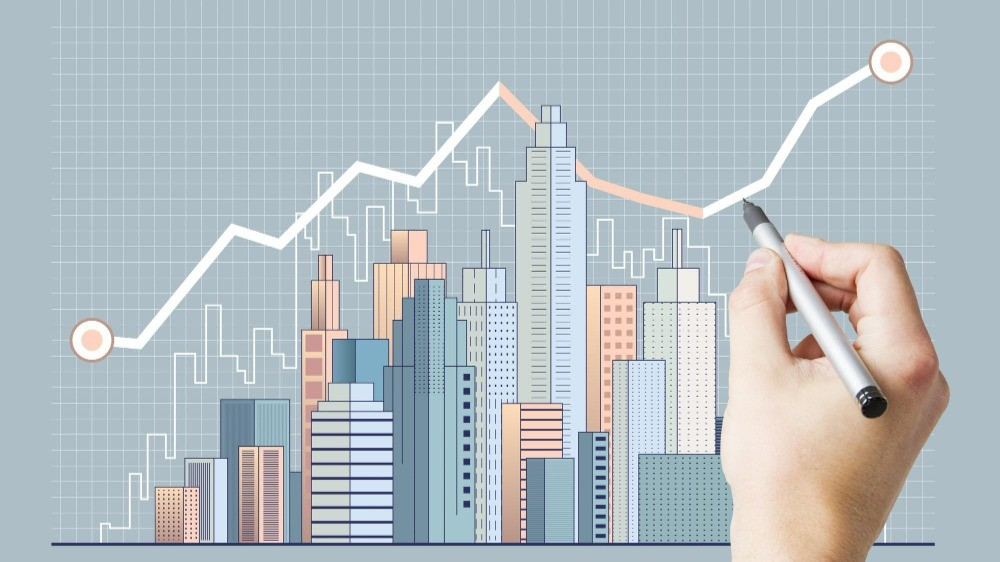
A real estate boom refers to a period when property prices rise rapidly due to high demand, increased investment, and strong economic conditions. It’s not just about houses getting more expensive—it’s about a surge in buying, selling, and building properties across residential, commercial and industrial sectors. Imagine a situation where everyone, from individuals to large corporations, is eager to invest in property because they believe its value will continue to grow. That’s exactly what defines a booming real estate market.
During such periods, construction projects increase significantly. Cities expand, new developments emerge, and infrastructure improves to support the growing demand. Real estate agents, developers, and investors all benefit from this heightened activity. It becomes a central pillar of economic growth, influencing industries like banking, construction, and retail. However, while it may seem like an endless upward trend, the boom is often influenced by multiple external factors such as government policies, global markets, and interest rates.
Understanding what a real estate boom truly means helps businesses and individuals make informed decisions. It’s not just about jumping into the market but recognizing the signs, opportunities, and potential risks. When approached wisely, it can be a powerful tool for wealth creation and business expansion.
Why It Matters in Business
The real estate boom plays a significant role in shaping the business landscape. When property markets thrive, businesses gain access to better infrastructure, prime locations, and increased customer flow. For example, retail businesses benefit from high foot traffic in newly developed commercial areas, while corporate firms can expand operations by acquiring larger office spaces.
Another important aspect is the multiplier effect. A booming real estate sector doesn’t operate in isolation—it stimulates growth in other industries. Construction companies, raw material suppliers, interior designers, and financial institutions all experience increased demand. This interconnected growth strengthens the overall economy and creates a cycle of prosperity.
From an investment perspective, real estate becomes a preferred asset during boom periods. Businesses often diversify their portfolios by investing in commercial properties, rental housing, or land development. This not only generates passive income but also provides long-term financial security. However, the importance of strategic planning cannot be overlooked. Entering the market without proper analysis can lead to losses if the boom slows down.
In simple terms, the real estate boom matters in business because it opens doors to expansion, innovation, and wealth creation. But success depends on understanding market dynamics and making calculated decisions rather than following trends blindly.
Key Drivers of Real Estate Boom
Economic Growth
One of the primary factors behind a real estate boom is strong economic growth. When a country’s economy is thriving, people have higher incomes, better job security, and increased purchasing power. This naturally leads to greater demand for housing and commercial spaces. Businesses expand, new companies emerge, and urban areas develop rapidly to accommodate this growth.
Economic stability also boosts investor confidence. Both local and foreign investors are more willing to put their money into real estate when they see consistent growth and favorable conditions. This influx of capital drives property development and increases competition, pushing prices even higher. In many cases, governments support this growth by investing in infrastructure projects such as roads, public transport, and utilities, making certain areas more attractive for development.
However, economic growth can sometimes create an imbalance between supply and demand. If demand rises too quickly and supply cannot keep up, property prices may become inflated. This is why it’s essential for businesses and investors to monitor economic indicators and avoid overestimating market potential.
Overall, economic growth acts as the backbone of a real estate boom. It creates opportunities for businesses to expand and for individuals to invest, but it also requires careful planning to ensure sustainability.

Low Interest Rates
Another crucial driver of real estate growth is low interest rates. When borrowing money becomes cheaper, more people can afford to take loans for buying property. This increases demand significantly, as both individuals and businesses find it easier to finance real estate investments.
For example, lower mortgage rates mean lower monthly payments, making homeownership more accessible. Similarly, businesses can secure loans to build or purchase commercial properties without facing heavy financial burdens. This surge in borrowing activity fuels the overall market, leading to higher transaction volumes and rising property values.
Banks and financial institutions also play a key role during this period. They often introduce attractive loan packages and flexible repayment options to encourage more borrowing. While this supports growth, it can also lead to over-leveraging if not managed carefully. Borrowers may take on more debt than they can handle, assuming that property values will continue to rise indefinitely.
This is where caution becomes essential. While low interest rates create opportunities, they can also contribute to market instability if demand becomes artificially inflated. Smart investors focus on long-term value rather than short-term gains, ensuring they are prepared for any changes in interest rates.
In essence, low interest rates act as a catalyst for the real estate boom, making investments more accessible and driving market expansion.
Business Opportunities in Real Estate
Investment Potential
The real estate boom presents a wide range of investment opportunities for businesses and individuals alike. From residential properties to commercial spaces, the options are vast and often highly profitable. One of the biggest advantages of investing in real estate is its ability to generate both short-term and long-term returns. Rental income provides a steady cash flow, while property appreciation increases overall wealth over time.
During a boom, emerging markets and developing areas become particularly attractive. Investors often look for locations with upcoming infrastructure projects or growing populations, as these factors can significantly boost property values. For businesses, owning property can also reduce operational costs in the long run, especially when compared to leasing.
Another interesting trend is the rise of real estate investment trusts (REITs), which allow investors to participate in the property market without directly owning physical assets. This makes real estate investment more accessible and diversified.
However, success in this field requires careful research and strategic planning. Not every property guarantees high returns, and market conditions can change rapidly. Investors must consider factors such as location, demand, and future development plans before making decisions.
Ultimately, the investment potential in a booming real estate market is immense, but it rewards those who approach it with knowledge and foresight.
Job Creation and Entrepreneurship
A booming real estate sector doesn’t just benefit investors—it also creates numerous opportunities for job creation and entrepreneurship. As demand for properties increases, so does the need for skilled professionals such as architects, engineers, contractors, and real estate agents. This leads to a surge in employment across various industries.
Entrepreneurs can also capitalize on this growth by starting businesses related to real estate. For example, property management services, interior design firms, and construction companies often thrive during boom periods. Even tech startups focusing on property platforms and digital solutions find a strong market demand.
This growth has a ripple effect on the economy. More jobs mean higher incomes, which in turn increase consumer spending. This creates a cycle of economic expansion that benefits multiple sectors. Additionally, governments often support entrepreneurship through incentives and policies aimed at boosting the real estate industry.
However, competition can be intense, and success requires innovation and adaptability. Businesses must stay updated with market trends and technological advancements to remain competitive.
In short, the real estate boom acts as a powerful engine for job creation and entrepreneurial growth, offering opportunities for those willing to take initiative.
Risks in a Booming Market
Property Bubbles
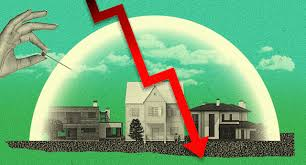
While a real estate boom offers exciting opportunities, it also comes with significant risks, one of the most notable being property bubbles. A bubble occurs when property prices rise beyond their actual value, driven by speculation rather than genuine demand. It’s like inflating a balloon—eventually, it reaches a point where it can no longer hold the pressure and bursts.
During such periods, investors often buy properties with the expectation of selling them at higher prices quickly. This speculative behavior drives prices even higher, creating an unsustainable cycle. When the market corrects itself, property values can drop , leading to financial losses for investors and businesses.
Understanding the signs of a bubble is crucial. Rapid price increases, excessive borrowing, and a surge in speculative investments are common indicators. Businesses must remain cautious and avoid making decisions based solely on market hype.
By focusing on long-term value and realistic expectations, investors can minimize risks and navigate the market more effectively.
Financial Instability
Another major risk associated with a real estate boom is financial instability. When individuals and businesses take on excessive debt to invest in property, they become vulnerable to market fluctuations. If property values decline or interest rates rise, it can lead to difficulties in loan repayment.
This can have a domino effect on the economy. Banks may face increased defaults, leading to stricter lending policies. Businesses relying heavily on real estate investments may struggle to maintain cash flow, affecting their overall operations.
To mitigate these risks, it’s essential to maintain a balanced financial strategy. Diversifying investments, managing debt responsibly, and staying informed about market trends can help reduce potential losses.
Future of Real Estate Business
Technology Impact
Technology is transforming the real estate industry in ways that were unimaginable just a decade ago. From online property listings to virtual tours, digital innovation has made buying and selling properties more accessible and efficient. Artificial intelligence and big data are now being used to analyze market trends, predict property values, and identify investment opportunities.
For businesses, this means better decision-making and improved customer experiences. Real estate platforms allow users to explore properties from the comfort of their homes, saving time and effort. Blockchain technology is also emerging as a tool for secure and transparent transactions.
This technological shift is expected to continue, shaping the future of the industry and creating new opportunities for growth.
Sustainable Development Trends
Sustainability is becoming a key focus in the real estate sector. Developers are increasingly prioritizing green buildings and eco-friendly designs to meet environmental standards and consumer preferences. Energy-efficient homes, renewable energy sources, and smart infrastructure are becoming more common.
This trend not only benefits the environment but also adds value to properties. Buyers are willing to pay a premium for sustainable features, making it a profitable investment for developers.
The future of real estate lies in balancing growth with sustainability, ensuring long-term success for businesses and communities alike.

Conclusion:
The real estate boom in business is a dynamic and multifaceted phenomenon that offers immense opportunities while posing significant risks. Understanding its drivers, historical patterns, and future trends is essential for making informed decisions. By combining strategic planning with market awareness, businesses and investors can harness the potential of this booming sector while minimizing challenges.
FAQs:
1. What causes a real estate boom?
Economic growth, low interest rates, urbanization, and increased investment are the main causes.
2. Is a real estate boom good for businesses?
Yes, it creates opportunities for expansion, investment, and job creation.
3. What are the risks of investing during a boom?
Risks include property bubbles, financial instability, and market corrections.
4. How can investors benefit from a real estate boom?
By investing strategically in high-demand areas and focusing on long-term value.
5. What is the future of the real estate industry?
It will be driven by technology, sustainability, and changing consumer preferences.
Explore more on my Patreon.