


Challenges to Start a Business:
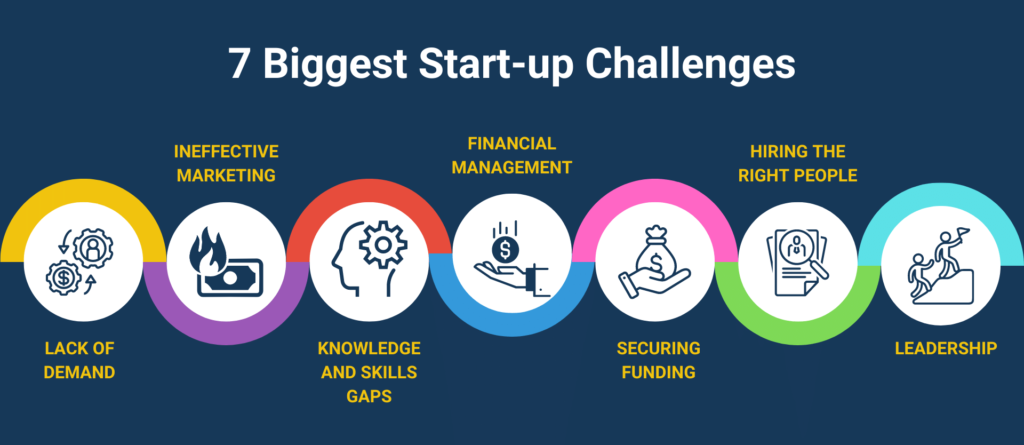
Starting a business is an exciting journey, but it also comes with many challenges. Many people dream of becoming entrepreneurs because they want financial independence, creative freedom, and the ability to build something of their own. However, turning an idea into a successful business requires planning, resources, patience, and hard work. Understanding the common challenges entrepreneurs face can help new business owners prepare better and increase their chances of success.
Lack of Capital
One of the biggest challenges when starting a business is finding enough money to start and run it. Every business needs funds for things like equipment, marketing, rent, technology, and employee salaries. Many new entrepreneurs do not have enough savings, and banks may hesitate to give loans to startups without a proven track record. As a result, many business owners rely on personal savings, loans from friends or family, or small investors to get started.
Market Competition
Another major challenge is competition in the market. In almost every industry, there are already established companies that have loyal customers and strong brand recognition. A new business must work hard to stand out and convince customers to try something new. This often requires unique products, better services, or innovative marketing strategies.

Lack of Experience
Many first-time entrepreneurs struggle because they lack experience in business management. Running a business requires knowledge in several areas such as finance, marketing, operations, and customer service. Without proper experience, business owners may make costly mistakes or poor decisions. Learning continuously and seeking advice from mentors can help overcome this challenge.
Finding the Right Customers
Even if a business offers a great product or service, it can still fail if it cannot reach the right customers. Marketing and customer acquisition are major hurdles for startups. Entrepreneurs must understand their target audience, choose the right marketing channels, and build trust with potential customers. This process takes time and effort.
Managing Time and Stress
Starting a business often requires long working hours and constant problem-solving. Entrepreneurs must handle many responsibilities at once, including managing finances, marketing, and customer relationships. This can lead to high levels of stress and burnout if not managed properly. Good time management and maintaining a healthy work-life balance are important for long-term success.
Understanding the Reality of Entrepreneurship
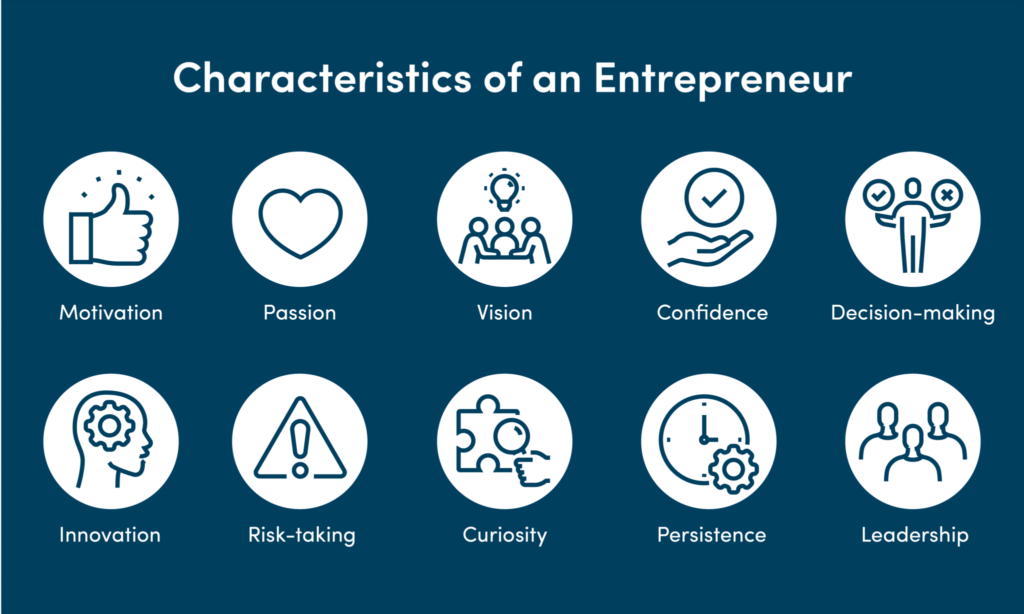
Before launching a business, many people imagine entrepreneurship as a path to freedom—no boss, flexible hours, and unlimited income potential. While these benefits can eventually become reality, the early stages of entrepreneurship are often far more demanding than expected. Understanding the real nature of entrepreneurship is one of the first and most important steps in overcoming startup challenges.
Financial Barriers for New Entrepreneurs
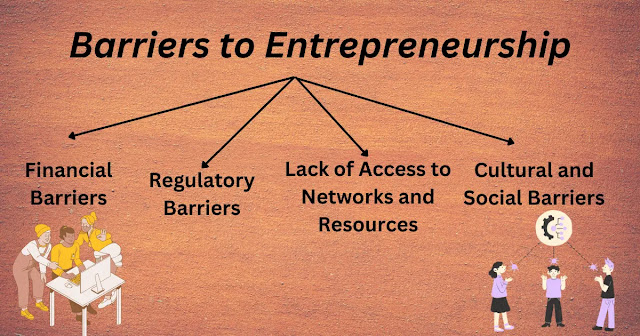
One of the biggest and most immediate challenges when starting a business is access to capital. Every business requires resources—whether it’s purchasing equipment, developing a product, launching a website, or running marketing campaigns. Without sufficient funding, even the most innovative idea can struggle to take off.
For many entrepreneurs, personal savings become the initial funding source. This approach, often called self-funding or bootstrapping, allows founders to maintain full control of their business without relying on external investors. However, it also comes with significant risk. If the business fails, the entrepreneur may lose personal savings that took years to accumulate.
FAQs:
1. What is the biggest challenge in starting a business?
The biggest challenge is often securing enough funding and managing finances during the early stages.
2. Why do many startups fail?
Many startups fail due to poor planning, lack of market demand, financial mismanagement, or strong competition.
3. How can new entrepreneurs reduce risks?
They can reduce risks by conducting proper market research, creating a solid business plan, and starting with a manageable budget.
4. Is experience necessary to start a business?
Experience helps, but it is not always required. Many successful entrepreneurs learn through practice and continuous education.
5. How important is marketing for new businesses?
Marketing is very important because it helps businesses reach customers, build brand awareness, and generate sales.
Conclusion:
Starting a business is not easy, but the challenges are part of the learning process. Financial limitations, competition, lack of experience, and marketing difficulties are common obstacles faced by entrepreneurs. With proper planning, persistence, and continuous learning, these challenges can be overcome. For those who remain committed and adaptable, entrepreneurship can lead to personal growth, innovation, and long-term success.
Please don’t forget to leave a review.
Explore more by joining me on Patreon