


Business Roadmap:
Starting and growing a business without a clear direction is like traveling without a map. A business roadmap provides that direction. It outlines the vision, strategies, goals, and actions required to achieve long-term success. Entrepreneurs and organizations use business roadmaps to plan growth, manage resources, and stay aligned with their mission.
In today’s competitive business environment, having a well-structured roadmap is essential. It helps business owners identify opportunities, reduce risks, and ensure that every decision contributes to the company’s objectives.
This article explores what a business roadmap is, why it is important, and how to create an effective roadmap that drives success.
What Is a Business Roadmap?
A business roadmap is a strategic plan that outlines the steps a company will take to achieve its goals over a specific period. It acts as a visual guide that connects the company’s vision with actionable strategies and measurable milestones.
Unlike a traditional business plan, which focuses more on detailed descriptions and financial projections, a business roadmap highlights the key initiatives and priorities that will move the company forward.
A typical business roadmap includes:
- Company vision and mission
- Short-term and long-term goals
- Key strategies and initiatives
- Milestones and timelines
- Resource allocation
- Performance metrics
The roadmap ensures that everyone in the organization understands the direction of the business and works toward the same objectives.
Importance of a Business Roadmap
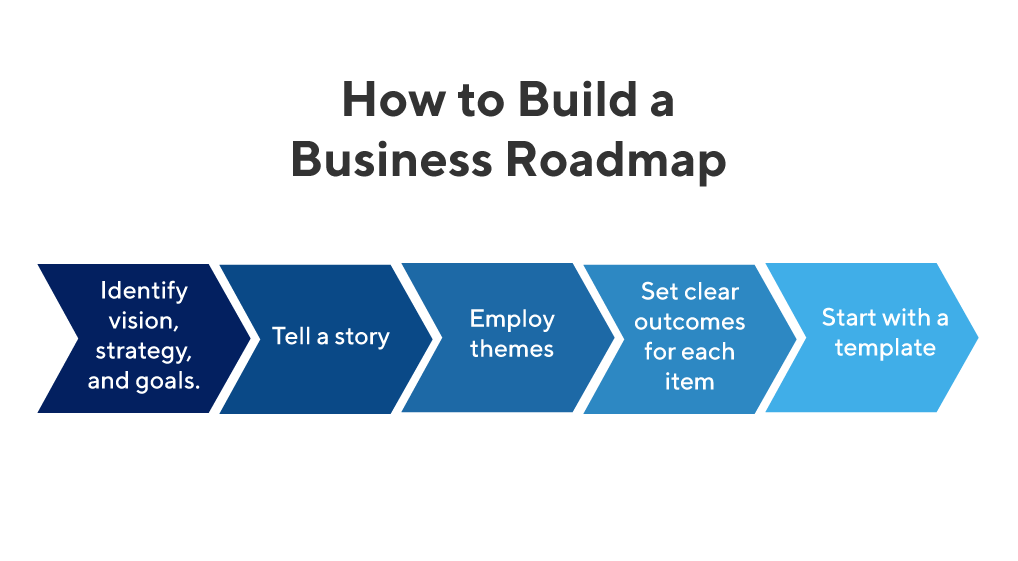
A business roadmap plays a critical role in guiding companies toward success. Without a clear roadmap, businesses may struggle with confusion, poor decision-making, and inefficient use of resources.
One of the main benefits of a business roadmap is clarity. It helps entrepreneurs clearly define where they want the business to go and how they plan to get there. This clarity improves decision-making and ensures that efforts are focused on the most important priorities.
Another advantage is improved communication. A roadmap allows team members, investors, and stakeholders to understand the company’s strategy and progress. When everyone is aligned with the same vision, collaboration becomes more effective.
A business roadmap also helps businesses stay adaptable. Markets change, technologies evolve, and customer preferences shift. A roadmap provides a structured framework that allows companies to adjust their strategies while maintaining their overall direction.
Key Components of a Business Roadmap
Creating a successful business roadmap requires several important components. Each component plays a specific role in guiding the organization.
Vision and Mission
The vision describes the long-term aspiration of the company. It represents where the business wants to be in the future. The mission explains the purpose of the organization and how it serves its customers.
For example, a technology startup may have a vision to become a global leader in digital solutions, while its mission may focus on delivering innovative and affordable technology services.
Business Goals
Goals define what the company wants to achieve within a certain timeframe. These goals can be short-term or long-term.
Examples include:
- Increasing revenue by a certain percentage
- Expanding into new markets
- Launching new products or services
- Improving customer satisfaction
Setting clear and measurable goals helps businesses track their progress.
Strategic Initiatives
Strategic initiatives are the major actions or projects that support the company’s goals. These initiatives outline how the business will achieve its objectives.
For example:
- Developing a new product line
- Implementing digital marketing strategies
- Building strategic partnerships
- Investing in research and development
Each initiative should contribute directly to the overall vision.
Milestones and Timeline
Milestones are key checkpoints that measure progress. They help businesses monitor performance and ensure that strategies are working as planned.
A timeline provides a schedule for completing tasks and achieving milestones. It keeps teams organized and accountable.
Resources and Budget
Resources include the people, technology, and finances needed to execute the roadmap. Businesses must carefully allocate resources to ensure that projects are completed efficiently.
Budget planning is essential for controlling costs and maximizing profitability.
Steps to Create an Effective Business Roadmap
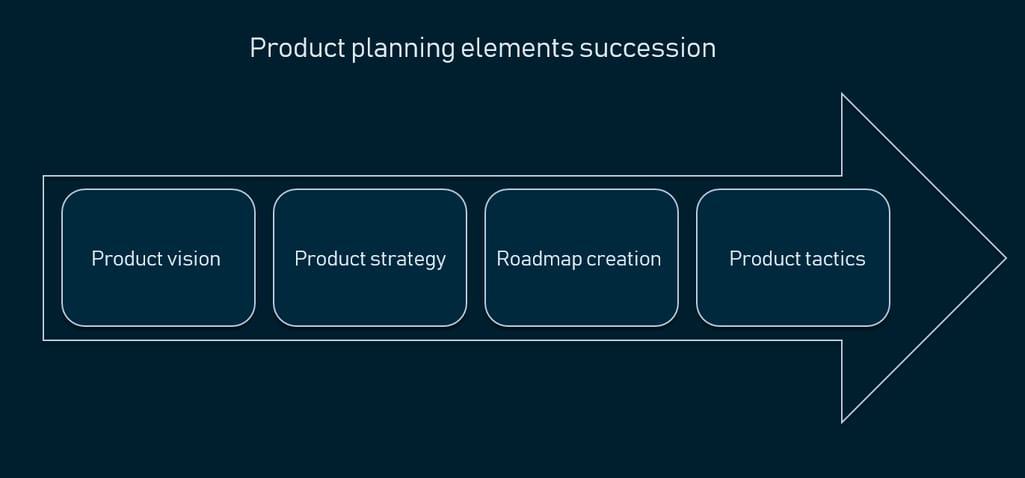
Creating a business roadmap requires careful planning and strategic thinking. The following steps can help entrepreneurs develop a clear and effective roadmap.
1. Define Your Business Vision
The first step is to define the long-term vision of the business. Ask yourself important questions such as:
- What do I want my business to achieve in the next five or ten years?
- What impact do I want to make in the market or industry?
- What problems am I solving for customers?
A strong vision provides motivation and direction for the entire organization.
2. Conduct Market Research
Understanding the market is essential for building a successful roadmap. Market research helps businesses identify opportunities, customer needs, and competitive threats.
This research may include:
- Analyzing industry trends
- Studying competitor strategies
- Understanding customer preferences
- Identifying market gaps
With accurate market insights, businesses can make informed decisions.
3. Set Clear Objectives
Once the vision is defined, the next step is to establish specific objectives. These objectives should follow the SMART framework:
- Specific
- Measurable
- Achievable
- Relevant
- Time-bound
Clear objectives make it easier to measure success and maintain focus.
4. Identify Strategic Priorities
Not every idea can be implemented at once. Businesses must prioritize initiatives that have the greatest impact.
Strategic priorities may include:
- Product development
- Marketing expansion
- Customer experience improvement
- Operational efficiency
Focusing on the most important initiatives ensures efficient use of resources.
5. Develop an Action Plan
An action plan outlines the specific steps needed to execute each strategy. This includes assigning responsibilities, setting deadlines, and defining expected outcomes.
For example, if the strategy is to expand online sales, the action plan may include:
- Building an e-commerce website
- Launching digital advertising campaigns
- Partnering with delivery services
Each task should contribute to achieving the larger goal.
6. Monitor Progress and Adjust
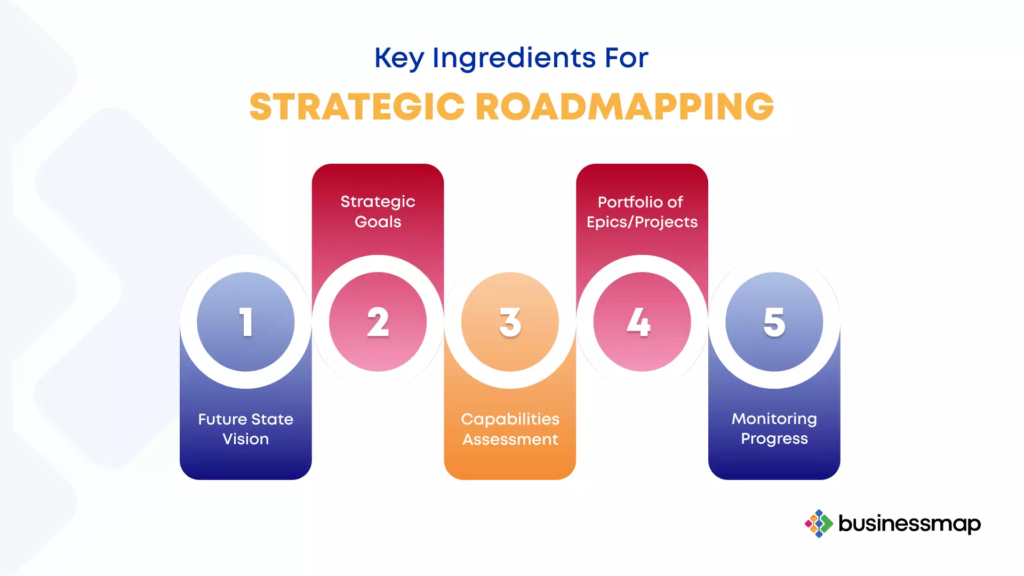
A business roadmap should not remain static. Businesses must continuously monitor performance and make adjustments when necessary.
Key performance indicators (KPIs) help measure progress. Examples include:
- Revenue growth
- Customer acquisition rate
- Market share
- Product adoption rate
Regular evaluation ensures that the business stays on track.
Benefits of a Business Roadmap
Implementing a business roadmap provides numerous advantages for entrepreneurs and organizations.
Improved strategic focus: Businesses can concentrate on initiatives that align with their vision.
Better resource management: A roadmap helps allocate resources efficiently and avoid unnecessary spending.
Enhanced collaboration: Teams work together more effectively when they understand shared goals.
Increased adaptability: Businesses can respond to market changes while maintaining long-term direction.
Higher chances of success: With clear strategies and measurable milestones, businesses are more likely to achieve sustainable growth.
Common Mistakes to Avoid
While creating a business roadmap, entrepreneurs should avoid certain mistakes that can reduce its effectiveness.
One common mistake is setting unrealistic goals. Overly ambitious targets can create pressure and lead to disappointment. Goals should be challenging but achievable.
Another mistake is ignoring market feedback. Businesses must listen to customers and adapt their strategies accordingly.
Lack of flexibility is another issue. A rigid roadmap can become irrelevant if market conditions change.
Finally, poor communication can undermine the roadmap. Teams must understand their roles and responsibilities to execute strategies effectively.

FAQs:
1. What is the main purpose of a business roadmap?
The main purpose of a business roadmap is to outline the strategies, goals, and actions required to achieve long-term business success.
2. How is a business roadmap different from a business plan?
A business plan focuses on detailed descriptions and financial projections, while a business roadmap highlights strategic priorities and milestones.
3. How often should a business roadmap be updated?
It should be reviewed regularly, usually every quarter or year, to ensure it aligns with market conditions and business progress.
4. Who should be involved in creating a business roadmap?
Business owners, managers, team leaders, and key stakeholders should collaborate to ensure the roadmap reflects organizational goals.
5. Can small businesses benefit from a business roadmap?
Yes, small businesses can greatly benefit because a roadmap helps them stay focused, manage resources effectively, and plan for growth.
Conclusion:
A business roadmap is a powerful tool that helps entrepreneurs and organizations navigate the path to success. It connects vision with strategy, transforming ideas into actionable plans. By defining goals, prioritizing initiatives, and tracking progress, businesses can maintain focus and adapt to changing environments.
In a competitive marketplace, companies that operate without a roadmap often struggle to maintain direction. Those with a clear and well-structured roadmap are better equipped to overcome challenges, seize opportunities, and achieve long-term growth.
For entrepreneurs, the roadmap is more than just a plan—it is a guide that turns ambition into reality.
Please don’t forget to leave a review.
Explore more by joining me on Patreon