
Researcher Entrepreneurship:
- What Is Researcher Entrepreneurship?
- Why Researchers Are Becoming Entrepreneurs
The Evolution of Researcher Entrepreneurship
- From Academic Labs to Market Solutions
- The Rise of Knowledge-Based Economies
- Universities as Startup Incubators
Researcher vs Traditional Entrepreneur
- Key Differences in Thinking and Approach
- Strengths Researchers Bring to Entrepreneurship
- Common Challenges Researchers Face
The Researcher Mindset in Business
- Analytical Thinking and Problem-Solving
- Evidence-Based Decision Making
- Curiosity as a Competitive Advantage
Identifying Commercial Opportunities From Research
- Turning Research Findings Into Products
- Recognizing Market-Relevant Problems
- Technology Transfer and Commercialization
Intellectual Property and Innovation Ownership
- Understanding Patents, Copyrights, and Trademarks
- University IP Policies Explained
- Protecting Ideas Without Slowing Innovation
Market Validation for Research-Based Ideas
- Why Research Alone Is Not Enough
- Customer Discovery for Researchers
- Testing Assumptions Outside the Lab
Business Models for Researcher Entrepreneurs
- Licensing vs Startup Creation
- Deep Tech, Biotech, and SaaS Models
- Choosing the Right Commercial Path
Funding Options for Researcher Entrepreneurs
- Research Grants vs Startup Funding
- Government and Innovation Grants
- Venture Capital for Research-Based Startups
Building Interdisciplinary Teams
- Why Researchers Need Business Partners
- Collaborating With Industry Experts
- Leadership in Cross-Functional Teams
From Lab to Market
- Scaling Research Into Real-World Applications
- Regulatory and Compliance Challenges
- Product Development Cycles
The Role of Universities and Research Institutions
- Incubators, Accelerators, and Spin-Offs
- Mentorship and Entrepreneurial Education
- Industry-Academia Collaboration
Ethical Considerations in Researcher Entrepreneurship
- Balancing Profit and Scientific Integrity
- Responsible Innovation
- Social Impact and Sustainability
Common Mistakes Researcher Entrepreneurs Make
- Overvaluing Technology and Undervaluing Customers
- Delaying Market Entry
- Avoiding Business Responsibilities
The Future of Researcher Entrepreneurship
- AI, Deep Tech, and Frontier Innovation
- Global Collaboration Opportunities
- Policy and Ecosystem Support
Researcher Entrepreneurship: Bridging Innovation and Business
Researcher entrepreneurship sits at the powerful intersection of discovery and impact. It’s where curiosity-driven research meets real-world problems, and where ideas born in laboratories, libraries, and research centers evolve into products, services, and solutions that shape industries.
In simple terms, researcher entrepreneurship is the process through which researchers transform their knowledge, discoveries, and innovations into commercial or societal value.
For decades, research and business lived in separate worlds. Researchers focused on publishing papers, advancing theory, and pushing the boundaries of knowledge, while entrepreneurs concentrated on markets, customers, and profits.
The Evolution of Researcher Entrepreneurship
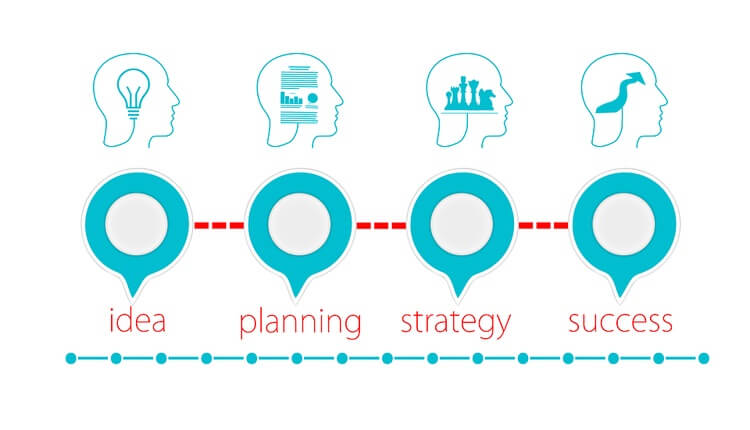
Researcher entrepreneurship didn’t emerge overnight. It evolved alongside changes in global economies and innovation systems. In the past, research institutions were primarily knowledge factories, and commercialization was considered secondary or even inappropriate. Publishing papers was the ultimate goal. Today, impact matters just as much as citations.
As economies shifted toward knowledge-based and innovation-driven models, governments and industries began looking to research institutions as engines of growth.
Universities started filing patents, launching spin-offs, and establishing technology transfer offices. Researchers were encouraged—not discouraged—to think about applications of their work.

Researcher vs Traditional Entrepreneur
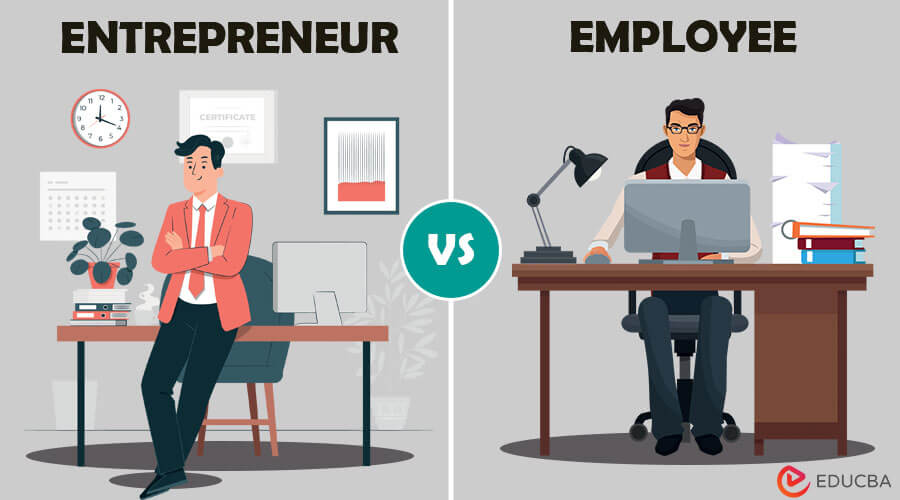
While both aim to create value, researcher entrepreneurs and traditional entrepreneurs often approach problems differently. Traditional entrepreneurs tend to move fast, test quickly, and iterate based on market feedback. Researchers, on the other hand, are trained to be thorough, cautious, and evidence-driven.
This difference is both a strength and a challenge. Researchers excel at understanding complex systems, analyzing data, and uncovering root causes.
These skills are invaluable when building technology-driven or science-based ventures. However, the same traits can slow decision-making in fast-paced markets.
The Researcher Mindset in Business
The researcher mindset is a hidden superpower in entrepreneurship. At its core, research is about asking the right questions, forming hypotheses, testing assumptions, and learning from results. Interestingly, this mirrors the entrepreneurial process more closely than many realize.
Evidence-based decision-making allows researcher entrepreneurs to cut through noise. Instead of chasing trends blindly, they analyze data, validate assumptions, and make informed choices. This approach reduces guesswork and increases long-term resilience.
Identifying Commercial Opportunities From Research
Not every research project is meant to become a business, and that’s perfectly okay. The key is recognizing when research has real-world relevance beyond academic contribution. Commercial opportunities often emerge when research solves a practical, scalable problem.
One effective approach is problem-first thinking. Instead of asking, “How can I sell this research?” researchers can ask, “Who struggles with the problem my research addresses?” This shift in perspective opens doors to new applications and industries.
Intellectual Property and Innovation Ownership
Intellectual property sits at the heart of researcher entrepreneurship. Understanding how to protect and manage IP is essential for turning research into sustainable ventures. Patents, copyrights, and trademarks serve as both shields and assets.
For researchers working within universities, IP ownership can be complex. Institutions often retain certain rights, especially when research is publicly funded. Navigating these policies requires clarity and early communication with technology transfer offices.

Market Validation for Research-Based Ideas
One of the most common pitfalls for researcher entrepreneurs is assuming that technical excellence guarantees market success. In reality, customers don’t buy research—they buy solutions. Market validation bridges this gap.
Customer discovery is a critical step. It involves talking to potential users, understanding their workflows, and identifying pain points. These conversations often challenge assumptions formed in controlled research environments.
FAQs:
Can researchers really become successful entrepreneurs?
Absolutely. Researchers are often exceptionally well-positioned to become successful entrepreneurs, even if they don’t initially see themselves that way. At their core, researchers are trained problem-solvers.
They know how to identify gaps in existing knowledge, design solutions, test hypotheses, and iterate based on evidence. These skills translate remarkably well into entrepreneurship, especially in fields like deep tech, biotech, AI, healthcare, energy, and data science.
Do researchers need to leave academia to become entrepreneurs?
No, leaving academia is not always necessary. In fact, many researcher entrepreneurs successfully operate in both worlds, at least during the early stages. Universities increasingly encourage entrepreneurship through spin-offs, part-time leaves, incubators, and flexible policies that allow researchers to commercialize their work while maintaining academic roles.
How can researchers protect their ideas while commercializing them?
Protecting ideas begins with understanding intellectual property. For researchers, this often means patents for inventions, copyrights for software or written material, and trademarks for branding. The key is timing. Publicly disclosing research—through papers, conferences, or presentations—before securing IP protection can limit commercialization options.
What industries are best suited for researcher entrepreneurship?
Researcher entrepreneurship thrives in industries where deep expertise, long development cycles, and high barriers to entry exist. These include biotechnology, pharmaceuticals, medical devices, artificial intelligence, machine learning, clean energy, advanced materials, robotics, and cybersecurity. In these fields, research-driven innovation is not optional—it’s essential.
Is researcher entrepreneurship financially risky?
Like all forms of entrepreneurship, researcher entrepreneurship carries financial risk—but the nature of that risk is different. Research-based ventures often require more time and capital upfront, especially in regulated or technology-intensive industries. However, they also tend to build stronger competitive moats through intellectual property and technical complexity.
Conclusion:
Researcher entrepreneurship represents a powerful shift in how knowledge moves from discovery to real-world impact. It proves that research does not have to end with publications, citations, or conference presentations. Instead, it can evolve into solutions that improve lives, strengthen economies, and address some of the most complex challenges facing society today. When researchers step into entrepreneurship, they extend the life of their work far beyond the lab, allowing ideas to create tangible and lasting value.
At its heart, researcher entrepreneurship is about connection—connecting theory with practice, innovation with application, and curiosity with purpose.
Please don’t forget to leave a review.
Explore more by joining me on Patreon
Continued in next response…