

Networking and Leadership:
Entrepreneurship isn’t just about having a great idea—it’s about execution, relationships, and influence. Two of the most powerful forces behind any successful entrepreneur are networking and leadership. These aren’t optional skills; they’re essential tools that shape how businesses grow, adapt, and survive in competitive markets.

The Importance of Networking in Entrepreneurship
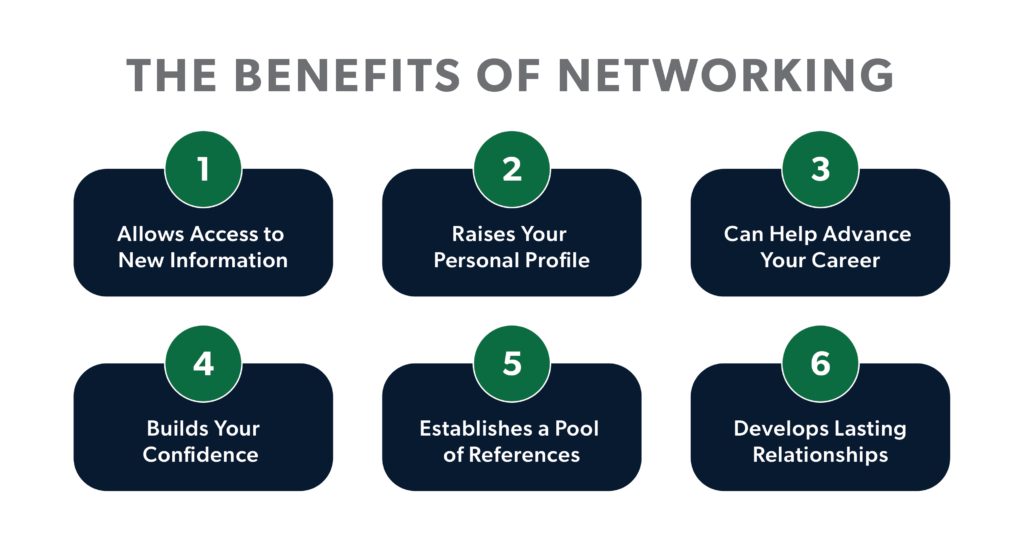
Networking acts as the backbone of entrepreneurial success. It opens doors to opportunities that you simply can’t access alone. Whether it’s finding investors, partners, customers, or mentors, a strong network accelerates progress.
For entrepreneurs, networking is less about collecting contacts and more about building meaningful relationships. A single genuine connection can lead to collaborations, referrals, or insights that change the direction of a business. It’s like having access to a map in unfamiliar territory—you move faster and make fewer mistakes.
In today’s digital world, networking has expanded beyond physical events. Platforms like LinkedIn, online communities, and industry forums allow entrepreneurs to connect globally. Still, authenticity remains key. People prefer to work with those they trust, not just those who are visible.
Leadership in Entrepreneurship
Leadership is what turns ideas into reality. An entrepreneur is not just a founder—they are a leader who must guide a team, make decisions, and create a vision others can follow.
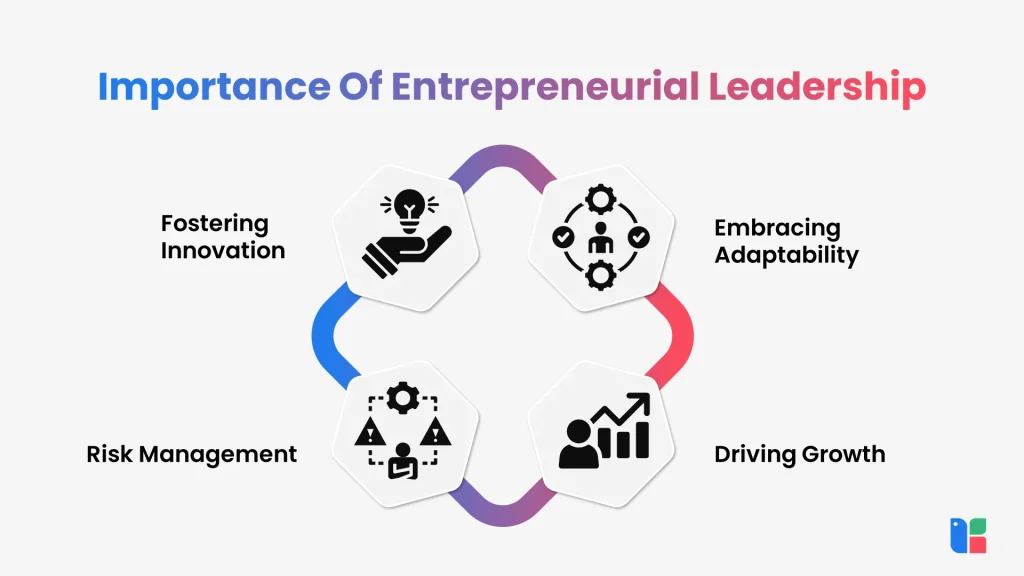
Effective leadership starts with clarity of vision. If you don’t know where you’re going, how can anyone else follow? Strong leaders communicate their goals clearly and inspire others to work toward them. They don’t just manage people—they motivate and empower them.
Another critical aspect is adaptability. Entrepreneurship is unpredictable, and leaders must be ready to pivot when necessary. Those who cling too tightly to one plan often struggle, while flexible leaders find new paths to success.
How Networking and Leadership Work Together
Networking and leadership are deeply connected. A good leader builds strong relationships, and strong relationships enhance leadership influence. When entrepreneurs network effectively, they gain knowledge, perspectives, and support that improve their leadership decisions.
For example, connecting with experienced entrepreneurs can provide guidance during tough decisions. Mentorship, in particular, is a powerful outcome of networking that directly strengthens leadership skills.
At the same time, leadership enhances networking. People are naturally drawn to individuals who are confident, clear in their vision, and capable of creating value. In other words, strong leaders attract strong networks.
Key Skills for Success
To succeed in both networking and leadership, entrepreneurs should focus on a few core skills:
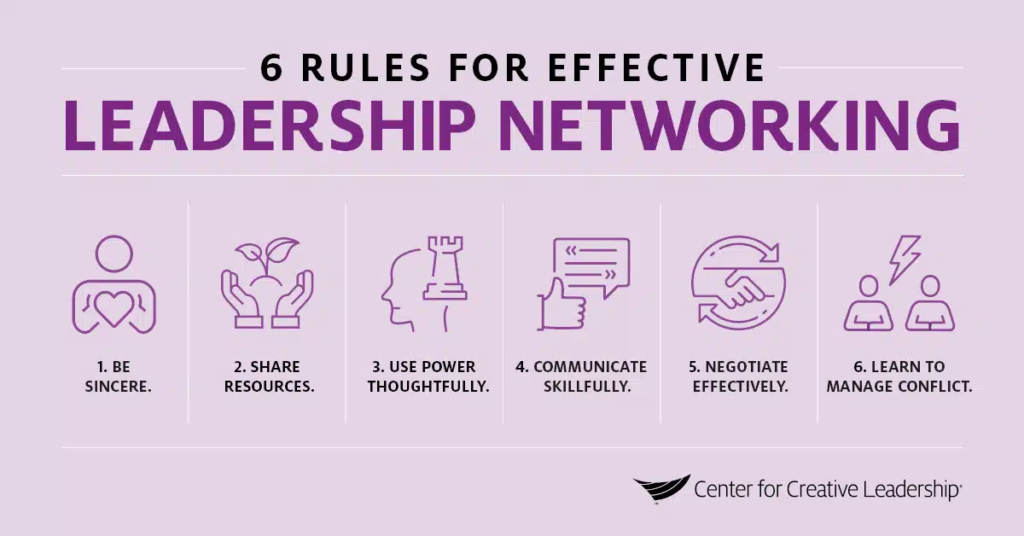
- Communication: Clear and confident communication builds trust and understanding.
- Emotional Intelligence: Understanding people’s emotions helps in building stronger relationships.
- Consistency: Relationships grow over time, not overnight.
- Value Creation: Always think about what you can offer, not just what you can gain.
These skills act as the bridge between knowing people and leading them effectively.
Common Challenges
Many entrepreneurs struggle with networking due to fear of rejection or lack of confidence. Others treat networking as purely transactional, which weakens relationships.
On the leadership side, common mistakes include poor decision-making, lack of accountability, and failure to communicate effectively. These issues can damage both team morale and professional networks.
Recognizing these challenges early allows entrepreneurs to improve and grow faster.
FAQs:
1. Why is networking important for entrepreneurs?
It helps entrepreneurs access opportunities, gain insights, and build partnerships that accelerate business growth.
2. Can an entrepreneur succeed without leadership skills?
It’s very difficult. Leadership is essential for guiding teams, making decisions, and executing ideas.
3. How can I improve my networking skills?
Focus on building genuine relationships, communicating clearly, and providing value to others.
4. What is the biggest leadership challenge in entrepreneurship?
Handling uncertainty while making effective decisions and maintaining team confidence.
5. How do networking and leadership complement each other?
Networking provides resources and connections, while leadership uses those resources to achieve goals.
Conclusion:
Networking and leadership are not separate elements—they work hand in hand to drive entrepreneurial success. Networking creates opportunities, while leadership turns those opportunities into results.
An entrepreneur who builds strong relationships and leads with clarity, adaptability, and authenticity is far more likely to succeed. In the end, it’s not just about what you know or what you build—it’s about who you connect with and how you lead them forward.
Please don’t forget to leave a review.