
Future Investment in Fintech:
The world of finance is changing faster than ever, and at the center of this transformation is fintech, short for financial technology. From mobile banking apps to cryptocurrency platforms, fintech is reshaping how people manage, invest, and move money. For investors, this shift isn’t just interesting—it’s full of opportunity.
Think about how often you use digital payments or online banking. Now imagine that behavior multiplied across billions of users worldwide. That’s exactly why fintech has become one of the most attractive sectors for future investment. It combines innovation, scalability, and constant demand, making it a powerful force in the global economy.
As we look ahead, fintech is expected to grow significantly, driven by advancements in technology and changing consumer expectations. Investors who understand these trends early can position themselves for long-term success.

How Fintech is Transforming Banking
Fintech is not just influencing banking—it’s redefining it. One of the biggest changes is the shift toward digital banking. Customers no longer need to visit a branch to open an account or transfer money. Everything can be done from a smartphone within minutes.
Another major transformation is in payments and transactions. Services like mobile wallets and peer-to-peer payment apps have made sending money as easy as sending a text message. This convenience has forced traditional banks to upgrade their systems to stay competitive.
Key Trends Driving Fintech Growth
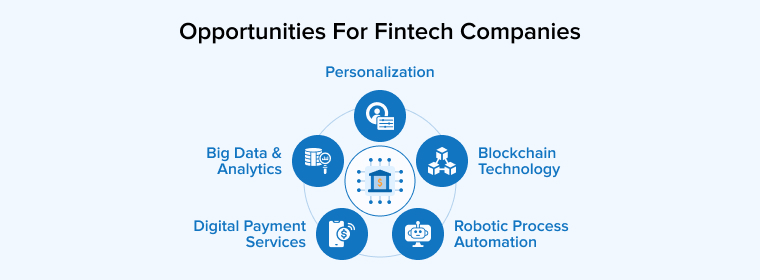
One of the biggest drivers of fintech investment is the rise of digital payments. Cash is slowly becoming obsolete, especially in urban areas where people prefer contactless and mobile transactions. Companies like PayPal, Square, and Stripe have already transformed payment systems, but the growth is far from over.
Another major trend is blockchain and decentralized finance (DeFi). These technologies are challenging traditional banking systems by offering transparent, secure, and decentralized alternatives. While still evolving, blockchain has the potential to revolutionize everything from cross-border payments to asset ownership.
Artificial intelligence (AI) is also playing a huge role. Financial institutions are using AI to improve fraud detection, automate customer service, and provide personalized financial advice. This not only improves efficiency but also enhances user experience, making fintech platforms more appealing.
Investment Opportunities in Fintech
When it comes to investing in fintech, there are multiple entry points. One popular option is investing in fintech startups. These companies often focus on innovation and can deliver high returns if they succeed. However, they also come with higher risks, as not all startups survive.
For those looking for more stability, public fintech companies offer a safer route. These include established firms listed on stock exchanges that have already proven their business models. Investors can also explore fintech-focused ETFs, which provide diversification by spreading investments across multiple companies.
Another growing opportunity lies in emerging markets. In regions where traditional banking infrastructure is limited, fintech solutions are filling the gap. This creates massive growth potential, especially in countries across Asia and Africa.
Risks to Consider
While fintech offers exciting opportunities, it’s not without risks. One major concern is regulation. Governments around the world are still figuring out how to regulate fintech, especially areas like cryptocurrency. Sudden policy changes can impact investments significantly.
Cybersecurity is another critical issue. Since fintech platforms deal with sensitive financial data, they are prime targets for cyberattacks. Companies that fail to protect user data can lose trust quickly, affecting their growth and valuation.
Market competition is also intense. New startups are entering the space constantly, making it difficult for companies to maintain a competitive edge. Investors need to carefully evaluate which companies have sustainable business models.
Challenges in the Fintech-Banking Ecosystem
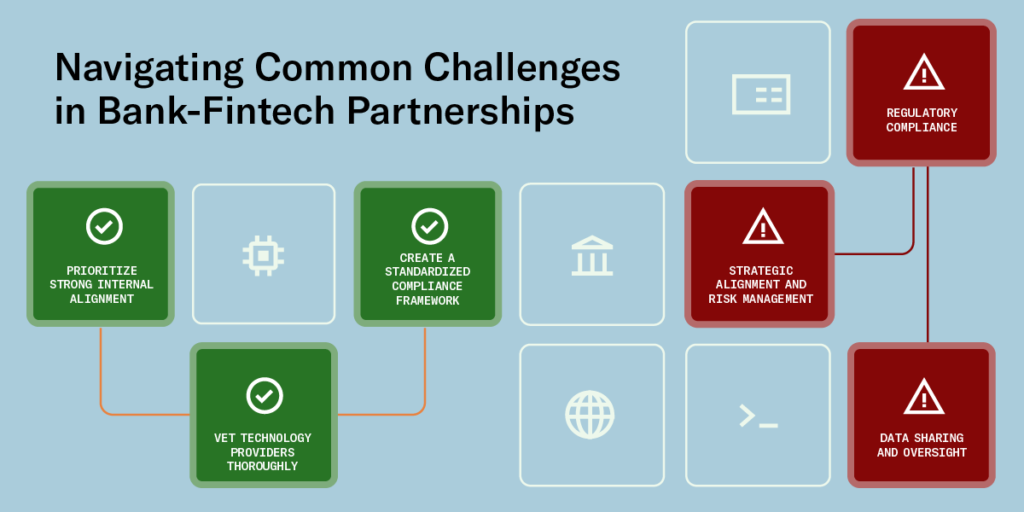
Despite the benefits, the integration of fintech and banking comes with challenges. One major issue is regulation. Banks operate under strict regulatory frameworks, while fintech companies often move faster and may face fewer initial restrictions. Aligning these differences can be complex.
Another concern is cybersecurity. As financial services become more digital, the risk of data breaches and cyberattacks increases. Both fintech firms and banks must invest heavily in security to maintain customer trust.
Future Outlook for Fintech Investment
Looking ahead, the future of fintech investment appears incredibly promising. Experts predict that the industry will continue to expand as more people adopt digital financial services. Concepts like cashless economies, embedded finance, and hyper-personalized banking are expected to become mainstream.
Big tech companies are also entering the fintech space, creating new opportunities and challenges. Their vast resources and user bases give them a strong advantage, but they also increase competition for smaller players.
For investors, the key is to stay informed and adaptable. Fintech is a dynamic sector, and success often depends on understanding emerging trends before they become widely adopted.
Future of Fintech and Banking
The future of fintech and banking is not about one replacing the other—it’s about integration and evolution. We’re moving toward a hybrid financial system where technology and traditional banking coexist and enhance each other.
Innovations like artificial intelligence, blockchain, and embedded finance will continue to shape the industry. Banking services will become more personalized, predictive, and accessible than ever before.

FAQs:
1. What is fintech investment?
Fintech investment refers to putting money into companies or technologies that aim to improve or automate financial services using digital tools.
2. Is fintech a good long-term investment?
Yes, fintech has strong long-term growth potential due to increasing digital adoption and innovation in financial services.
3. What are the risks of investing in fintech?
Key risks include regulatory changes, cybersecurity threats, and high competition within the industry.
4. How can beginners invest in fintech?
Beginners can start by investing in fintech stocks, ETFs, or exploring venture capital opportunities if they have higher risk tolerance.
5. Which fintech sectors are growing the fastest?
Digital payments, blockchain, AI-driven finance, and embedded finance are among the fastest-growing sectors.
6. Is fintech safe to use?
Most fintech platforms use advanced security measures, but users should always choose trusted providers and follow best practices.
7. What is open banking?
Open banking allows secure sharing of financial data between institutions to provide better and more personalized services.
8. What is the future of fintech and banking?
The future lies in integration, with both sectors working together to deliver faster, smarter, and more accessible financial solutions.
Conclusion:
Fintech is not just a trend—it’s the future of finance. With rapid technological advancements and growing global demand, the sector offers significant investment opportunities. However, like any investment, it requires careful analysis and risk management.
By focusing on key trends such as digital payments, AI, and blockchain, and by diversifying across different investment options, investors can position themselves to benefit from the fintech revolution. The future is digital, and fintech is leading the way.
Explore more on my Patreon.