

Future Investment in Real Estate
The future of real estate investment is evolving rapidly, driven by technology, changing lifestyles, and global economic shifts. While property has always been considered a stable and reliable asset, modern trends are reshaping how, where, and why people invest. Understanding these changes can help investors make smarter, forward-looking decisions.

Technology is Transforming Real Estate
One of the biggest drivers of change in real estate is technology. Tools like artificial intelligence, big data, and virtual reality are making property investment more accessible and efficient. Investors can now analyze markets, predict trends, and even take virtual tours of properties without leaving their homes. This digital transformation is reducing risks and improving decision-making.
Rise of Smart and Sustainable Properties
Future real estate investments will heavily focus on smart homes and eco-friendly buildings. Buyers and renters increasingly prefer properties with energy-efficient systems, automation, and sustainable designs. Green buildings not only reduce environmental impact but also offer long-term cost savings, making them attractive for investors.
Urbanization and Emerging Markets
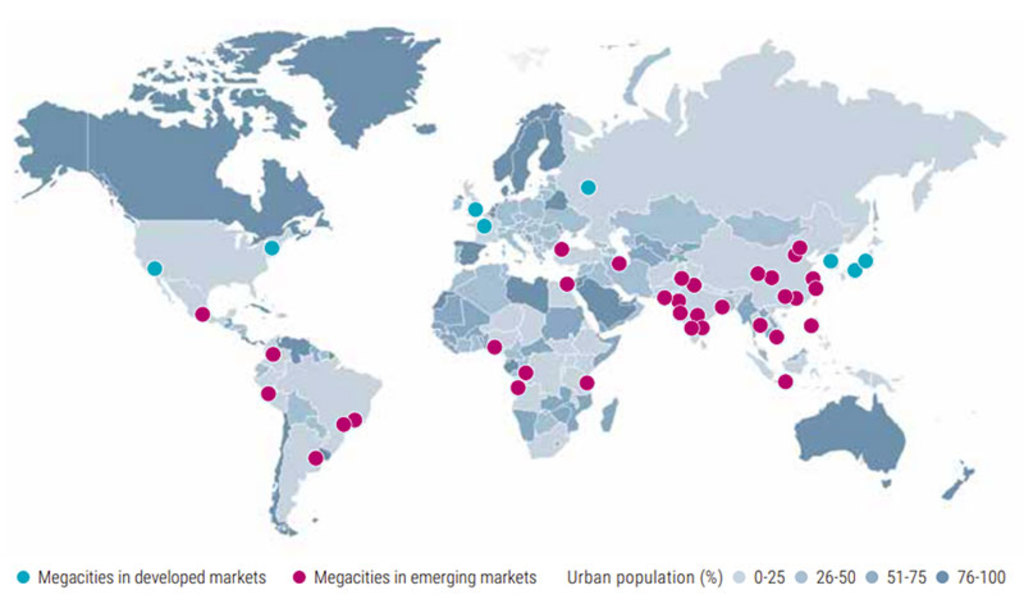
As more people move to cities, urban areas continue to be hotspots for real estate investment. However, emerging markets in developing countries are also gaining attention due to their high growth potential. These regions often offer lower entry costs and higher returns, making them appealing for forward-thinking investors.
Shift Toward Flexible Living and Workspaces
The way people live and work is changing. Remote work has increased demand for flexible spaces, co-living arrangements, and suburban properties. Commercial real estate is also adapting, with more emphasis on co-working spaces and hybrid office models. Investors who adapt to these trends can capitalize on new opportunities.
Real Estate Investment Trusts (REITs) and Digital Platforms
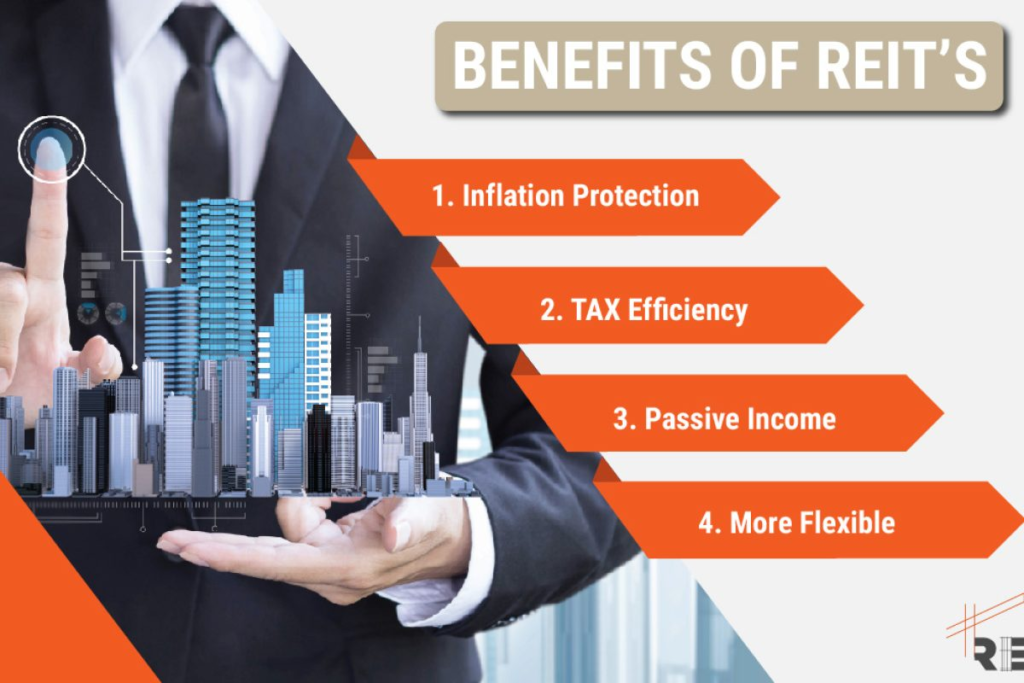
Modern investors are no longer limited to buying physical property. REITs and online real estate platforms allow individuals to invest in property portfolios with smaller amounts of capital. This democratization of real estate is opening doors for new investors and increasing market participation.
Challenges in Future Real Estate Investment
Despite the opportunities, there are challenges to consider. Market volatility, changing regulations, and economic uncertainty can impact returns. Interest rate fluctuations and geopolitical factors also play a role in shaping the real estate landscape. Investors need to stay informed and flexible to navigate these risks.
Why Real Estate Remains a Strong Investment Option
Tangible Asset Value and Stability
There’s something inherently reassuring about investing in real estate—it’s physical, it’s visible, and it’s not going to disappear overnight. Unlike stocks or cryptocurrencies that can fluctuate wildly based on market sentiment, real estate offers a sense of stability that many investors crave. You can walk through your investment, touch it, improve it, and even generate income from it. That tangible nature gives real estate a psychological and financial edge.
Historical Perspective of Property Investment
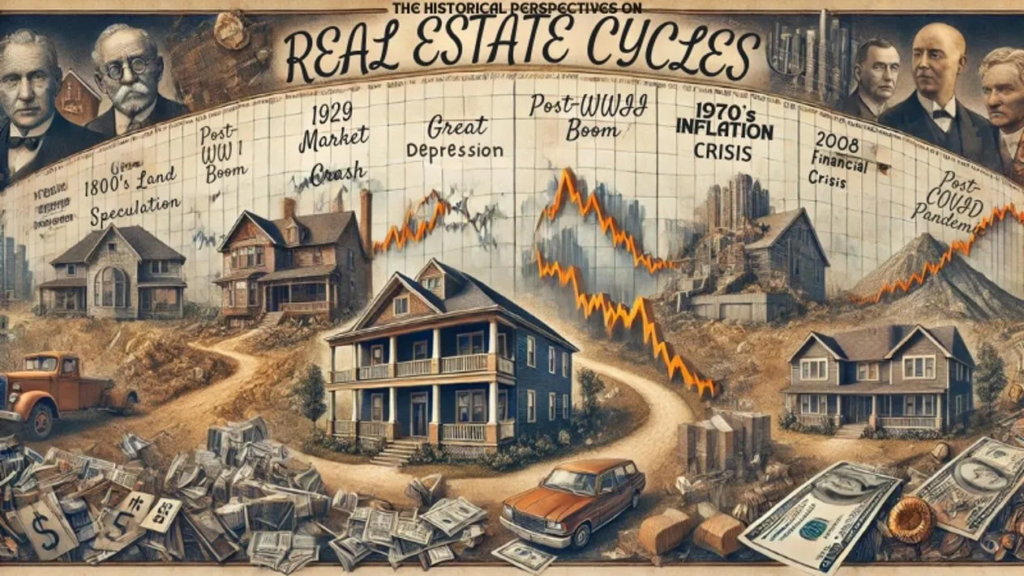
Real estate has always been one of the most reliable ways to build wealth, but the way people invest in property has changed dramatically over time. If you rewind a few decades, property investment was mostly limited to wealthy individuals or institutions with significant capital. Back then, the process was slow, paperwork-heavy, and heavily dependent on local knowledge and personal connections.
FAQs:
1. Is real estate still a good investment in the future?
Yes, real estate remains a strong investment due to its stability, income potential, and long-term appreciation.
2. What trends will shape real estate investment?
Technology, sustainability, urbanization, and flexible living spaces are key trends.
3. Are REITs a good option for beginners?
Yes, REITs allow beginners to invest in real estate without owning physical property.
4. What are the risks of future real estate investment?
Risks include market fluctuations, regulatory changes, and economic uncertainty.
5. How can I start investing in real estate?
Start by researching markets, setting a budget, and considering options like rental properties or REITs.
Conclusion:
The future of real estate investment is not just about buying property—it’s about understanding a rapidly changing landscape and positioning yourself ahead of the curve. As technology continues to reshape how transactions are made and how markets are analyzed, investors now have more tools than ever to make informed decisions. At the same time, shifting lifestyle preferences, such as remote work and demand for sustainable living, are redefining what makes a property valuable in the long run.
Please don’t forget to leave a review.
Explore more by joining me on Patreon