
Why Multiple Income Streams Matter Today
Understanding Multiple Income Streams
What Is an Income Stream?
Active Income vs Passive Income
The Entrepreneurial Mindset
How Entrepreneurs Think Differently About Money
Risk, Control, and Opportunity
Starting With One Strong Income Stream
Why a Primary Income Source Is Essential
Stability Before Expansion
Skill-Based Income Streams
Monetizing Personal Skills and Expertise
Freelancing, Consulting, and Coaching
Business Ownership as an Income Stream
Building Scalable Businesses
Systems, Teams, and Processes
Digital Income Streams
Online Courses, Ebooks, and Digital Products
Automation and Scalability
Content Creation and Personal Branding
Blogs, YouTube, Podcasts, and Social Media
Ads, Sponsorships, and Affiliate Marketing
Investment-Based Income Streams
Stocks, Dividends, and Index Funds
Short-Term vs Long-Term Investing
Real Estate Income Streams
Rental Properties and Real Estate Investments
Benefits and Risks of Property Income
E-commerce and Product Sales
Physical Products, Dropshipping, and Print-on-Demand
Branding and Customer Experience
Partnerships and Joint Ventures
Leveraging Other People’s Skills and Audiences
Revenue Sharing Models
Franchising and Licensing
Scaling Proven Systems
Earning Royalties and Residual Income
Time Management for Multiple Income Streams
How Entrepreneurs Avoid Burnout
Tools, Delegation, and Automation
Common Mistakes Entrepreneurs Make
Trying to Do Too Much Too Soon
Avoiding Shiny Object Syndrome
Optimizing and Scaling Income Streams
Tracking Performance and ROI
When to Scale, Pause, or Exit
Entrepreneurs Build Multiple Income Streams
Introduction: Why Multiple Income Streams Matter Today
Entrepreneurs build multiple income streams because relying on a single source of income is no longer enough in today’s fast-changing world. Markets shift quickly, industries evolve, and economic uncertainty has become the norm rather than the exception. Entrepreneurs understand that putting all their financial hopes into one paycheck, one client, or one business is risky. Instead, they design their lives and businesses around diversification, flexibility, and long-term sustainability.
Multiple income streams provide more than just extra money. They create stability, confidence, and freedom. When one income stream slows down, others can keep things moving.
This reduces stress and allows entrepreneurs to make smarter decisions instead of reacting out of fear. It also opens the door to opportunities that might otherwise feel too risky, such as investing, experimenting with new ideas, or taking time off to think strategically.
Understanding Multiple Income Streams
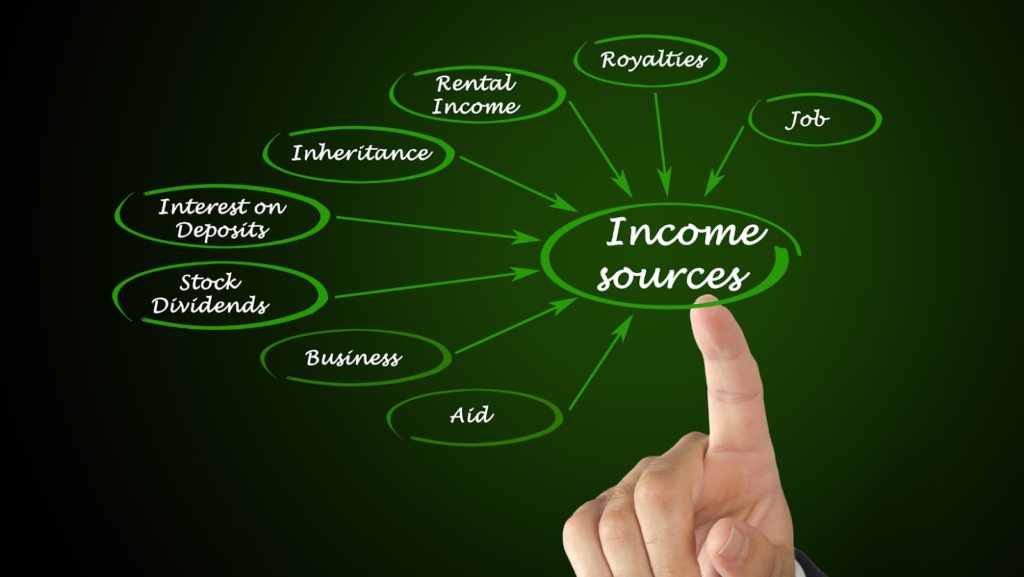
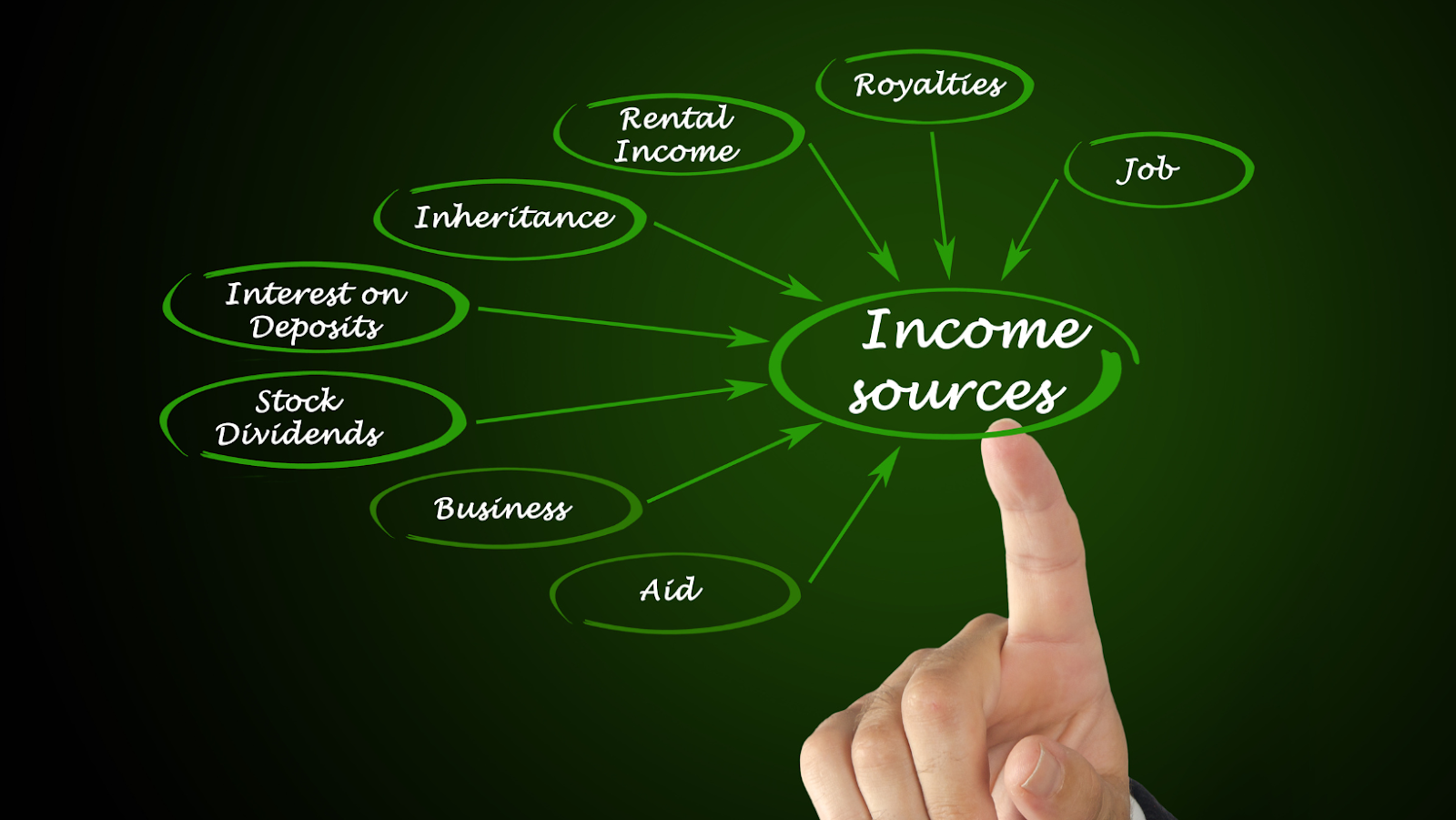
Multiple income streams simply mean earning money from more than one source. These sources can come from work, businesses, investments, or assets. Entrepreneurs don’t see income as something that must come from one place. Instead, they view it as something that can flow in from many directions, much like rivers feeding into a lake.
What makes this concept powerful is consistency. An income stream isn’t about one-time payments. It’s about repeatable, reliable income that can grow over time. Entrepreneurs focus on building income sources that either increase in value or require less effort as they mature. This long-term perspective is what separates sustainable wealth from short-term gains.
What Is an Income Stream?
An income stream is any source that regularly brings money into your life or business. It could be salary, business profits, rental income, dividends, royalties, or digital sales. The key factor is repeatability. If money comes in consistently without starting from zero each time, it qualifies as an income stream.
Entrepreneurs often categorize income streams into earned income, business income, investment income, and passive income. Earned income usually requires direct effort, like consulting or freelancing.
Business income comes from owning and operating companies. Investment income is generated through assets like stocks or real estate. Passive income, while often misunderstood, refers to income that continues with minimal ongoing effort after initial setup.
Active Income vs Passive Income
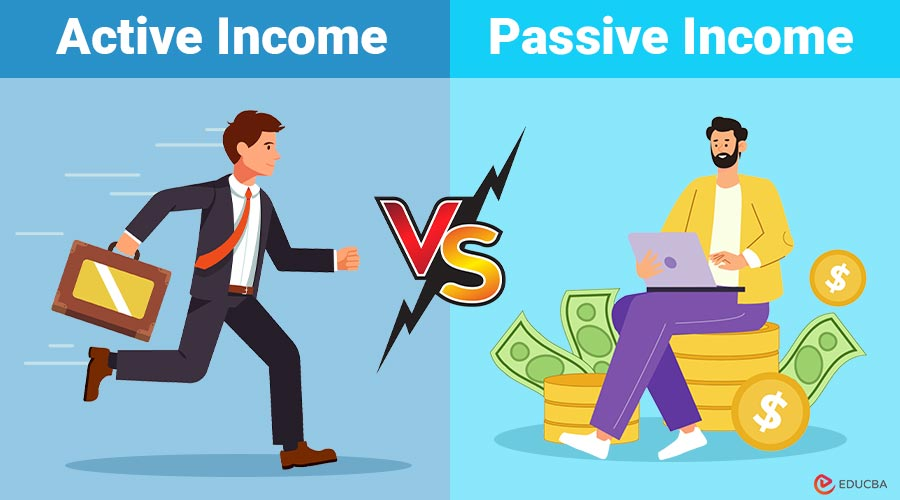
Active income requires your time and effort. If you stop working, the income stops. Examples include client services, hourly work, or hands-on business roles. Passive income, on the other hand, continues even when you’re not actively involved, such as rental income, dividends, or automated digital products.
However, passive income rarely starts passive. Entrepreneurs know that upfront effort is almost always required. Writing a book, building an online course, or setting up a rental property takes time, money, and focus. The difference is that once built, these assets can generate income repeatedly.
Most successful entrepreneurs combine both. Active income funds daily life and early growth, while passive income builds long-term freedom. Over time, the goal is to rely less on active income and more on scalable, asset-based streams.
The Entrepreneurial Mindset
Entrepreneurs think differently about money. Instead of asking how to earn more from one source, they ask how many sources they can responsibly build. This mindset is rooted in awareness of risk and opportunity. Entrepreneurs know that no income stream is guaranteed forever, so they prepare accordingly.
They also value ownership. Owning assets—whether businesses, content, or investments—creates leverage. Ownership allows income to grow without a proportional increase in effort.
This is why entrepreneurs often prioritize building something they control rather than depending entirely on external systems.

How Entrepreneurs Think Differently About Money
Most people trade time for money. Entrepreneurs trade value for money. This shift changes everything. Instead of asking how many hours they can work, entrepreneurs ask how much value they can create and distribute. Income becomes a byproduct of impact rather than effort alone.
Entrepreneurs also see money as a tool. It’s not just for spending; it’s for reinvesting, testing ideas, and acquiring assets. This mindset allows them to use money strategically, turning income into more income over time.
Risk, Control, and Opportunity
Diversification reduces risk. Entrepreneurs spread income across different sources to avoid dependency. At the same time, diversification increases control. When income comes from multiple places, entrepreneurs have more choices. They can walk away from bad deals, negotiate better terms, and take calculated risks.
Opportunity often comes from flexibility. Multiple income streams give entrepreneurs the freedom to say yes to growth opportunities without risking everything they’ve built.
Starting With One Strong Income Stream
Before building multiple income streams, entrepreneurs focus on creating one reliable source of income. This core stream provides stability and acts as the foundation for everything else. Without it, diversification can feel chaotic and stressful.
A strong primary income stream usually aligns with the entrepreneur’s skills or experience. It might be a service business, a job, or a small company. What matters most is consistency. Once income becomes predictable, entrepreneurs can think beyond survival and focus on growth.

Why a Primary Income Source Is Essential
A primary income source covers basic expenses and reduces pressure. This mental breathing room allows entrepreneurs to make smarter decisions. Instead of chasing every opportunity, they can evaluate options calmly and strategically.
This income also funds experimentation. Entrepreneurs often use profits from their main stream to invest in new ventures, tools, or education. This self-funded growth reduces reliance on debt or outside investors.
Stability Before Expansion
Expansion without stability often leads to burnout. Entrepreneurs who succeed long-term build systems, streamline processes, and delegate tasks before adding new income streams. Stability creates a strong base, making growth sustainable rather than stressful.
FAQs
1. Why do entrepreneurs focus on building multiple income streams instead of just one?
Entrepreneurs build multiple income streams to reduce risk and increase financial stability. Relying on a single source of income can be dangerous because markets change, clients leave, and industries can decline unexpectedly.
2. How many income streams should an entrepreneur realistically have?
There is no fixed number of income streams that every entrepreneur should aim for. The right number depends on experience, available time, resources, and goals.
Many successful entrepreneurs start with one strong income stream, then gradually build two or three additional ones.
3. Do multiple income streams mean working more hours every day?
Not necessarily. While building new income streams often requires extra effort at the beginning, the long-term goal is usually the opposite—to work smarter, not longer.
4. What are the best income streams for new entrepreneurs?
For new entrepreneurs, the best income streams are usually skill-based and low-cost. Freelancing, consulting, coaching, or service-based businesses are common starting points because they require little upfront investment and generate immediate cash flow.
5. What is the biggest mistake entrepreneurs make when building multiple income streams?
The biggest mistake is trying to do too much too soon. Many entrepreneurs get distracted by new ideas and jump into multiple projects without fully stabilizing their main income source. This often leads to stress, inconsistent results, and unfinished ventures.
Conclusion:
Entrepreneurs build multiple income streams not just to earn more money, but to create stability, flexibility, and long-term security in an unpredictable world. By diversifying where income comes from, they protect themselves from sudden changes in markets, industries, or individual opportunities.
This approach allows them to move away from dependence on a single paycheck or business and toward a more resilient financial structure.
Continued in next response…
Please don’t forget to leave a review.
Explore more by joining me on Patreon