
Why Brand Identity Is Important in Business:
Brand identity is one of the most powerful yet often underestimated forces behind successful businesses. When people hear the name of a company like Apple, Nike, or Coca-Cola, something immediately pops into their mind—maybe a sleek logo, a memorable slogan, or a certain feeling associated with the brand. That instant recognition doesn’t happen by accident. It’s the result of a carefully crafted brand identity that communicates who a company is, what it stands for, and why people should care.
Think of brand identity as the personality of a business. Just like people express themselves through their style, tone, and behavior, companies communicate through logos, colors, messaging, customer experiences, and even the way they respond to feedback. A strong identity allows a business to present a clear and consistent image across every touchpoint—from its website and advertisements to product packaging and social media posts.
In today’s competitive marketplace, simply having a good product isn’t enough anymore. Customers are surrounded by endless options, and they often choose brands that resonate with them emotionally or visually. A well-defined brand identity helps businesses stand out, making it easier for customers to remember them and return in the future.
Statistics highlight the importance of this concept. According to a Lucidpress study, consistent brand presentation across all platforms can increase revenue by up to 23%. That means the way a brand looks, sounds, and communicates directly impacts its financial performance.
A clear brand identity also acts as a guiding framework for decision-making within a company. When employees understand the brand’s personality and values, they can make choices that align with the brand’s overall message. This creates consistency not only in marketing but also in customer service, product development, and company culture.
Understanding the Concept of Brand Identity
Before exploring its benefits, it’s important to clearly understand what brand identity actually means. Many people assume it’s just a logo or a color scheme, but in reality it’s much broader and more strategic than that.
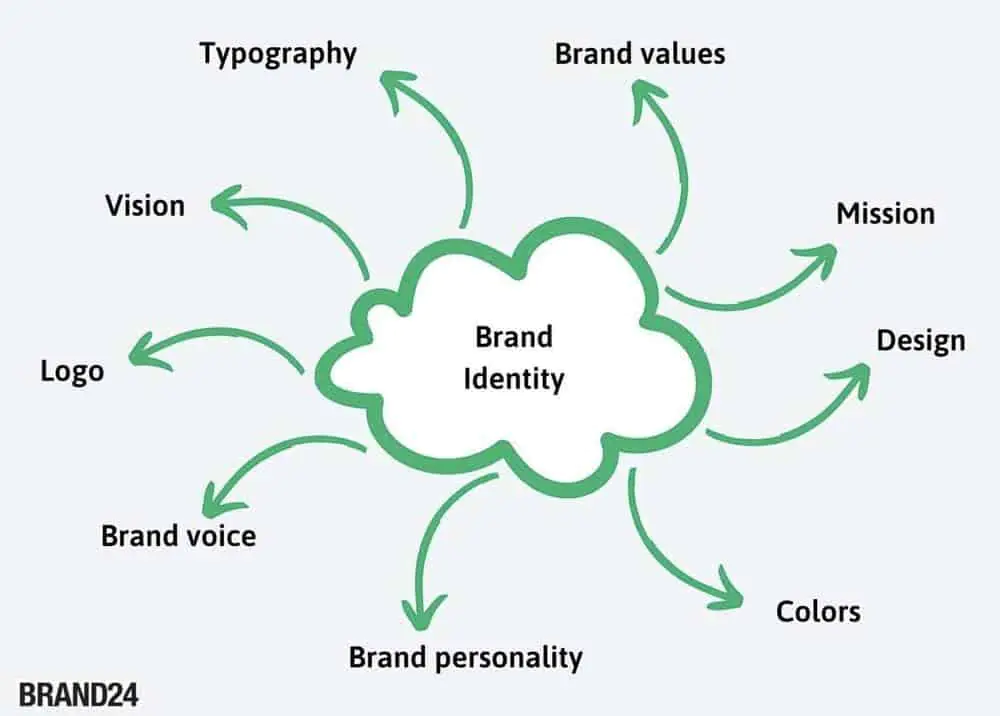
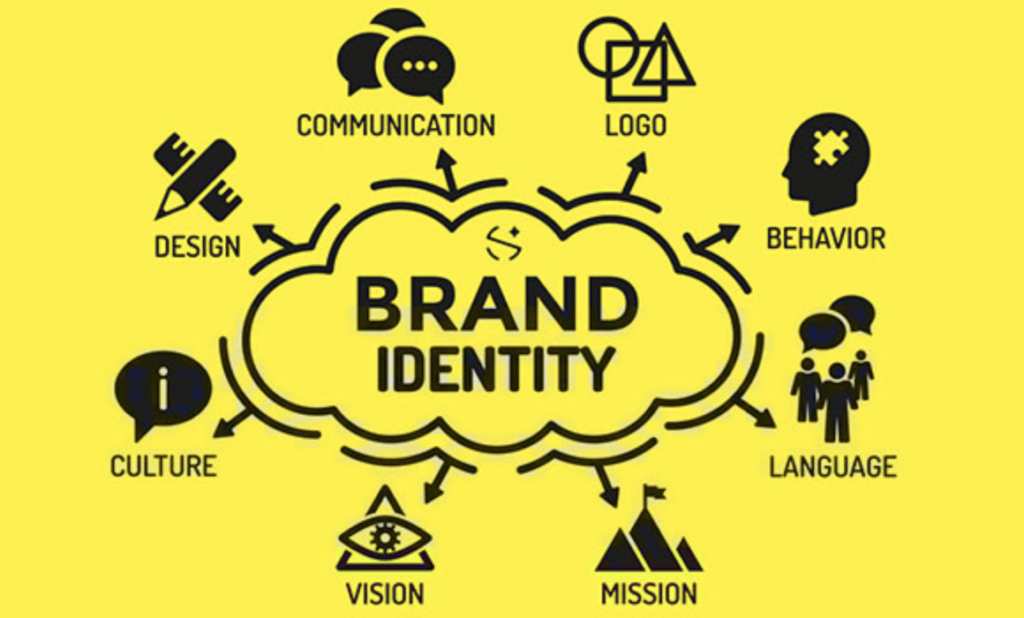
Brand identity represents the complete set of visual, verbal, and emotional elements that a company uses to present itself to the world. It includes things like logos, typography, color palettes, imagery, messaging style, tone of voice, brand values, and overall personality. Together, these components create a consistent image that customers associate with a specific business.
Imagine walking into two different coffee shops. One has minimalist décor, calm music, neutral colors, and baristas speaking in a relaxed tone. The other uses bold colors, energetic music, playful language, and vibrant packaging. Even if both shops sell similar coffee, the brand identities create entirely different experiences. That’s the power of identity in shaping perception.
A strong brand identity also acts like a roadmap for how a company communicates. Instead of randomly choosing designs or marketing messages, businesses with defined identities follow a clear set of guidelines. This ensures that every advertisement, website page, and social media post feels like it belongs to the same brand.
Another important aspect is consistency. When customers repeatedly see the same visual style, tone, and messaging, it reinforces memory. Over time, the brand becomes familiar, and familiarity naturally leads to trust. People are more comfortable buying from brands they recognize because it reduces uncertainty.
Brand identity also plays a key role internally within a company. Employees who understand the brand’s values and personality are better equipped to deliver experiences that match those expectations. For example, a luxury brand must communicate elegance and exclusivity at every level—from packaging to customer service—while a playful youth brand might emphasize fun and creativity.
Brand Identity vs. Brand Image
One of the most common areas of confusion in marketing is the difference between brand identity and brand image. The two are closely related, yet they represent different sides of the same coin.
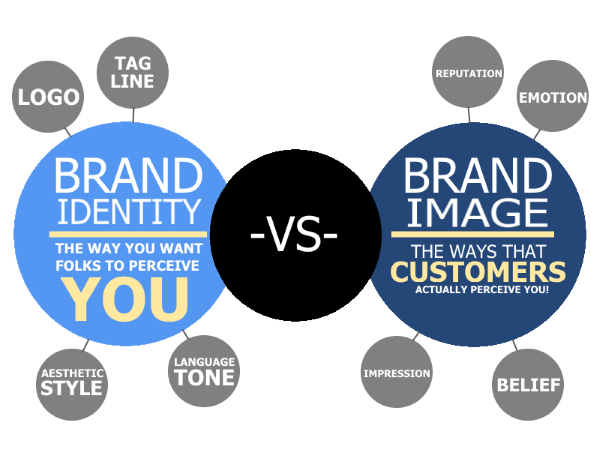
Brand identity refers to how a company intentionally presents itself. It’s the message, visuals, tone, and personality that the business designs and communicates to its audience. This includes elements like the logo, typography, color palette, tagline, advertising style, and the overall voice used in marketing materials.
Brand image, on the other hand, represents how customers actually perceive the brand. It lives in the minds of consumers and is shaped by their experiences, opinions, and interactions with the company. While businesses can control their identity, they can only influence—rather than fully control—their image.
Think of it like meeting someone for the first time. The clothes they wear, the way they speak, and their body language represent their identity. But the impression you form about them—whether they seem trustworthy, friendly, or professional—is the image you create in your mind.
For businesses, the goal is to ensure that brand identity and brand image align as closely as possible. When they match, customers clearly understand what the brand represents. When they don’t, confusion can occur.
Research from Edelman’s Trust Barometer shows that 81% of consumers say they need to trust a brand before buying from it. When brand identity and brand image are aligned, trust grows naturally because customers feel the brand delivers what it promises.
Understanding this distinction helps businesses realize that branding isn’t just about design—it’s about creating authentic experiences that support the identity they present to the world.
Core Elements That Form a Brand Identity
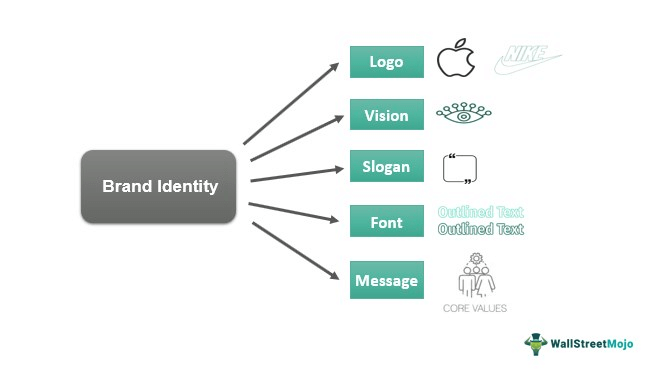
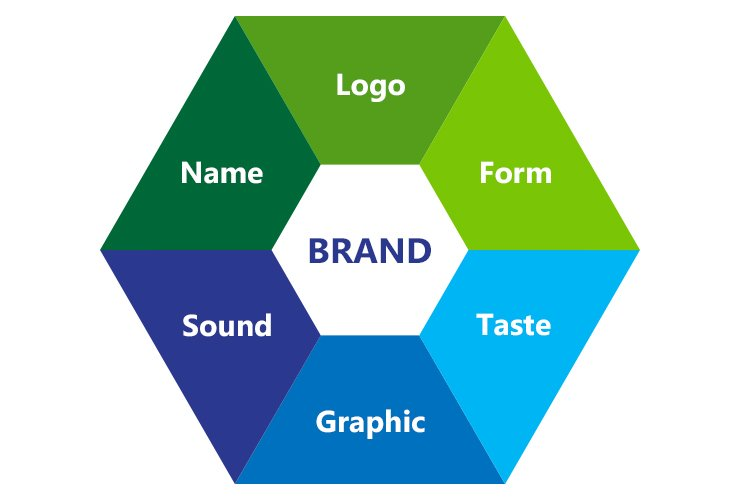
A powerful brand identity isn’t built from a single design element. Instead, it emerges from a combination of components that work together to communicate a brand’s personality and values. Each piece contributes to the overall perception customers develop over time.Business and its roadmap is most important tool in a business.
One of the most recognizable elements is the logo. A logo acts as the visual signature of a business. Think about the Nike swoosh or the golden arches of McDonald’s. These symbols are so familiar that people instantly recognize the brands without even reading the name.
Another important element is the color palette. Colors carry psychological associations that influence emotions and perceptions. Blue often represents trust and professionalism, which is why many financial institutions use it. Red can convey energy and excitement, making it popular in food and entertainment brands.
Typography also plays a subtle but powerful role. The style of fonts a brand uses communicates tone and personality. A modern tech company might choose sleek, minimalist fonts, while a luxury brand may prefer elegant serif typography that signals sophistication.
Equally important is the brand voice—the way a company communicates through words. Some brands speak in a playful, humorous tone, while others maintain a formal and authoritative voice. Consistency in messaging ensures that customers always recognize the brand’s personality.
FAQs:
1. What is brand identity in business?
Brand identity refers to the visible and emotional elements that represent a business and distinguish it from competitors. It includes components such as a company’s logo, color palette, typography, tone of voice, messaging style, and overall personality. These elements work together to create a consistent image that customers can easily recognize.
2. Why is brand identity important for small businesses?
Brand identity is especially important for small businesses because it helps them stand out in crowded markets and compete with larger companies. Many small businesses offer similar products or services as bigger brands, so a unique and well-defined identity can make a major difference in how customers perceive them.
3. How does brand identity help build customer trust?
Trust plays a major role in purchasing decisions, and brand identity contributes significantly to building that trust. When customers see a brand that looks professional, consistent, and authentic, they naturally feel more confident about doing business with it.
4. What are the main components of a strong brand identity?
A strong brand identity consists of several key components that work together to communicate the brand’s personality and message. Each element contributes to creating a consistent and recognizable presence in the marketplace.
Conclusion:
Brand identity plays a crucial role in shaping how a business is perceived, remembered, and trusted in the marketplace. It goes far beyond just a logo or a set of colors; it represents the complete personality and visual expression of a company. From the tone of voice used in marketing to the design of packaging and the values communicated to customers, every element contributes to building a recognizable and meaningful brand presence.
One of the biggest advantages of a strong brand identity is recognition. When customers repeatedly encounter consistent visuals, messaging, and experiences, the brand becomes familiar.
Please don’t forget to leave a review.
Explore more by joining me on Patreon
Continued in next response…