
Introduction:
Understanding the Modern Banking System
The modern banking system is one of the most influential institutions in the global economy. It quietly shapes how money moves, how businesses grow, and how individuals manage their financial lives. At its core, the banking system acts as the circulatory system of the economy, moving capital from savers to borrowers and ensuring that funds reach areas where they can generate productivity and growth. Without banks, economic activity would slow dramatically because businesses and consumers would struggle to access the funds they need for investment, consumption, or expansion.
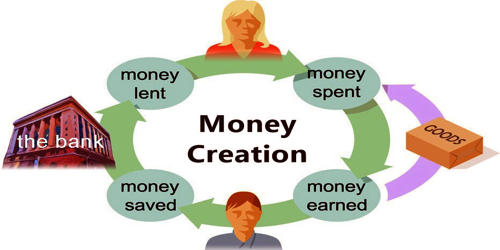
Banks perform several key roles that make them indispensable. They accept deposits, provide loans, facilitate payments, and help manage financial risks. When individuals deposit money into a bank, they often assume that the bank simply stores it safely until it is withdrawn. In reality, banks use a large portion of these deposits to lend money to businesses, homeowners, and entrepreneurs. This lending activity is where the concept of money creation begins to emerge, and it is far more fascinating than most people realize.
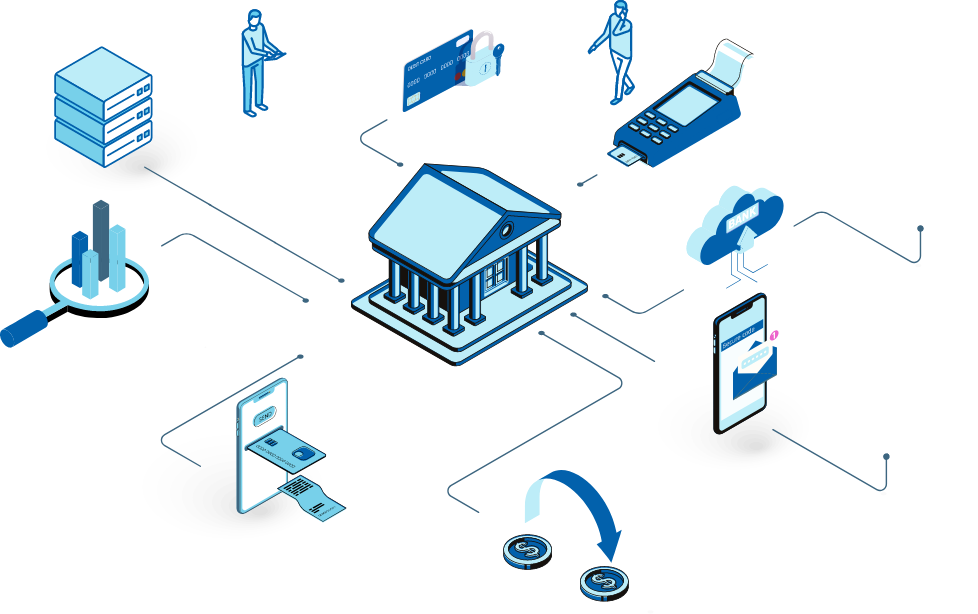
Modern banking systems operate within a structured framework that includes commercial banks, central banks, regulatory authorities, and financial institutions. Each of these players performs a specific function. Commercial banks deal directly with consumers and businesses, offering savings accounts, credit cards, and loans. Central banks, on the other hand, manage national monetary policy and control the supply of money within an economy.
Another important element of the modern banking system is trust. Money deposited in banks is largely digital, meaning it exists as numbers on a screen rather than physical cash. People trust banks and governments to maintain the value and accessibility of these funds. Without that trust, financial systems could quickly collapse, as history has occasionally demonstrated during banking crises.
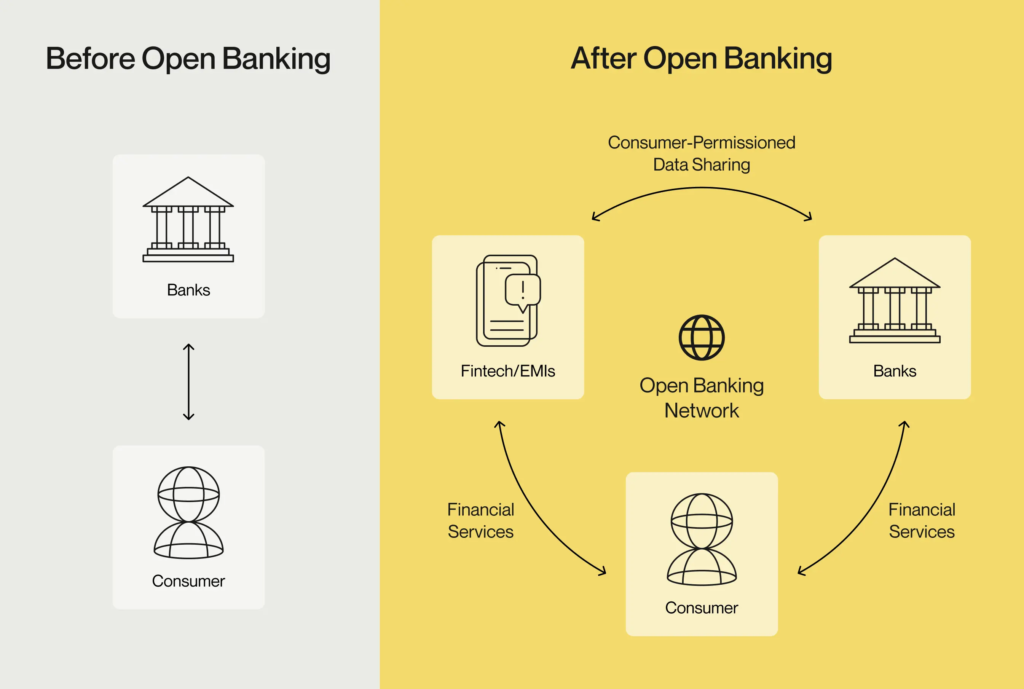
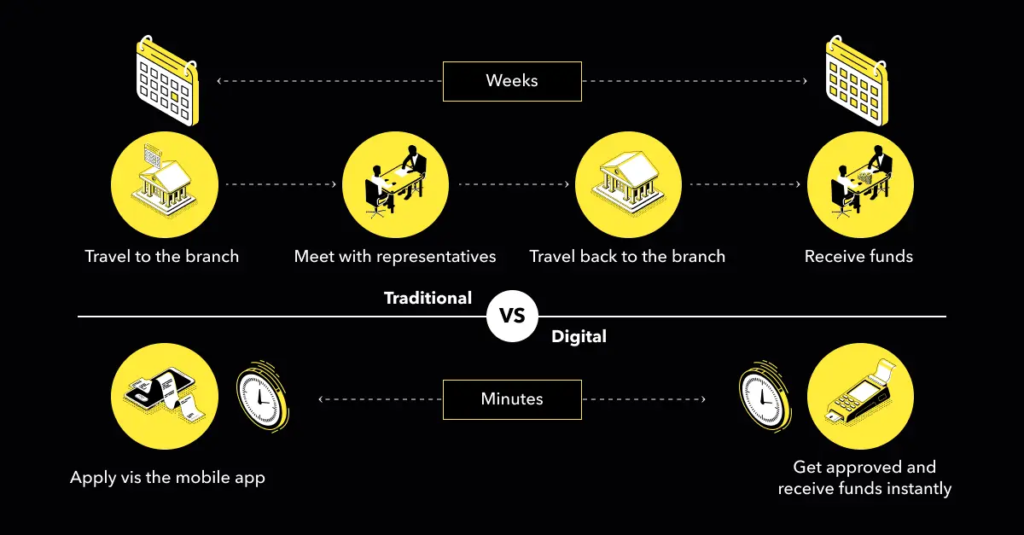
Technological innovation has also transformed banking. Mobile banking apps, instant transfers, and digital wallets have reshaped how people interact with financial institutions. What once required standing in long queues at a branch can now be done in seconds on a smartphone. Yet despite these technological changes, the underlying structure of banking—collecting deposits and issuing loans—remains the foundation of the system.
Understanding how this system works is essential because it explains how money is created, distributed, and controlled in modern economies. And surprisingly, much of the money circulating today did not originate from printing presses but from lending activities inside banks.
The Historical Evolution of Banking
The story of banking stretches back thousands of years, long before modern financial institutions existed. Early civilizations such as Mesopotamia, Egypt, Greece, and Rome all developed rudimentary financial systems that allowed people to store wealth, lend resources, and facilitate trade. Merchants needed safe places to store valuables and reliable methods to transfer funds across distances, and this necessity gave birth to the earliest forms of banking.
In ancient Mesopotamia, temples and palaces acted as financial centers. Farmers and traders would deposit grain, precious metals, or other valuables for safekeeping. These institutions would then lend those resources to others, often charging interest. While primitive by modern standards, these practices established the basic principles of deposit-taking and lending that still define banking today.
As trade expanded during the Middle Ages, banking began to evolve further. Italian cities like Florence, Venice, and Genoa became financial hubs where wealthy merchant families developed sophisticated banking practices. The Medici family, for instance, built one of the most influential banking networks in Europe during the 15th century. Their banks introduced innovations such as letters of credit, which allowed merchants to travel and trade without carrying large quantities of gold.
The rise of international trade during the Renaissance accelerated financial development. Banks started keeping detailed ledgers and introduced early forms of double-entry bookkeeping, which greatly improved financial accountability. These innovations allowed banks to manage larger volumes of transactions and laid the groundwork for modern accounting systems.
History Of Banking System
By the 17th and 18th centuries, the emergence of central banks marked a significant turning point. Institutions like the Bank of England (founded in 1694) began to play a crucial role in managing national economies and stabilizing currencies. Governments increasingly relied on these institutions to finance public spending and regulate financial systems.
Industrialization further transformed banking. As factories, railways, and large corporations emerged, the demand for capital surged. Banks responded by expanding lending activities and creating new financial instruments. This period also saw the development of commercial banking as we know it today.
The evolution of banking reflects humanity’s ongoing effort to manage wealth, reduce financial risk, and facilitate economic growth. From ancient temples storing grain to global digital networks transferring billions of dollars per second, banking has continuously adapted to meet the needs of evolving economies.
From Goldsmiths to Digital Banks
One of the most fascinating chapters in banking history involves goldsmiths, whose business unintentionally led to one of the most important financial discoveries: the creation of money through lending. During the 17th century, goldsmiths were trusted craftsmen who possessed secure vaults for storing precious metals. People began depositing their gold with goldsmiths for safekeeping and received written receipts representing the amount deposited.
Over time, these receipts started circulating as a convenient alternative to carrying heavy gold coins. Merchants realized that instead of withdrawing gold, they could simply exchange these paper receipts during transactions. In effect, the receipts began functioning as early forms of paper money.
Goldsmiths soon noticed something interesting: depositors rarely withdrew all their gold at the same time. Most of the gold remained safely stored in the vaults. Recognizing this pattern, goldsmiths started lending some of the stored gold to borrowers while still keeping enough reserves to satisfy withdrawals. This practice marked the beginning of fractional reserve banking, a system still used by modern banks.
Fractional reserve banking allows financial institutions to hold only a portion of deposits as reserves while lending out the rest. When a bank issues a loan, the borrowed funds typically end up deposited in another bank account, effectively increasing the total amount of money circulating in the economy. This process is how banks create money through credit.
Fast forward to the 21st century, and the banking landscape looks dramatically different. Physical vaults and handwritten receipts have been replaced by digital databases, electronic transfers, and global payment networks. Banks now operate in an environment where trillions of dollars move across international markets every day.
Banking System and Its Role in Business
The banking system is one of the most important foundations of any modern economy. It serves as the central mechanism through which money flows between individuals, businesses, and governments. Without banks, the movement of capital would become slow, inefficient, and risky, making it extremely difficult for businesses to operate effectively. From providing safe places to store money to offering loans that fuel expansion, banks play a vital role in supporting economic activity and business development.
At its simplest level, the banking system consists of institutions that accept deposits and provide loans. However, the system is much more complex than that. Banks also facilitate payments, manage financial risk, enable international trade, and help allocate resources to productive sectors of the economy.
Why Banking Is Essential for Economic Activity
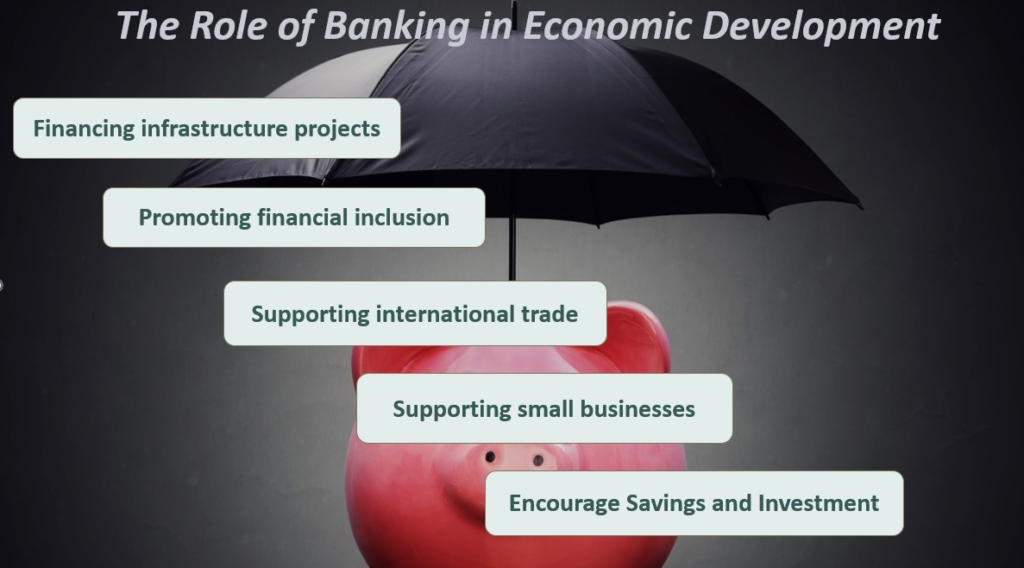
Economic activity depends heavily on the availability of financial resources, and the banking system plays a central role in ensuring that these resources circulate smoothly. Imagine an economy without banks: individuals would store cash at home, businesses would struggle to obtain funding, and large-scale investments would be extremely difficult to organize. The presence of banks solves these challenges by creating a structured financial environment.
FAQs:
1. What is the banking system?
The banking system refers to the network of financial institutions that provide services such as accepting deposits, giving loans, transferring money, and supporting financial transactions in an economy. It includes central banks, commercial banks, cooperative banks, and other financial institutions that work together to manage money and credit within a country.
2. What does “creation of money” mean in banking?
The creation of money refers to the process by which banks increase the total amount of money available in the economy. Many people believe that only governments or central banks create money by printing currency. While central banks do produce physical cash, most of the money in modern economies is actually created by commercial banks through lending.
3. What is fractional reserve banking?
Fractional reserve banking is the system used by most modern banks to manage deposits and loans. Under this system, banks are required to keep only a fraction of their deposits as reserves, while the rest can be used for lending or investment.
5. Why is money creation important for the economy?
Money creation is essential because it provides the liquidity and credit needed for economic growth. Businesses rely on loans to invest in equipment, expand operations, hire employees, and develop new products. Without the ability to create money through lending, economic expansion would be much slower.
Conclusion:
The banking system plays a central role in the functioning and growth of any modern economy. It acts as the financial foundation that connects individuals, businesses, and governments by enabling the safe storage, transfer, and lending of money. Through a structured network that includes central banks, commercial banks, and other financial institutions, the banking system ensures that financial resources move efficiently throughout the economy. This movement of capital allows businesses to invest, expand operations, create jobs, and contribute to overall economic development.
One of the most significant aspects of the banking system is its ability to create money through lending. While many people believe that money is created only by governments printing currency, the reality is that a large portion of money in circulation is generated when commercial banks provide loans.
Please don’t forget to leave a review.
Explore more by joining me on Patreon
Continued in next response…